





Northern Lapwing
Vanellus vanellus
The Northern Lapwing is a beautiful bird with a striking black and white body and a long crest on its head. It loves to be near fields and wetlands, where it can find tasty insects and worms to eat.
Habitat: Wetlands
The Northern Lapwing has glossy dark green-black upperparts that shimmer with purple and bronze, and a striking white face with a black gorget. It boasts a long, thin crest and broad, rounded wings, making its flight distinctive.
Category
BirdsRarity
Common
Danger
1/5 · Very low
Snaps
1
Its nickname, 'Peewit,' comes from the unique sound of its calls!
Lapwings often nest on the ground in open fields, keeping their babies safe.
Male lapwings perform amazing 'butterfly dances' in the air to impress females!
The Northern Lapwing's eggs are camouflaged, blending in perfectly with the soil!
Northern Lapwing can perform amazing aerial displays and tumbles during courtship or to defend territory.
Northern Lapwing can feign injury, flapping wings and dragging a leg, to distract predators from its nest or chicks.
Northern Lapwing has a long, wispy crest that helps them signal mood or readiness during breeding season.
These birds love munching on worms and bugs they find by probing in the soil!
Age differences: Juveniles start with smaller invertebrates, gradually eating the same as adults.
Lumbricus terrestris
Digs for these in soft soil.

Carabus nemoralis
Forages for these insects on farmland.
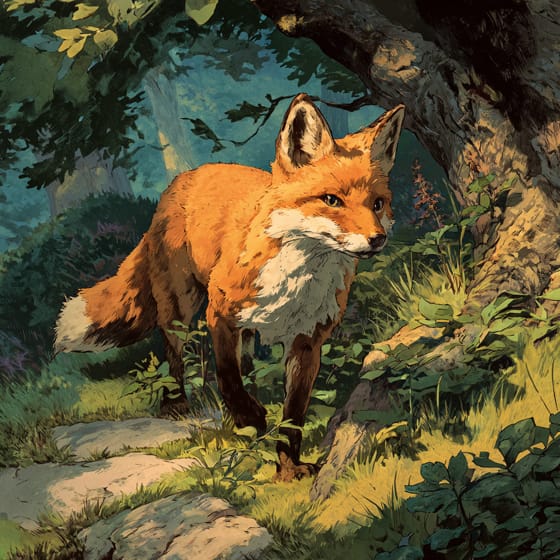
Vulpes vulpes
Foxes frequently predate on nests and young.
Mustela nivalis
Preys on eggs and small chicks.
Feathered describes animals, primarily birds, possessing a covering of feathers.
Crested describes animals possessing a prominent tuft of feathers, hair, or skin on their head.
Social animals live in organized groups, cooperating for survival benefits such as foraging, defense, and raising offspring.
This trait identifies organisms whose diet primarily consists of insects and other small invertebrates.

This habitat trait identifies species found in wetlands, which are areas of land saturated with water, either permanently or seasonally, including marshes, swamps, and bogs.

Diurnal animals are primarily active during daylight hours, typically resting or sleeping at night.

Describes a species whose presence and role have a disproportionately large effect on its environment.

This trait identifies organisms that exhibit exceptional swiftness in movement for hunting, escape, or travel.

Migratory animals undertake seasonal movements from one region to another, typically in response to changes in climate or food availability.
Danger
1/5 · Very low
If you see a bird's nest, be sure to look but don't touch it. The birds need their homes to stay safe.
The easiest way to identify Northern Lapwing is to use the Snappit nature identifier app.
28-31 cm
67-72 cm
0.128-0.33 kg
3-10 years
60 km/h
These birds love munching on worms and bugs they find by probing in the soil!
Wetlands
Zoom in to split clusters and explore where this object has been snapped.
Take the discovery with you
Snap it with Snappit to identify it, learn what makes it special, and add the discovery to your collection.




.jpg)
.jpg&width=800)








