





Northern Red-bellied Cooter
Pseudemys rubriventris
The Northern Red-bellied Cooter is a friendly turtle with a bright red belly! They love to swim and bask in the sun on logs or rocks. These turtles are great at hiding in the water when they feel scared.
Habitat: Wetlands
The Northern Red-bellied Cooter has a dark, domed carapace often with faint reddish markings and a distinctive bright reddish-orange to pink plastron (belly). Yellow stripes adorn its head and neck, making it stand out from other freshwater turtles.
Category
ReptilesRarity
Common
Danger
1/5 · Very low
Snaps
12
Adults are mostly vegetarian, munching on tasty aquatic plants and algae.
Baby cooters determine their sex by nest temperature: warm for girls, cool for boys!
Their red belly might warn predators or blend with colorful underwater plants!
They spend hours basking on logs, soaking up sunshine like tiny solar panels!
Northern Red-bellied Cooters can warm up their bodies by basking in the sun, which helps them digest food and stay active.
Northern Red-bellied Cooters can retract their head and limbs into their sturdy, dome-shaped shell, protecting them from predators.
Northern Red-bellied Cooters can hold their breath for extended periods underwater, allowing them to search for food and hide from danger.
Northern Red-bellied Cooters have taste buds on their tongue and in their throat, helping them decide if food is yummy or not.
Young cooters eat insects, but adults prefer a plant-based diet of aquatic vegetation and algae.
Age differences: Young turtles are more carnivorous, feeding on insects and small aquatic animals, while adults become mostly herbivorous.

Procyon lotor
Hunts cooter eggs and hatchlings
Chelydra serpentina
Can prey on juvenile cooters
Elodea canadensis
A primary food source for adults

Ardea alba
Preys on young turtles
Social animals live in organized groups, cooperating for survival benefits such as foraging, defense, and raising offspring.
Camouflaged describes organisms that possess coloring or patterns that allow them to blend into their environment.
Colorful describes organisms or objects displaying a wide range of bright and distinct colors.
Filter feeders obtain nutrients by straining suspended food particles and small organisms from water.

This trait characterizes organisms whose diet consists entirely or primarily of plant material.

This trait characterizes organisms with an exceptionally long lifespan compared to others of their kind.

This habitat trait identifies species found in wetlands, which are areas of land saturated with water, either permanently or seasonally, including marshes, swamps, and bogs.

Diurnal animals are primarily active during daylight hours, typically resting or sleeping at night.

Describes a species whose presence and role have a disproportionately large effect on its environment.

Aquatic habitats encompass environments where organisms live predominantly in water, including oceans, rivers, lakes, and wetlands.
Danger
1/5 · Very low
Always watch turtles from a distance and never try to pick them up without help from an adult.
The easiest way to identify Northern Red-bellied Cooter is to use the Snappit nature identifier app.
25-40 cm
1.5-5 kg
20-40 years
Young cooters eat insects, but adults prefer a plant-based diet of aquatic vegetation and algae.
3 km/h
Wetlands
Foraging
Zoom in to split clusters and explore where this object has been snapped.
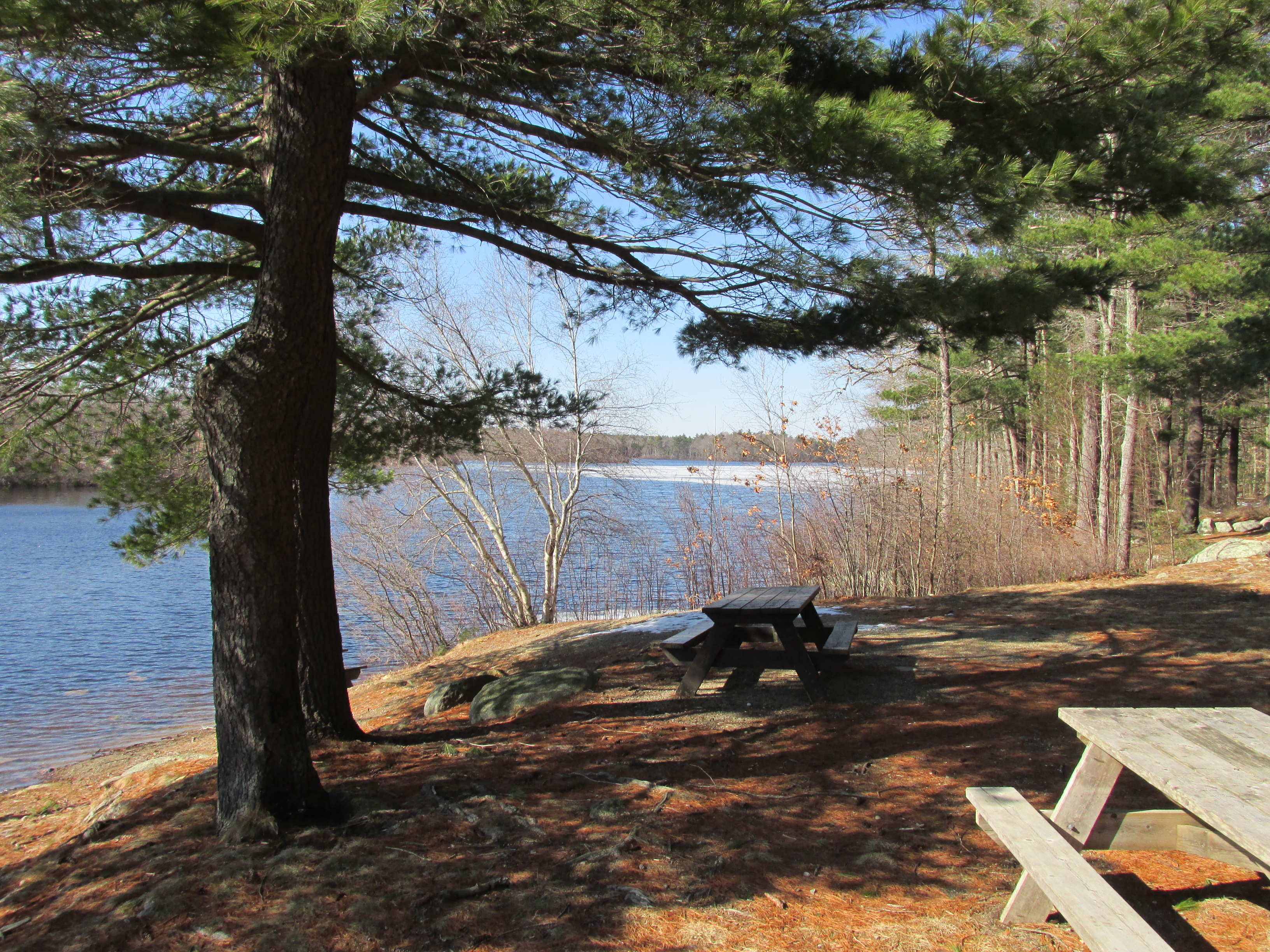
Massachusetts, US
You might spot Eastern White Pine and Common Eastern Bumble Bee.
View guide →
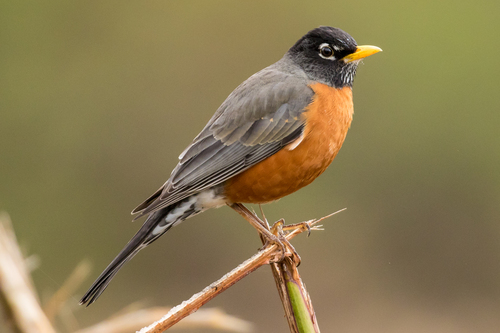
New Jersey, US
You might spot American Robin, Spotted Lanternfly, and Monarch.
View guide →
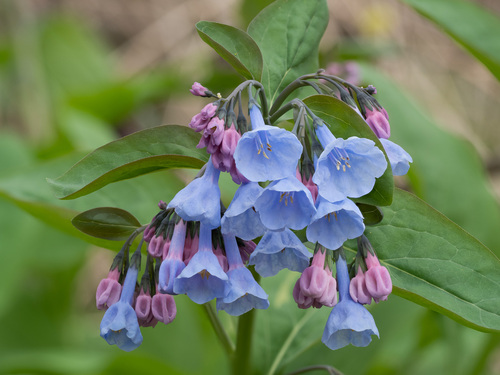
Virginia, US
You might spot Virginia Bluebells and Virginia Springbeauty.
View guide →

New Jersey, US
You might spot Monarch, Great Blue Heron, and American Robin.
View guide →

Virginia, US
You might spot Eastern Tiger Swallowtail, Fowler's Toad, and Monarch.
View guide →
Virginia, US
You might spot American Robin, Red Fox, and Northern Cardinal.
View guide →
Take the discovery with you
Snap it with Snappit to identify it, learn what makes it special, and add the discovery to your collection.












