Ornate Tree Lizard
Urosaurus ornatus
The Ornate Tree Lizard is a colorful little lizard that loves to climb trees and bask in the sun. With its bright patterns, it can blend in with the leaves, making it a fun creature to spot!
Habitat: Woodlands
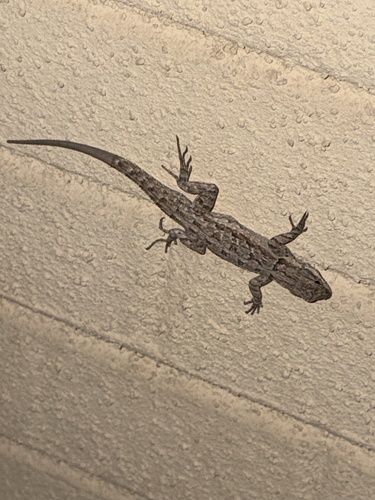
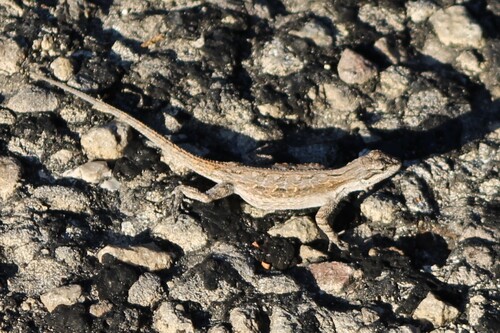
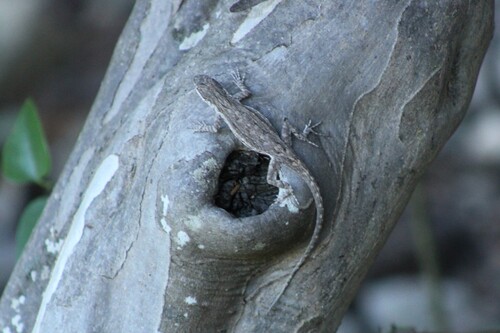
The Ornate Tree Lizard is a small, slender reptile recognized by its intricate patterns of brown, gray, and black scales. Males often display iridescent blue-green patches on their sides and throat, making them stand out. They possess keeled scales, giving them a slightly rough texture, and a long, slender tail.
Category
ReptilesRarity
Common
Danger
1/5 · Very low
Snaps
17
An Ornate Tree Lizard can shed its skin in one piece, like peeling off a sock!
Males have bright blue or green throat patches that they flash to attract mates.
These lizards do 'push-ups' and head bobs to communicate with each other!
They sleep in tree crevices or under bark to stay safe from predators at night.
Ornate Tree Lizard can change its skin color to blend seamlessly with tree bark or rocks, helping it hide from both predators and prey.
Ornate Tree Lizard has specialized toe pads and sharp claws that help it grip rough surfaces and rapidly climb trees and rocks.
Ornate Tree Lizard can detach its tail when caught, which wriggles to distract a predator while the lizard makes a quick escape.
Tiny terrors, they gobble up insects and spiders with super-fast strikes!
Masticophis flagellum
A speedy snake that hunts lizards among rocks and shrubs.
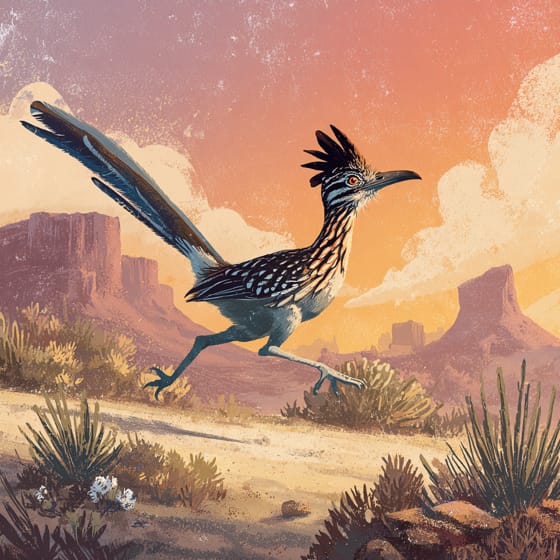
Geococcyx californianus
This fast bird snatches lizards from the ground and low branches.

Pogonomyrmex californicus
A common ant species that forms a significant part of the lizard's diet.
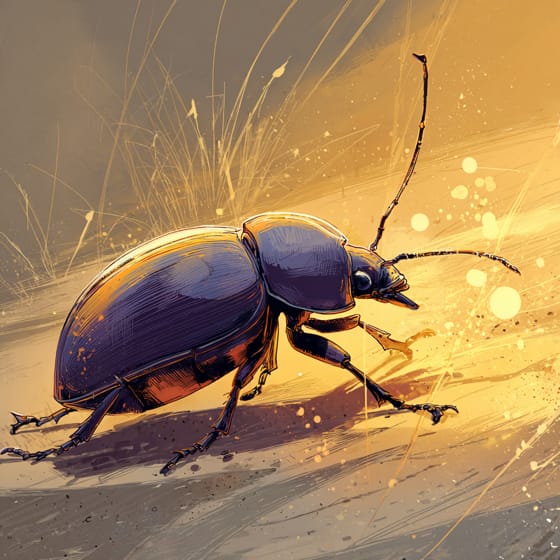
Eleodes obscura
These slow-moving beetles are easy prey for the agile lizard.
Solitary animals live alone for most of their lives, only interacting with others for mating or parental care.
Arboreal animals live primarily in trees, utilizing them for shelter, food, and protection from predators.
Camouflaged describes organisms that possess coloring or patterns that allow them to blend into their environment.
Colorful describes organisms or objects displaying a wide range of bright and distinct colors.

This trait identifies organisms whose diet primarily consists of insects and other small invertebrates.

Forest habitats are terrestrial environments dominated by dense tree cover, supporting a high diversity of plant and animal life.

Diurnal animals are primarily active during daylight hours, typically resting or sleeping at night.

This trait identifies organisms that exhibit exceptional swiftness in movement for hunting, escape, or travel.
No aliases listed yet.
Danger
1/5 · Very low
Always watch lizards from a distance and don't try to catch them. They are best left in nature!
The easiest way to identify Ornate Tree Lizard is to use the Snappit nature identifier app.
3-18 cm
0.002-0.01 kg
2-5 years
15 km/h
Tiny terrors, they gobble up insects and spiders with super-fast strikes!
Woodlands
Ambush
Zoom in to split clusters and explore where this object has been snapped.
Jun 7, 2026
Phoenix Indian SchoolPhoto attribution
(c) Ian McFaul, some rights reserved (CC BY)
License: CC BY 4.0 ↗
Image may be shown cropped inside the card frame.
May 29, 2026
Lost Maples State Natural AreaPhoto attribution
(c) Matt D'Agrosa, some rights reserved (CC BY)
License: CC BY 4.0 ↗
Image may be shown cropped inside the card frame.
May 28, 2026
Lost Maples State Natural AreaPhoto attribution
(c) Matt D'Agrosa, some rights reserved (CC BY)
License: CC BY 4.0 ↗
Image may be shown cropped inside the card frame.

Texas, US
You might spot Texas Hedgehog Cactus, Ornate Tree Lizard, and Cactus Wren.
View guide →

Arizona, US
You might spot Great-Tailed Grackle, Stinknet, and Northern Mockingbird.
View guide →

Nevada, US
You might spot Barbary Macaque, Chimpanzee, and African Lion.
View guide →
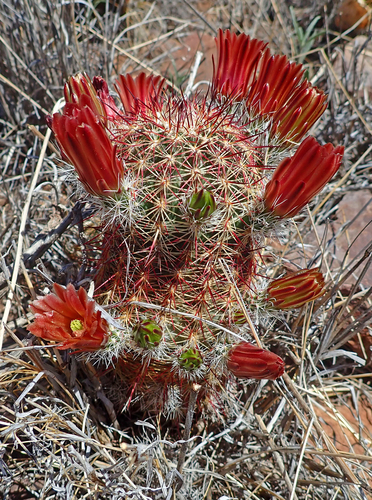
Texas, US
You might spot Texas Hedgehog Cactus, Cactus Wren, and Ornate Tree Lizard.
View guide →

Arizona, US
You might spot Elk, Rock Squirrel, and Common Raven.
View guide →
New Mexico, US
You might spot Pyrrhuloxia, Curve-Billed Thrasher, and Great Blue Heron.
View guide →
Take the discovery with you
Snap it with Snappit to identify it, learn what makes it special, and add the discovery to your collection.