





Northern White-breasted Hedgehog
Erinaceus roumanicus
The Northern White-breasted Hedgehog is a small, spiky mammal that loves to roam around at night. With its cute little face and round body, it can curl up into a ball when scared!
Habitat: Grasslands
The Northern White-breasted Hedgehog has a body covered in sharp spines, typically dark brown with white tips. It gets its name from the distinctive white patch on its chest and belly. Its face is usually paler than its European relatives, with small ears and a pointy snout.
Category
MammalsRarity
Common
Danger
1/5 · Very low
Snaps
Be the first to snap!
A hedgehog's amazing sense of smell helps it find juicy worms and insects.
Hoglets are born blind and pink, with soft, white spines underneath their skin!
They make tiny snorts, grunts, and even squeaks, sounding like little pigs.
They perform a weird "self-anointing" ritual, spreading foamy saliva over their spines!
Northern White-breasted Hedgehogs can roll into a tight ball; strong muscles pull spines outwards, creating a prickly defense.
Northern White-breasted Hedgehogs can sleep through winter, slowing heart rate and breathing to save energy when food is scarce.
Northern White-breasted Hedgehogs have venom resistance due to special blood proteins, helping them hunt small snakes and insects.
These spiny foragers munch on insects, worms, and snails, helping control garden pests.
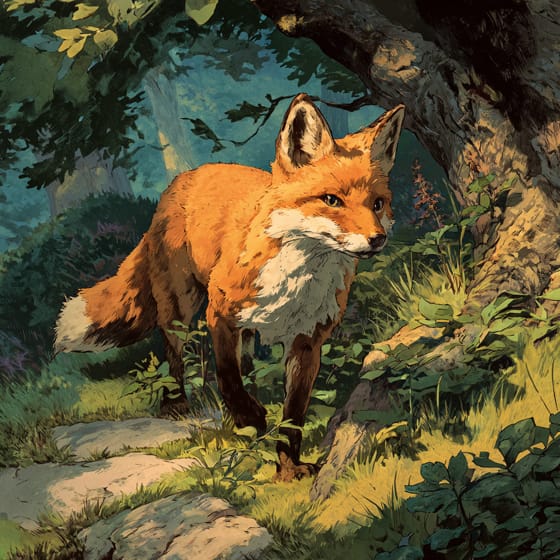
Vulpes vulpes
main predator in many habitats.
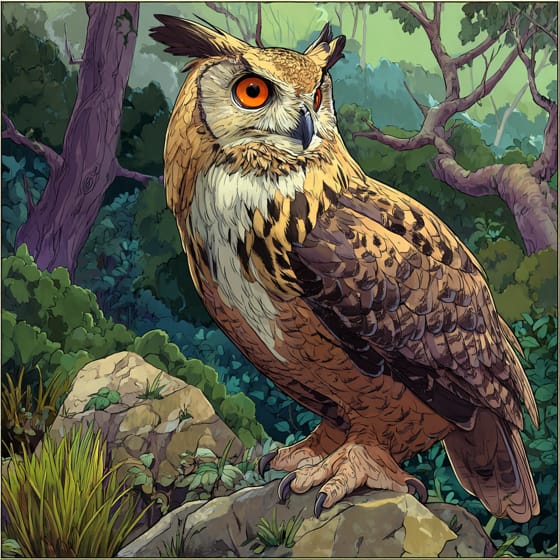
Bubo bubo
large bird of prey that hunts them.
Lumbricus terrestris
a favorite protein-rich meal.
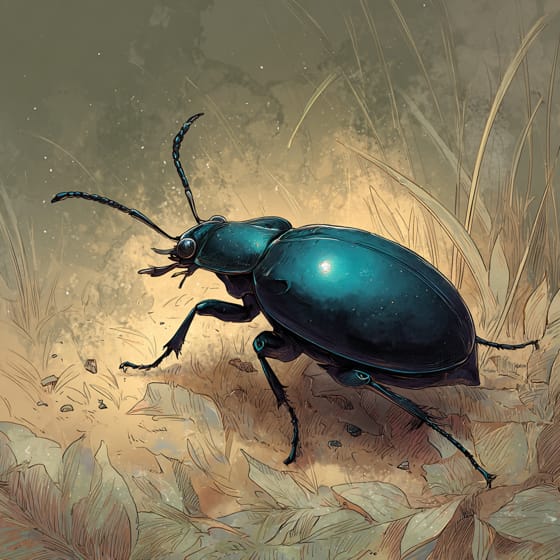
Carabus nemoralis
a common insect prey.
Solitary animals live alone for most of their lives, only interacting with others for mating or parental care.
Grassland habitats are terrestrial biomes dominated by grasses and herbaceous plants, supporting a variety of grazing animals.
This trait identifies organisms whose diet primarily consists of insects and other small invertebrates.
Describes organisms that break down dead organic material, recycling nutrients back into the ecosystem.

Possessing sharp, pointed projections or spines on the body or surface.

Nocturnal animals are primarily active during the nighttime hours, typically resting or sleeping during the day.
No aliases listed yet.
Danger
1/5 · Very low
If you see a hedgehog, watch it from a distance and do not touch it, as they can be scared easily.
The easiest way to identify Northern White-breasted Hedgehog is to use the Snappit nature identifier app.
20-30 cm
0.4-1.2 kg
2-6 years
10 km/h
These spiny foragers munch on insects, worms, and snails, helping control garden pests.
Grasslands
Foraging
Zoom in to split clusters and explore where this object has been snapped.
Recent snaps will appear here as new observations are added.
Take the discovery with you
Snap it with Snappit to identify it, learn what makes it special, and add the discovery to your collection.




.jpg&width=800)




.JPG&width=800)


.jpg&width=800)
