.jpg&width=800)





Nubian ibex
Capra nubiana
The Nubian ibex is a strong and agile goat that lives in rocky mountains. With its long curved horns and sandy-colored coat, it is well adapted to the desert environment.
Habitat: Mountain regions
The Nubian ibex is a medium-sized wild goat with a sandy to yellowish-brown coat and a paler belly. Males have magnificent, long, ridged horns that curve backward, while females have shorter, thinner horns. Darker markings can be seen on their legs and a distinct dark stripe runs down their back.
Category
MammalsRarity
Rare
Danger
2/5 · Low
Snaps
Be the first to snap!
Even their babies, called kids, can climb tricky rocks just hours after birth!
Ibex have a special four-chamber stomach to digest tough desert plants easily.
Male ibex horns can have over 30 ridges, each possibly indicating a year of growth!
They communicate using loud snorts and alarm calls when danger is spotted.
Nubian ibex have hooves with soft inner pads and sharp outer rims that give them incredible grip on steep, rocky slopes.
Nubian ibex can survive for extended periods without drinking because they get vital moisture from the plants they eat.
Nubian ibex possess excellent binocular vision and keen hearing to detect predators from a great distance in open terrain.
These hardy goats munch on a variety of plants, finding food even in dry, rocky places.
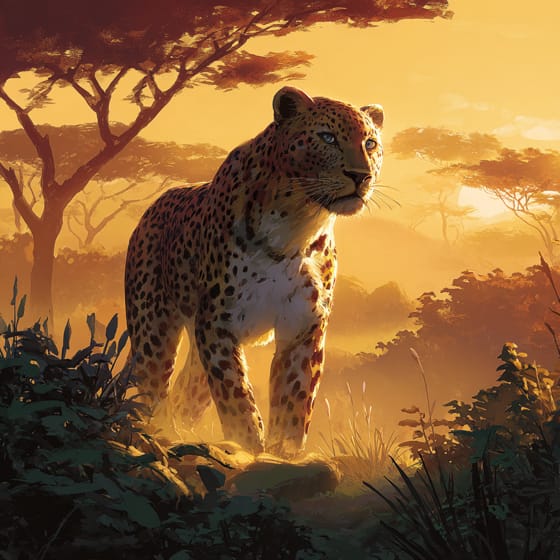
Panthera pardus
A top predator in their rocky mountain habitat.
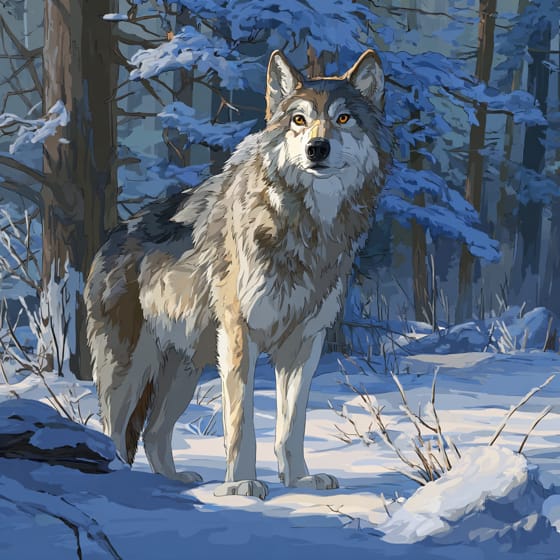
Canis lupus
May hunt young or weaker ibex in some areas.
Acacia tortilis
Browses its leaves and pods for food and moisture.
Atriplex halimus
A resilient desert shrub providing essential nutrients.
Furry describes animals possessing a dense covering of soft hair or fur.
Solitary animals live alone for most of their lives, only interacting with others for mating or parental care.
Characterized by having one or more hard, permanent, pointed projections on the head.
This trait characterizes organisms whose diet consists entirely or primarily of plant material.

Desert habitats are arid regions characterized by extremely low precipitation and often extreme temperatures, supporting specialized flora and fauna.

This habitat trait identifies species found in mountainous regions, characterized by high elevation, steep slopes, and varying climate zones.

Diurnal animals are primarily active during daylight hours, typically resting or sleeping at night.

Describes a species whose presence and role have a disproportionately large effect on its environment.

This trait identifies organisms that exhibit exceptional swiftness in movement for hunting, escape, or travel.

Endangered status indicates a species is at a very high risk of extinction in the wild in the near future.
No aliases listed yet.
Danger
2/5 · Low
Always watch from a distance and do not disturb wild animals.
The easiest way to identify Nubian ibex is to use the Snappit nature identifier app.
105-125 cm
26-70 kg
10-17 years
50 km/h
These hardy goats munch on a variety of plants, finding food even in dry, rocky places.
Mountain regions
Foraging
Zoom in to split clusters and explore where this object has been snapped.
Recent snaps will appear here as new observations are added.
Take the discovery with you
Snap it with Snappit to identify it, learn what makes it special, and add the discovery to your collection.





.jpg&width=800)



.JPG&width=800)


.jpg&width=800)
