





Oblique-lined Tiger Beetle
Cicindela tranquebarica
The Oblique-lined Tiger Beetle is a colorful insect with shiny, greenish bodies and striking white lines. They are fast runners and love to chase after their food, which includes small insects.
Habitat: Sandy areas
The Oblique-lined Tiger Beetle has an iridescent metallic body, often coppery, green, or bronzed. It features distinctive pale, slanted (oblique) lines on each dark wing cover, making it easy to identify from other ground beetles.
Category
InsectsRarity
Common
Danger
1/5 · Very low
Snaps
3
Its eyes are massive, helping it spot tiny prey from a distance.
Its larvae live in burrows, surprising prey that walks past!
Some tiger beetles hold the record for the fastest insect runners on Earth!
When it runs, it moves so fast it can temporarily "outrun" its own vision!
Oblique-lined Tiger Beetle can run at incredible speeds because of its long, powerful legs that help them chase prey.
Oblique-lined Tiger Beetle has shimmering colors that help them blend perfectly into sandy habitats, avoiding detection by predators.
Oblique-lined Tiger Beetle can quickly snatch prey because of its razor-sharp mandibles and rapid reflexes.
This speedy beetle hunts small insects and spiders, making it a tiny but mighty predator!
Age differences: Larvae are also predatory, ambushing prey from burrows in the soil.
Formica fusca
A common ant often captured by adult beetles.
Musca domestica
A readily available food source for speedy adults.
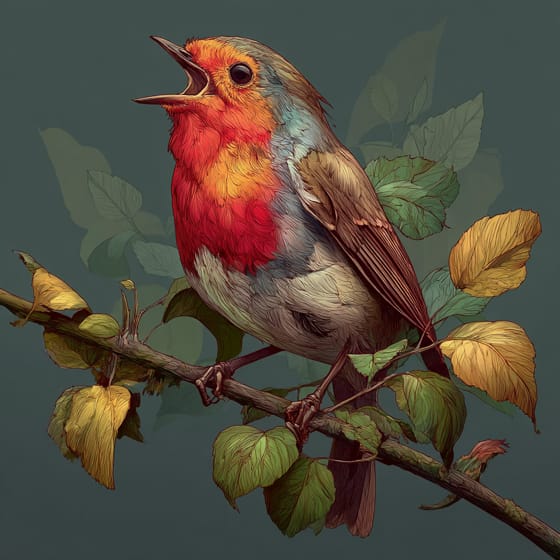
Turdus migratorius
A common bird predator of ground-dwelling insects.
Lithobates pipiens
Can snatch adult beetles from the ground.
Marked with parallel bands or lines of color.
Colorful describes organisms or objects displaying a wide range of bright and distinct colors.
This trait identifies organisms whose diet primarily consists of insects and other small invertebrates.
This trait identifies organisms whose diet consists entirely or primarily of animal tissue.

Diurnal animals are primarily active during daylight hours, typically resting or sleeping at night.

This trait identifies organisms that exhibit exceptional swiftness in movement for hunting, escape, or travel.
No aliases listed yet.
Danger
1/5 · Very low
Be gentle and watch your step when exploring their habitats, so you don't accidentally hurt them.
The easiest way to identify Oblique-lined Tiger Beetle is to use the Snappit nature identifier app.
20-30 mm
10-14 mm
60-120 days
15 km/h
This speedy beetle hunts small insects and spiders, making it a tiny but mighty predator!
Sandy areas
Pursuit
Zoom in to split clusters and explore where this object has been snapped.

Montana, US
You might spot Western Ponderosa Pine and Great Horned Owl.
View guide →

Nebraska, US
You might spot Purple Martin, Prairie Rattlesnake, and Lesser Scaup.
View guide →

Massachusetts, US
You might spot Sheep Laurel and Common Eastern Bumble Bee.
View guide →

British Columbia, CA
You might spot Brown Elfin, Bearberry, and Black Cottonwood.
View guide →
Take the discovery with you
Snap it with Snappit to identify it, learn what makes it special, and add the discovery to your collection.








.jpg&width=800)



