





Ocean Spray Fairy Moth
Adela septentrionella
The Ocean Spray Fairy Moth is a tiny, delicate moth with beautiful wings that shimmer in the sunlight. It loves to flutter around flowers and is often found near coastal areas.
Habitat: Coastal areas
The Ocean Spray Fairy Moth has remarkably long, thread-like antennae that can be several times its body length. Its wings are slender and iridescent, often displaying a subtle metallic purple or green sheen, contrasting with its dark body and distinctive fuzzy, yellowish-orange head.
Category
InsectsRarity
Common
Danger
1/5 · Very low
Snaps
1
Baby Ocean Spray Fairy Moths start life as tiny leaf-mining caterpillars!
Despite being a moth, it often flies actively during sunny daylight hours!
Its antennae are incredibly long, up to five times its tiny body size!
This moth got its name from the "ocean spray" plant it loves!
Ocean Spray Fairy Moth has exceptionally long antennae that help them detect pheromones from mates and locate food sources.
Ocean Spray Fairy Moth can blend into dappled sunlight thanks to its shimmering, iridescent wings that scatter light like fairy dust.
Ocean Spray Fairy Moth can effectively pollinate plants because its fuzzy body collects and transfers pollen between flowers.
Adults sip nectar from flowers, while their tiny larvae munch on leaves.
Age differences: Adults drink nectar, but larvae mine and eat plant leaves.

Holodiscus discolor
These moths are important pollinators for the Ocean Spray plant.
Holodiscus discolor
Larvae mine the leaves of the Ocean Spray plant.

Cyanocitta stelleri
Steller's Jays may snack on these tiny moths.
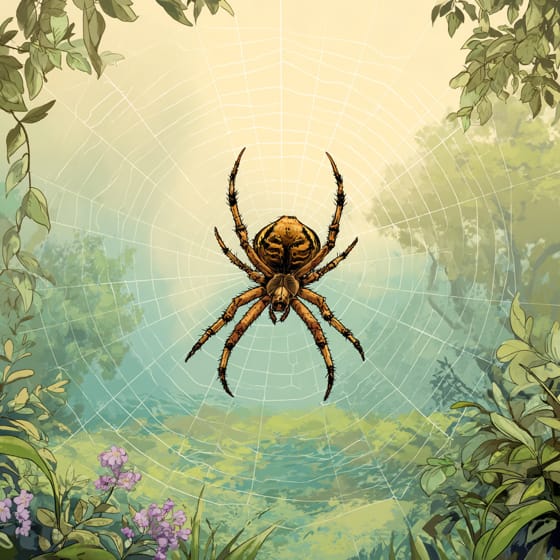
Araneus diadematus
Garden spiders build webs to catch flying insects like these moths.
Solitary animals live alone for most of their lives, only interacting with others for mating or parental care.
Aerial creatures spend a significant portion of their lives airborne, utilizing flight for various activities such as hunting, migration, or nesting.
Colorful describes organisms or objects displaying a wide range of bright and distinct colors.
This trait characterizes organisms whose diet consists entirely or primarily of plant material.

Describes plants that are particularly attractive and beneficial to a wide range of pollinating organisms.

Coastal habitats are dynamic environments located along the interface between land and sea, influenced by tides, waves, and saltwater.

Diurnal animals are primarily active during daylight hours, typically resting or sleeping at night.

Pertaining to species that are significantly smaller than typical or average for their kind.

Describes organisms that transfer pollen, enabling the fertilization and reproduction of plants.
No aliases listed yet.
Danger
1/5 · Very low
Moths are gentle creatures, but it's best to watch them from a distance.
The easiest way to identify Ocean Spray Fairy Moth is to use the Snappit nature identifier app.
4-8 mm
2-4 mm
7-14 days
Adults sip nectar from flowers, while their tiny larvae munch on leaves.
Coastal areas
Foraging
6
Zoom in to split clusters and explore where this object has been snapped.
Take the discovery with you
Snap it with Snappit to identify it, learn what makes it special, and add the discovery to your collection.








.jpg&width=800)



