





Ocean spray
Holodiscus discolor
Ocean spray is a lovely shrub that grows along the coast. It has beautiful white flowers that look like fluffy clouds and attract many butterflies and bees!
Habitat: Coastal areas
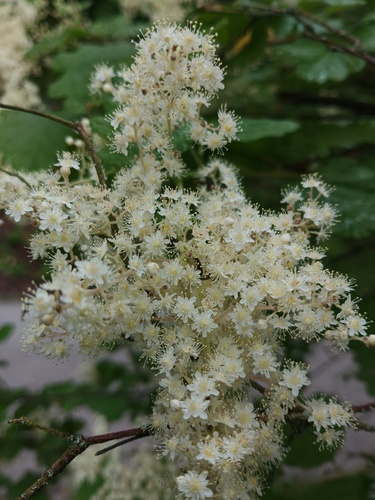
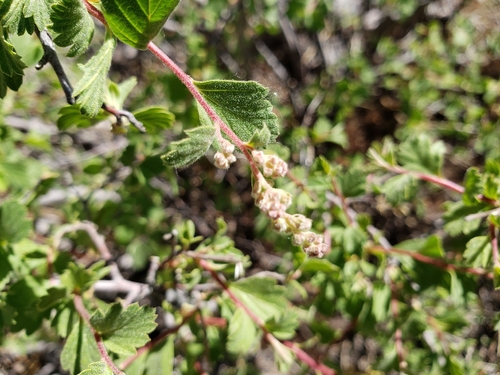
The Ocean spray is a tall, arching shrub known for its spectacular creamy-white to yellowish flower clusters that resemble seafoam. Its leaves are lobed and dark green, creating a dense, leafy appearance that makes the fluffy white blooms stand out dramatically.
Category
PlantsRarity
Common
Danger
1/5 · Very low
Snaps
10
Its wood is so strong, Native Americans used it for making tough tools and even arrows!
The plant's fluffy white flower clusters can grow as long as your forearm!
This shrub is sometimes called 'Ironwood' because its branches are surprisingly hard.
When its tiny seeds ripen, they are so light they can float far on the wind!
Ocean spray has deep roots that help it find water and survive long, dry periods, making it very tough.
Ocean spray can grow in disturbed soil and its roots help hold the earth in place, preventing erosion.
Ocean spray has strong, flexible wood that can be bent without breaking, making it great for tools and crafts.
Apis mellifera
Gathers nectar and pollen
Bombus vosnesenskii
Visits flowers for nectar
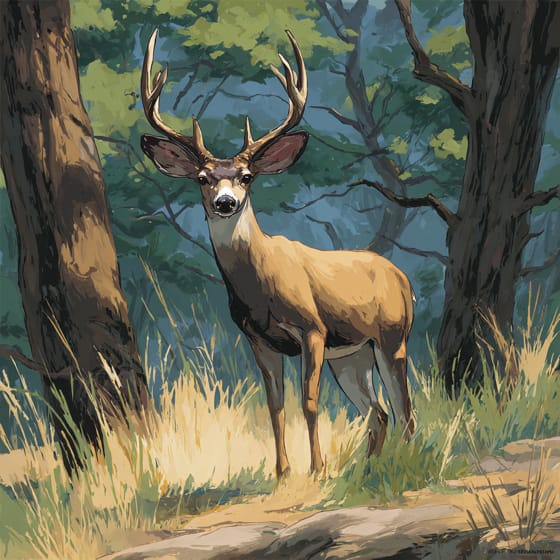
Odocoileus hemionus
Deer browse its leaves
.jpg&width=800)
Thryomanes bewickii
Uses dense branches for nests

Papilio rutulus
Visits flowers for nectar
Deciduous plants periodically shed all their leaves, typically during autumn or dry seasons.
Flowering plants are any plants that produce flowers as part of their reproductive cycle.
A shrub is a woody plant smaller than a tree, typically with multiple stems branching from or near the ground.
Fragrant flowers emit a pleasant aroma, often to attract pollinators or for defense.

Fall color refers to the seasonal change in foliage pigmentation, primarily in deciduous plants, displaying vibrant hues.

Describes plants that are particularly attractive and beneficial to a wide range of pollinating organisms.

Coastal habitats are dynamic environments located along the interface between land and sea, influenced by tides, waves, and saltwater.
No aliases listed yet.
Danger
1/5 · Very low
Always stay on paths when exploring nature and be gentle with plants.
The easiest way to identify Ocean spray is to use the Snappit nature identifier app.
100-500 cm
100-300 cm
0.3-0.5 cm
Late spring to mid-summer
Yes
None
Perennial
Zoom in to split clusters and explore where this object has been snapped.
Jun 18, 2025
FairhavenPhoto attribution
(c) Seb H, some rights reserved (CC BY)
License: CC BY 4.0 ↗
Image may be shown cropped inside the card frame.
Jun 30, 2019
Manzanita Lake Naturalist's Services Historic DistrictPhoto attribution
(c) Cristhian Mace, some rights reserved (CC BY)
License: CC BY 4.0 ↗
Image may be shown cropped inside the card frame.

Oregon, US
You might spot Duck, Pacific Trillium, and Wood Duck.
View guide →

Washington, US
You might spot Bigleaf Maple, Mule Deer, and Oregon Grape.
View guide →

Washington, US
You might spot Rock Pigeon, American Crow, and Pigeon Guillemot.
View guide →

Washington, US
You might spot Western Skunk Cabbage, Thimbleberry, and Barred Owl.
View guide →
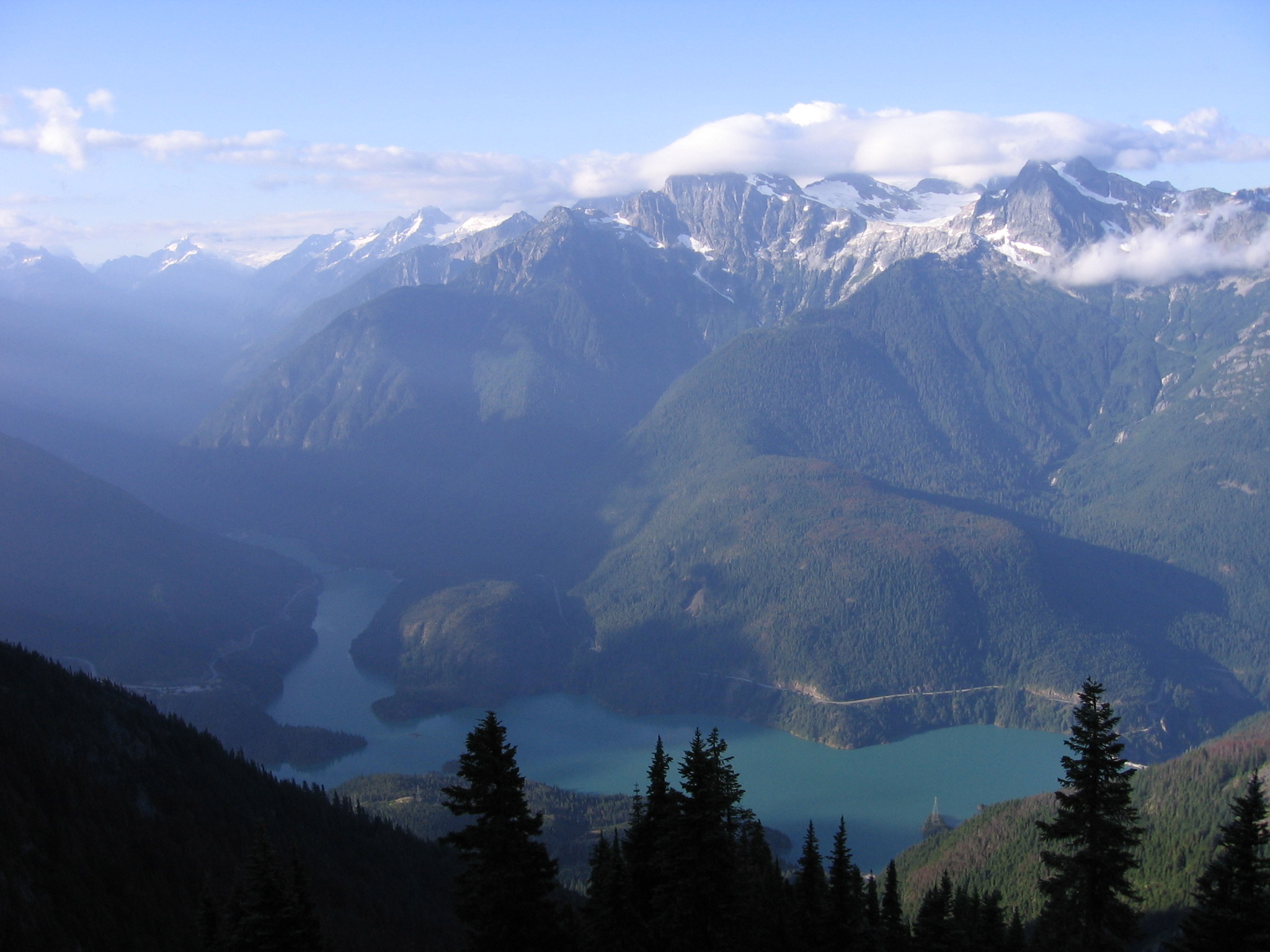
Washington, US
You might spot Cascade Oregon-Grape, Douglas Fir, and Salal.
View guide →
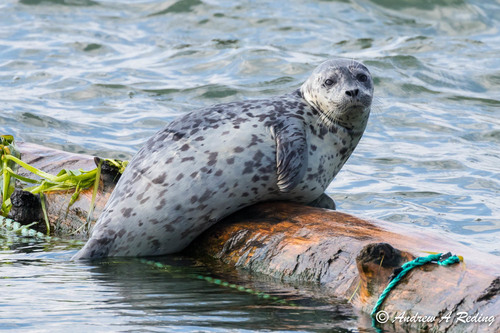
British Columbia, CA
You might spot Harbor Seal, Evergreen Huckleberry, and Alumroots.
View guide →
Take the discovery with you
Snap it with Snappit to identify it, learn what makes it special, and add the discovery to your collection.







.jpg&width=800)


_001.jpg&width=800)




