





Oedemera podagrariae
Oedemera podagrariae
The Oedemera podagrariae is a shiny green beetle that loves to munch on flowers. It has long legs and can be found hopping around gardens and meadows, making it a fun little friend to spot!
Habitat: Grasslands
The Oedemera podagrariae is a slender beetle, often shimmering in metallic green, bronze, or coppery tones. Males are distinct with their conspicuously swollen hind thighs, resembling strongman muscles. Its long, slender legs and antennae contribute to its elegant, almost delicate appearance among beetles.
Category
InsectsRarity
Common
Danger
1/5 · Very low
Snaps
Be the first to snap!
Its scientific name, 'podagrariae', hints at the swollen 'foot' or leg of the males!
These beetles are like tiny gardeners, helping flowers make seeds by spreading pollen!
They are often seen 'sunbathing' on flower petals to warm up before a busy day!
Unlike many beetles, it's a picky eater, preferring the pollen of yellow and white flowers!
Oedemera podagrariae males have noticeably swollen hind femurs that help them attract mates and potentially deter rivals during breeding.
Oedemera podagrariae can feed on pollen and nectar, helping plants reproduce as it carries pollen from flower to flower.
Oedemera podagrariae has a shimmering metallic green or bronze body that helps it blend into leafy environments or bright flowers.
This beetle sips nectar and eats pollen from flowers, helping plants grow.
Age differences: Larvae feed on dead plant stems, while adults consume pollen and nectar.
_Clock_-_Tennessee%2C_USA_-_May_31%2C_2014.jpg&width=800)
Taraxacum officinale
Feeds on pollen and nectar.
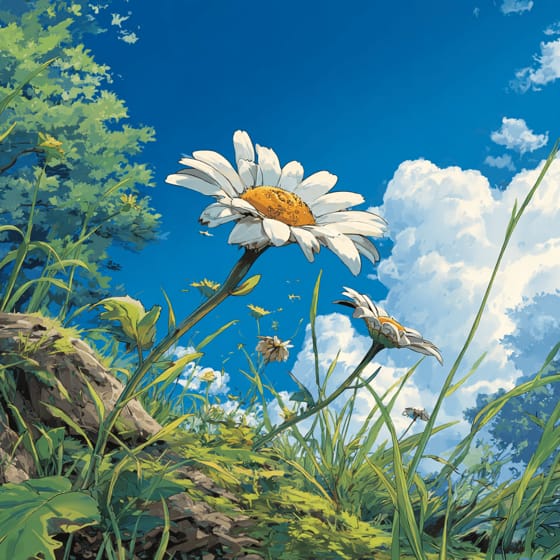
Leucanthemum vulgare
Transfers pollen while feeding.
%2C_Parc_de_Woluw%C3%A9%2C_Brussels_(13042792905).jpg&width=800)
Parus major
Birds often prey on adult beetles.
Daucus carota
Favors pollen and nectar from its flowers.
Solitary animals live alone for most of their lives, only interacting with others for mating or parental care.
Colorful describes organisms or objects displaying a wide range of bright and distinct colors.
Grassland habitats are terrestrial biomes dominated by grasses and herbaceous plants, supporting a variety of grazing animals.
This trait characterizes organisms whose diet consists entirely or primarily of plant material.

Describes plants that are particularly attractive and beneficial to a wide range of pollinating organisms.

Diurnal animals are primarily active during daylight hours, typically resting or sleeping at night.

Describes organisms that transfer pollen, enabling the fertilization and reproduction of plants.
No aliases listed yet.
Danger
1/5 · Very low
These beetles are harmless, but it's best to look and not touch them.
The easiest way to identify Oedemera podagrariae is to use the Snappit nature identifier app.
7-10 mm
30-90 days
This beetle sips nectar and eats pollen from flowers, helping plants grow.
Grasslands
Foraging
6
Zoom in to split clusters and explore where this object has been snapped.
Recent snaps will appear here as new observations are added.
Take the discovery with you
Snap it with Snappit to identify it, learn what makes it special, and add the discovery to your collection.






.jpg&width=800)



