





Old World Field Mice
Apodemus
Old World Field Mice are small, cute creatures that love to scurry around in fields and meadows. They have soft fur and big eyes, making them fun to watch as they explore their homes.
Habitat: Grasslands
The Old World Field Mice has a sleek, reddish-brown fur coat on its back, fading to a white or grey underside. It features large, dark eyes and prominent ears, with a tail that is almost as long as its body, making it visually distinct from house mice.
Category
MammalsRarity
Common
Danger
1/5 · Very low
Snaps
Be the first to snap!
A single field mouse can stash thousands of seeds in its underground pantry for winter.
Their tails can break off if caught by a predator, allowing a speedy escape!
They can squeeze through openings as thin as a pencil, making them hard to catch.
They communicate with high-pitched squeaks, some too high for human ears to hear!
Old World Field Mice can leap impressive distances because of strong hind legs that help them evade predators quickly.
Old World Field Mice can dig complex burrows that help them store food and create safe nesting sites.
Old World Field Mice has exceptional hearing and smell that helps them find food and avoid danger in the dark.
These small omnivores enjoy a varied diet of seeds, nuts, berries, and tiny insects.

Tyto alba
hunts them using its silent flight at night.
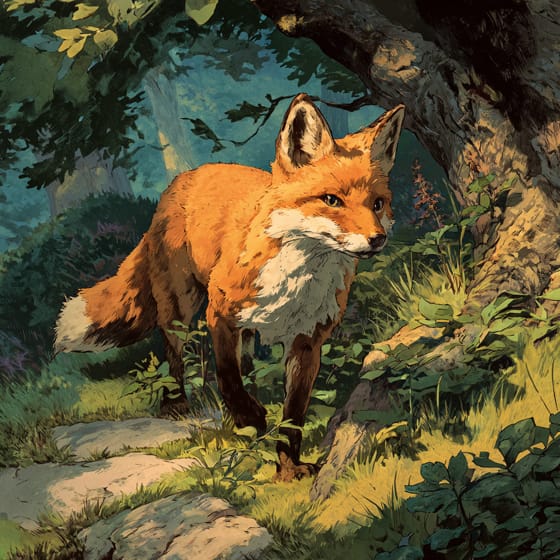
Vulpes vulpes
preys on them in fields and woodlands.
Mustela nivalis
hunts them even in their underground burrows.
Quercus robur
relies on its acorns for winter food storage.
Furry describes animals possessing a dense covering of soft hair or fur.
Social animals live in organized groups, cooperating for survival benefits such as foraging, defense, and raising offspring.
This trait identifies organisms whose diet includes both plant and animal matter.
Burrowing animals dig tunnels and chambers in the ground, using these subterranean structures for shelter, hunting, or breeding.

Grassland habitats are terrestrial biomes dominated by grasses and herbaceous plants, supporting a variety of grazing animals.

Diurnal animals are primarily active during daylight hours, typically resting or sleeping at night.

This trait identifies organisms that exhibit exceptional swiftness in movement for hunting, escape, or travel.
No aliases listed yet.
Danger
1/5 · Very low
Always watch from a distance and don't try to catch wild mice; they are best left in nature.
The easiest way to identify Old World Field Mice is to use the Snappit nature identifier app.
8-12 cm
0.015-0.045 kg
1-2 years
15 km/h
These small omnivores enjoy a varied diet of seeds, nuts, berries, and tiny insects.
Grasslands
Foraging
Zoom in to split clusters and explore where this object has been snapped.
Recent snaps will appear here as new observations are added.
Take the discovery with you
Snap it with Snappit to identify it, learn what makes it special, and add the discovery to your collection.




.jpg&width=800)


.JPG&width=800)

.jpg&width=800)
