





Olive Clubtail
Stylurus olivaceus
The Olive Clubtail is a special dragonfly with a long, slender body and beautiful olive-green colors. They love to fly around near water and are great at catching insects in the air!
Habitat: Wetlands
The Olive Clubtail has a distinctive olive-green thorax and a dark abdomen with yellowish stripes. Its namesake 'club' refers to the widened segments at the end of its abdomen, making it visually distinct from many other slender dragonflies.
Category
InsectsRarity
Common
Danger
1/5 · Very low
Snaps
Be the first to snap!
Adults catch flying insects using their spiky legs like a net while flying incredibly fast!
Dragonflies like the Olive Clubtail are ancient, flying the Earth even before dinosaurs roamed!
Its underwater larva can live for years, breathing with gills before transforming into an adult!
They are great indicators of healthy, clean freshwater ecosystems because of their sensitive larvae!
Olive Clubtail has incredible wrap-around compound eyes that help them spot tiny prey and predators from almost any direction.
Olive Clubtail can hover, fly backward, and turn on a dime because of its independently controlled wings, allowing precise aerial hunting.
Olive Clubtail has an olive-green body that helps them blend perfectly with riparian vegetation, making them nearly invisible.
A fierce aerial hunter, it munches on smaller insects it snatches from the sky.
Age differences: Larvae hunt aquatic invertebrates like tadpoles and insect larvae; adults eat flying insects.
Culex pipiens
adults actively hunt them in flight
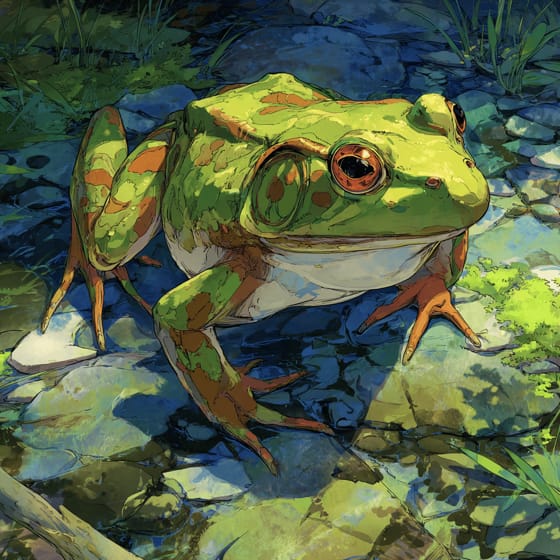
Lithobates catesbeianus
adults are prey for this amphibian
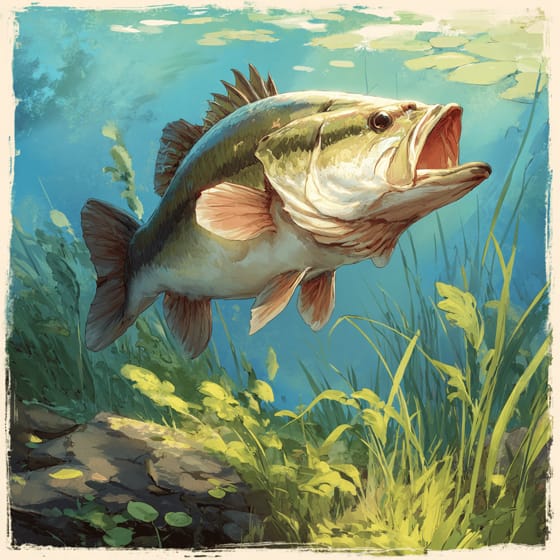
Micropterus salmoides
larvae are a food source for fish
Camouflaged describes organisms that possess coloring or patterns that allow them to blend into their environment.
Colorful describes organisms or objects displaying a wide range of bright and distinct colors.
This trait identifies organisms whose diet primarily consists of insects and other small invertebrates.
This habitat trait identifies species found in wetlands, which are areas of land saturated with water, either permanently or seasonally, including marshes, swamps, and bogs.

Diurnal animals are primarily active during daylight hours, typically resting or sleeping at night.

Freshwater habitats include non-saline aquatic environments such as rivers, lakes, ponds, and wetlands, vital for numerous species.

This trait identifies organisms that exhibit exceptional swiftness in movement for hunting, escape, or travel.

Describes organisms that transfer pollen, enabling the fertilization and reproduction of plants.
No aliases listed yet.
Danger
1/5 · Very low
Dragonflies are not dangerous, but it's best to watch them from a distance.
The easiest way to identify Olive Clubtail is to use the Snappit nature identifier app.
60-85 mm
40-55 mm
30-90 days
30-50 km/h
A fierce aerial hunter, it munches on smaller insects it snatches from the sky.
Wetlands
Pursuit
Zoom in to split clusters and explore where this object has been snapped.
Recent snaps will appear here as new observations are added.
Take the discovery with you
Snap it with Snappit to identify it, learn what makes it special, and add the discovery to your collection.









.jpg&width=800)



