





Powdered Dancer
Argia moesta
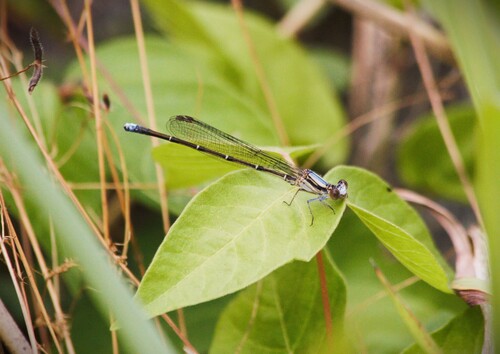
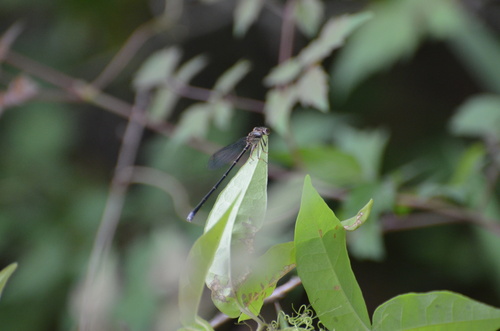
The Powdered Dancer is a beautiful dragonfly with bright colors and delicate wings. They love to dance around near water, making them fun to watch as they flit and hover.
Habitat: Wetlands
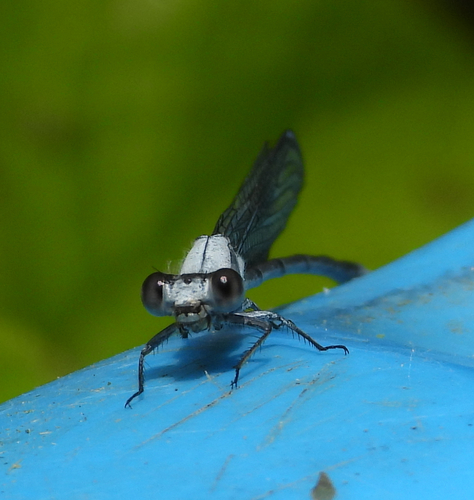
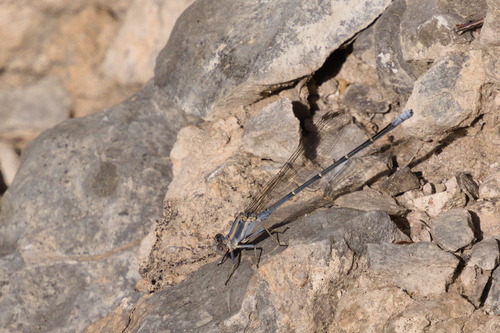
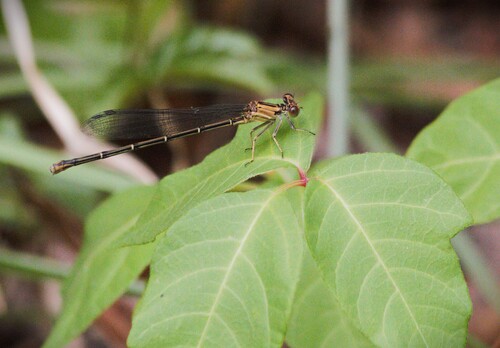
The Powdered Dancer is a slender damselfly, often appearing powdery blue-grey on its body, especially in older males. It has dark stripes on its thorax and clear, delicate wings. Its muted coloration helps it blend in near rivers and streams.
Category
InsectsRarity
Common
Danger
1/5 · Very low
Snaps
21
Baby Powdered Dancers are called nymphs and live underwater for months or even years!
Powdered Dancers fold their wings neatly back when resting, unlike their dragonfly cousins!
These tiny hunters help protect you by eating lots of pesky mosquitoes!
They have huge eyes covering most of their head, letting them see almost all around them!
Powdered Dancer males develop a unique powdery blue coating that helps them camouflage amongst shadows and plants near water.
The Powdered Dancer has a slender body and large wings that help them glide gracefully and quickly snatch tiny insects from the air.
Young Powdered Dancers live underwater as nymphs, using special hinged jaws to ambush tiny aquatic creatures.
These damselflies are fierce insect hunters, both as adults and underwater as nymphs!
Age differences: Nymphs hunt underwater for aquatic insects and tiny crustaceans, while adults hunt flying insects in the air.
Culex pipiens
as a flying adult
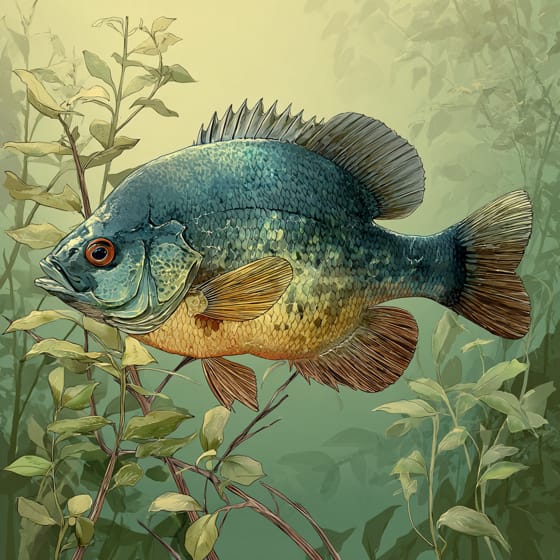
Lepomis macrochirus
nymphs in water
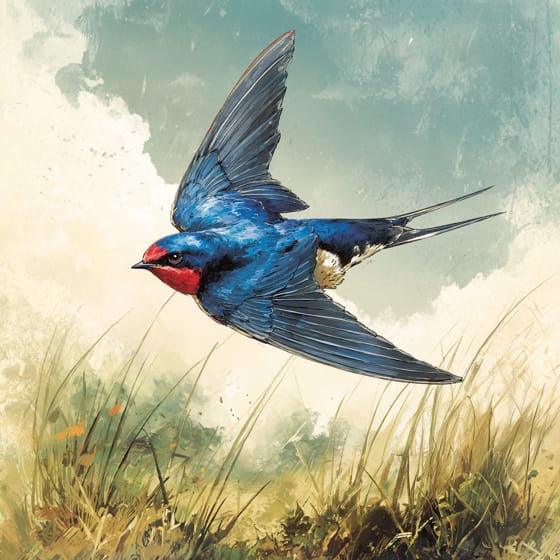
Hirundo rustica
adults in flight
Typha latifolia
for egg-laying
Solitary animals live alone for most of their lives, only interacting with others for mating or parental care.
Aerial creatures spend a significant portion of their lives airborne, utilizing flight for various activities such as hunting, migration, or nesting.
Colorful describes organisms or objects displaying a wide range of bright and distinct colors.
This trait identifies organisms whose diet primarily consists of insects and other small invertebrates.

This habitat trait identifies species found in wetlands, which are areas of land saturated with water, either permanently or seasonally, including marshes, swamps, and bogs.

Diurnal animals are primarily active during daylight hours, typically resting or sleeping at night.

Freshwater habitats include non-saline aquatic environments such as rivers, lakes, ponds, and wetlands, vital for numerous species.

This trait identifies organisms that exhibit exceptional swiftness in movement for hunting, escape, or travel.

Describes organisms that transfer pollen, enabling the fertilization and reproduction of plants.
No aliases listed yet.
Danger
1/5 · Very low
Always watch dragonflies from a distance and don't try to catch them.
The easiest way to identify Powdered Dancer is to use the Snappit nature identifier app.
45-60 mm
35-42 mm
30-60 days
10 km/h
These damselflies are fierce insect hunters, both as adults and underwater as nymphs!
Wetlands
Pursuit
Zoom in to split clusters and explore where this object has been snapped.
Jun 6, 2026
Hocking Valley Scenic Railway Historic DistrictPhoto attribution
(c) Anna Hess, some rights reserved (CC BY)
License: CC BY 4.0 ↗
Image may be shown cropped inside the card frame.
May 5, 2026
Rancho EstellePhoto attribution
(c) Mike Ostrowski, some rights reserved (CC BY-SA)
License: CC BY-SA 4.0 ↗
Image may be shown cropped inside the card frame.
May 1, 2026
Columbia CanalPhoto attribution
(c) Raven Dandridge, some rights reserved (CC BY)
License: CC BY 4.0 ↗
Image may be shown cropped inside the card frame.
May 1, 2026
Columbia CanalPhoto attribution
(c) Raven Dandridge, some rights reserved (CC BY)
License: CC BY 4.0 ↗
Image may be shown cropped inside the card frame.
Apr 25, 2026
Columbia CanalPhoto attribution
(c) Grant Foster, some rights reserved (CC BY)
License: CC BY 4.0 ↗
Image may be shown cropped inside the card frame.
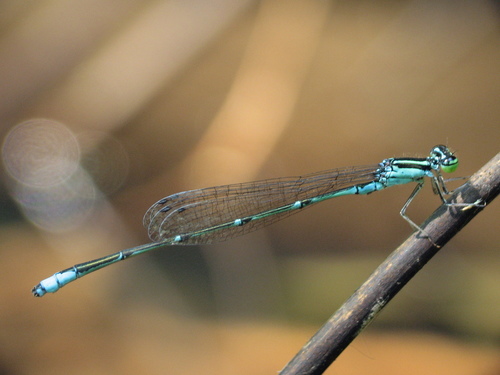
New York, US
You might spot Stream Bluet, Variable Dancer, and Eastern Pondhawk.
View guide →

South Carolina, US
You might spot Great Blue Heron, Spanish Moss, and Cahaba Lily.
View guide →
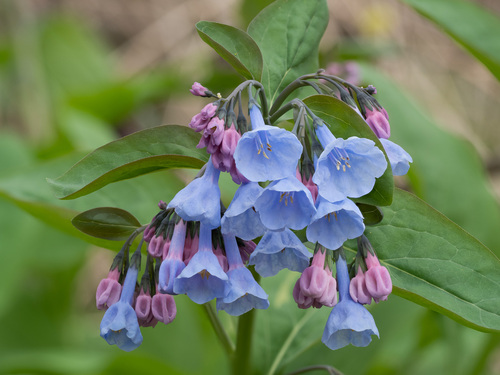
Virginia, US
You might spot Virginia Bluebells and Virginia Springbeauty.
View guide →
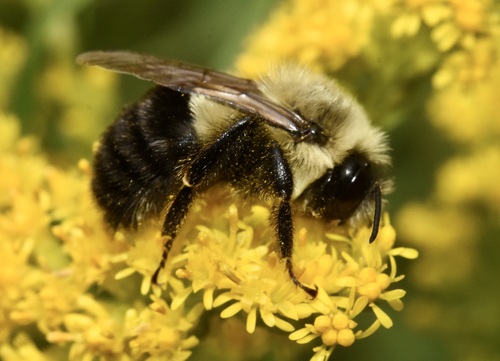
Ohio, US
You might spot Common Eastern Bumble Bee, Sensitive Fern, and Mayapple.
View guide →

Wisconsin, US
You might spot American Cancer-Root and Eastern White Pine.
View guide →

Virginia, US
You might spot White-Tailed Deer and Eastern Gray Squirrel.
View guide →
Take the discovery with you
Snap it with Snappit to identify it, learn what makes it special, and add the discovery to your collection.








.jpg&width=800)



