.jpg&width=800)





Orange-barred Sulphur
Phoebis philea
The Orange-barred Sulphur is a bright butterfly with beautiful yellow wings and orange stripes. They flutter around gardens and fields, bringing joy to everyone who sees them!
Habitat: Grasslands
The Orange-barred Sulphur is a vibrant yellow butterfly with a distinct, bright orange bar crossing the male's forewings. Females are paler yellow, often with more diffused dark markings. Its underside is typically mottled yellow-orange, providing effective camouflage.
Category
InsectsRarity
Common
Danger
1/5 · Very low
Snaps
1
Males "flash" their bright orange bars during aerial courtship dances to attract females!
Their tiny, spindle-shaped eggs are usually laid individually on fresh host plant leaves.
These butterflies are known for their super strong, rapid, and sometimes erratic flight!
They belong to the Pieridae family, often called the "Whites and Sulphurs."
Orange-barred Sulphur caterpillars can be green or yellow, allowing them to perfectly match their host plant leaves for camouflage.
The Orange-barred Sulphur can migrate hundreds of miles, travelling to warmer climates or seeking new food sources.
This butterfly has a long, straw-like proboscis that helps it sip nectar from deep inside a variety of flowers.
Its vivid orange and yellow wing colors might warn some predators that it could taste unpleasant or be difficult to catch.
Caterpillars munch on leaves, while adult butterflies sip sweet flower nectar.
Age differences: Caterpillars feed exclusively on the leaves of host plants, while adults primarily consume nectar from flowers.
Senna occidentalis
Caterpillars feed on its leaves.
Senna hebecarpa
A primary host plant for its larvae.
.jpg&width=800)
Lantana camara
Adults visit its flowers for nectar.
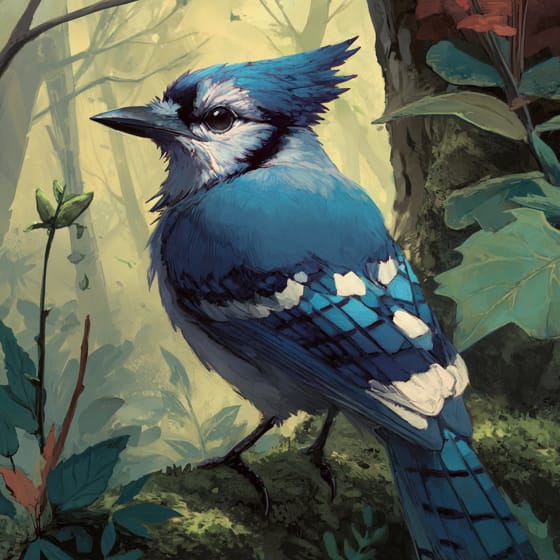
Cyanocitta cristata
A common bird predator of butterflies.
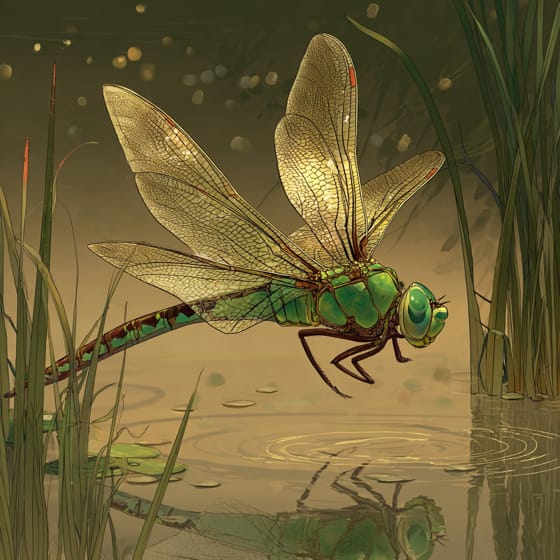
Anax junius
Large dragonflies prey on flying adults.
Marked with parallel bands or lines of color.
Solitary animals live alone for most of their lives, only interacting with others for mating or parental care.
Colorful describes organisms or objects displaying a wide range of bright and distinct colors.
Grassland habitats are terrestrial biomes dominated by grasses and herbaceous plants, supporting a variety of grazing animals.

This trait characterizes organisms whose diet consists entirely or primarily of plant material.

Describes plants that are particularly attractive and beneficial to a wide range of pollinating organisms.

Diurnal animals are primarily active during daylight hours, typically resting or sleeping at night.

Describes organisms that transfer pollen, enabling the fertilization and reproduction of plants.
Danger
1/5 · Very low
Always look but don't touch butterflies; they are delicate and need to be safe.
The easiest way to identify Orange-barred Sulphur is to use the Snappit nature identifier app.
55-80 mm
20-30 mm
14-21 days
15 km/h
Caterpillars munch on leaves, while adult butterflies sip sweet flower nectar.
Grasslands
Foraging
Zoom in to split clusters and explore where this object has been snapped.
Take the discovery with you
Snap it with Snappit to identify it, learn what makes it special, and add the discovery to your collection.







.jpg&width=800)



