





Orange-throated Whiptail
Aspidoscelis hyperythrus
The Orange-throated Whiptail is a colorful lizard with a bright orange throat and a long, slender body. They love to bask in the sun and can be found darting around in their habitats.
Habitat: Desert
The Orange-throated Whiptail is a slender lizard with a long, whip-like tail that can be twice its body length. It has a distinctive bright orange throat, often with a pale brown or reddish-brown back marked with dark stripes or spots, making it stand out.
Category
ReptilesRarity
Common
Danger
1/5 · Very low
Snaps
4
Female whiptails dig underground nests to keep their eggs safe and warm.
Their bodies soak up sun like a solar panel to warm up for hunting.
They use their long tails for balance while running super fast!
Whiptails often run on just two legs for short, speedy bursts!
Orange-throated Whiptail can drop its tail if caught, which wiggles to distract predators while the lizard runs away.
Orange-throated Whiptail has a forked tongue that constantly samples the ground, helping them sniff out hidden insects and food.
Orange-throated Whiptail can dart across sandy terrain at impressive speeds, allowing them to chase prey and evade quick predators.
These active lizards are expert insect hunters, gobbling up small creepy crawlies.
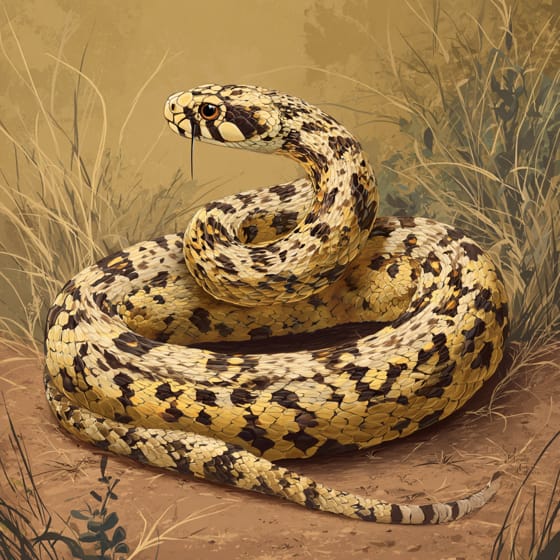
Pituophis catenifer
A common snake predator in its habitat.
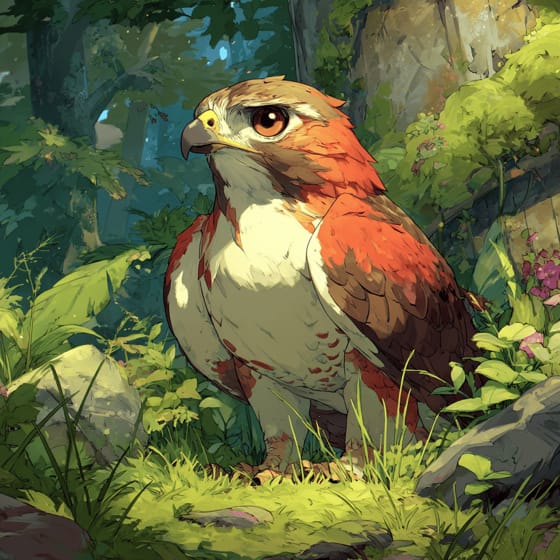
Buteo jamaicensis
A keen-eyed bird of prey that hunts from above.

Pogonomyrmex californicus
Actively hunts these ants from their nests.
Hogna carolinensis
Hunts various ground-dwelling spiders.
Arboreal animals live primarily in trees, utilizing them for shelter, food, and protection from predators.
Camouflaged describes organisms that possess coloring or patterns that allow them to blend into their environment.
Colorful describes organisms or objects displaying a wide range of bright and distinct colors.
This trait identifies organisms whose diet primarily consists of insects and other small invertebrates.

Desert habitats are arid regions characterized by extremely low precipitation and often extreme temperatures, supporting specialized flora and fauna.

Diurnal animals are primarily active during daylight hours, typically resting or sleeping at night.

This trait identifies organisms that exhibit exceptional swiftness in movement for hunting, escape, or travel.
No aliases listed yet.
Danger
1/5 · Very low
If you see a lizard, watch it from a distance and don't try to catch it.
The easiest way to identify Orange-throated Whiptail is to use the Snappit nature identifier app.
15-25 cm
0.005-0.015 kg
3-5 years
20 km/h
These active lizards are expert insect hunters, gobbling up small creepy crawlies.
Desert
Foraging
Zoom in to split clusters and explore where this object has been snapped.
Take the discovery with you
Snap it with Snappit to identify it, learn what makes it special, and add the discovery to your collection.












