





Red Diamond Rattlesnake
Crotalus ruber
The Red Diamond Rattlesnake is a colorful snake with a bright red and orange pattern. It has a rattle at the end of its tail that makes a buzzing sound when it feels scared. This helps warn others to stay away!
Habitat: Desert
The Red Diamond Rattlesnake is a large, heavy-bodied snake marked by reddish-brown scales and distinctive diamond-shaped blotches, often outlined in cream or white. Its tail features striking black and white bands, giving it a 'raccoon' tail appearance, different from other rattlesnakes.
Category
ReptilesRarity
Common
Danger
5/5 · Extreme
Snaps
Be the first to snap!
A baby rattlesnake's bite can deliver more venom than an adult's bite!
Their unique rattle can be shaken up to 100 times per second!
They are sometimes called the 'red rattler' due to their vibrant color.
They give birth to live baby snakes, called 'neonates', not eggs!
Red Diamond Rattlesnake has a specialized rattle that helps them vibrate a loud warning to potential threats, preventing direct confrontation.
Red Diamond Rattlesnake can detect infrared heat with special pits on its face, helping them hunt warm-blooded prey in total darkness.
Red Diamond Rattlesnake has reddish-brown scales and diamond patterns that help them blend seamlessly into their rocky, desert surroundings.
Red Diamond Rattlesnake has retractable, hollow fangs that help them swiftly inject potent venom into their prey, ensuring an effective hunt.
These expert ambush predators use their venom to capture small mammals and birds for their diet.
Age differences: Young snakes may eat more lizards, while adults primarily prey on mammals.
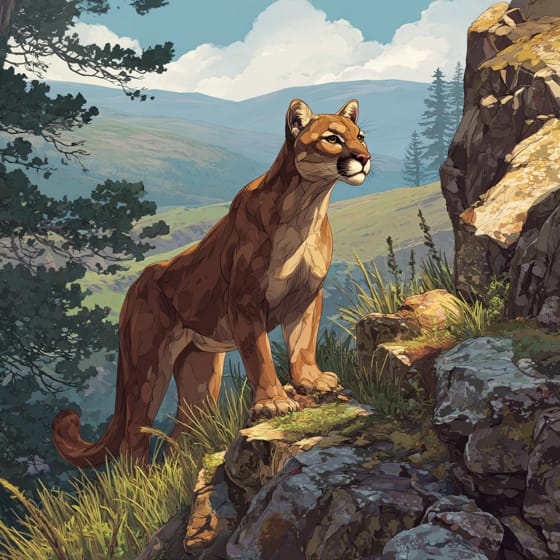
Puma concolor
Large predators may occasionally prey on snakes.
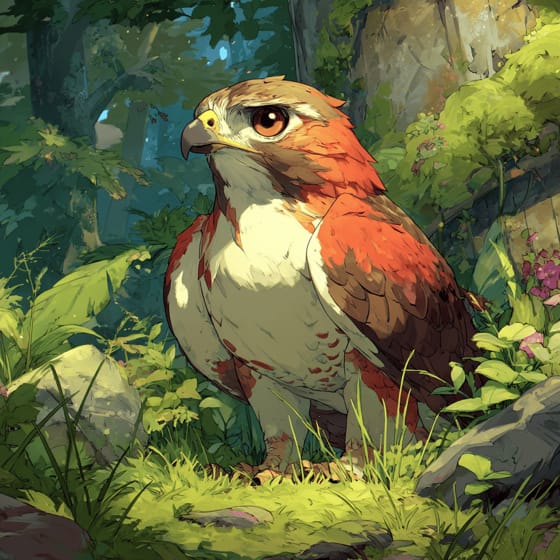
Buteo jamaicensis
Hawks are common predators of many snake species.
Neotoma lepida
Desert woodrats are a common prey item in its habitat.
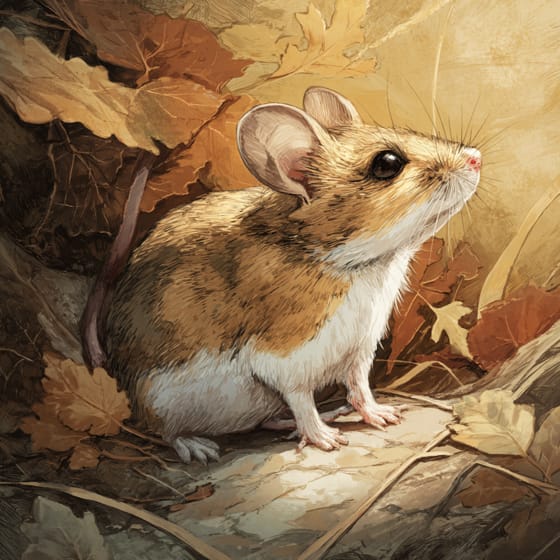
Peromyscus maniculatus
Deer mice are a frequent target for hunting rattlesnakes.

Canis latrans
Coyotes are opportunistic predators that will eat rattlesnakes.
Solitary animals live alone for most of their lives, only interacting with others for mating or parental care.
Colorful describes organisms or objects displaying a wide range of bright and distinct colors.
Desert habitats are arid regions characterized by extremely low precipitation and often extreme temperatures, supporting specialized flora and fauna.
An ambush predator hunts by patiently waiting and concealing itself, then launching a sudden attack when unsuspecting prey comes within range.

This trait characterizes organisms with an exceptionally long lifespan compared to others of their kind.

This trait identifies organisms whose diet consists entirely or primarily of animal tissue.

Diurnal animals are primarily active during daylight hours, typically resting or sleeping at night.

Venomous organisms produce toxins that are injected into another animal, typically through a bite or sting.

Endangered status indicates a species is at a very high risk of extinction in the wild in the near future.
Danger
5/5 · Extreme
If you see a snake, stay calm and walk away slowly. Never try to touch or catch it.
The easiest way to identify Red Diamond Rattlesnake is to use the Snappit nature identifier app.
90-150 cm
1-3 kg
15-20 years
6 km/h
These expert ambush predators use their venom to capture small mammals and birds for their diet.
Desert
Ambush
Zoom in to split clusters and explore where this object has been snapped.
Recent snaps will appear here as new observations are added.
Take the discovery with you
Snap it with Snappit to identify it, learn what makes it special, and add the discovery to your collection.













