





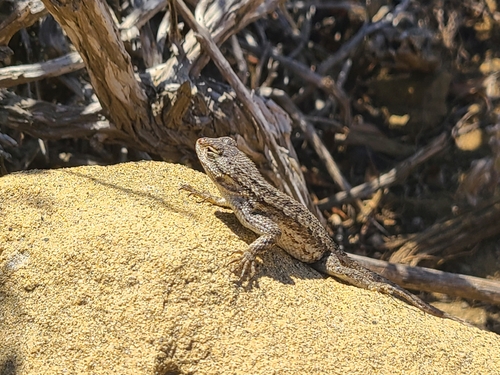
Western Fence Lizard

Cabrillo National Monument offers stunning views and a journey through history and nature.
Cabrillo National Monument offers stunning views and a journey through history and nature. This iconic national monument, perched dramatically at the southern tip of the Point Loma peninsula in San Diego, California, commemorates the 1542 landing of Juan Rodriguez Cabrillo, the first European expedition to reach the West Coast of the United States. Visitors are treated to unparalleled panoramic vistas of the Pacific Ocean, the sprawling San Diego Bay, Coronado Island, and the downtown San Diego skyline.
The monument is a treasure trove of diverse attractions, inviting exploration of both its natural wonders and historical significance. Delve into the past at the Old Point Loma Lighthouse, a beautifully restored beacon from 1855, offering a glimpse into 19th-century maritime life. Venture to the vibrant tide pools, especially during low tide, to marvel at a bustling marine ecosystem teeming with sea stars, anemones, and hermit crabs. For nature enthusiasts, scenic hiking trails like the Bayside Trail and the recently opened Oceanside Trail wind through native coastal sage scrub habitats, providing opportunities for birdwatching and enjoying the region's unique flora. From the Whale Overlook, winter visitors can witness the majestic migration of gray whales. The site also preserves a rich military past, with remnants of WWII coastal defense structures scattered throughout the park.
Whether you're drawn by its historical narratives, the vibrant coastal ecosystem, or simply the breathtaking scenery, Cabrillo National Monument offers a memorable and enriching experience. Educational exhibits at the Visitor Center, engaging ranger-led programs, and the interactive Junior Ranger program for younger visitors ensure that there's something to captivate every interest. It's a place where history, nature, and stunning vistas converge, making it a must-visit destination in San Diego. Planning to visit? Download the Snappit app to identify the wildlife you spot in real-time.
buffs * Nature lovers & wildlife viewing * Photographers * Hikers * Birdwatchers
Walk through the Old Point Loma Lighthouse, scout for marine creatures in the tide pools, look for gray whales from the Whale Overlook, hike the Bayside or Oceanside Trails, visit the Visitor Center for educational films and exhibits, and participate in ranger-led programs or the Junior Ranger program.
Winter (Dec-Mar): Best for tide-pooling and gray whale migration. Potential for rainy days, which can close some trails.
Spring (Apr-May): Ideal for comfortable hiking weather and seasonal wildflowers.
Summer (Jun-Aug): Can experience coastal fog ("May Gray," "June Gloom") potentially obscuring distant views.
Fall (Sep-Nov): Excellent for hiking and tide-pooling with pleasant temperatures.
The monument strives for accessibility with paved, gently sloping pathways connecting key areas such as the Visitor Center, Cabrillo Statue, Old Point Loma Lighthouse grounds, and the Kelp Forest and Whale Overlook. Accessible parking is available in the main lot and tide pool area, and a pass can be obtained at the entrance to park directly behind the lighthouse. Manual wheelchairs and walkers are available for loan at the Visitor Center. The Visitor Center exhibits include tactile elements and captioned films, and new accessible telescopes are being installed. However, some trails, like parts of the Oceanside Trail, have steep stairs and rugged terrain, and the tide pools can be challenging due to uneven, slippery rocks.
Explore the historic structure and learn about the lightkeepers' lives.
Discover diverse marine life in the rocky intertidal zone during low tide.
A prime spot for viewing migrating gray whales in winter and enjoying ocean vistas.
Offers stunning photo opportunities with the San Diego skyline as a backdrop.
Each card links to a full Explore page with photos, traits, and fun facts.
Start with the big picture, then zoom in to explore individual wildlife observations around this place.
Check Tide Schedules
If you plan to explore the tide pools, verify the low tide times for your visit date as they are only accessible and vibrant during low tide.
Dress in Layers
Coastal weather can be unpredictable, often starting foggy and becoming sunny or windy. Dressing in layers will ensure comfort throughout your visit.
Bring Binoculars
Enhance your experience at the Whale Overlook during migration season, or simply enjoy closer views of ships, distant landmarks, and wildlife.
Arrive Early
Especially on weekends and holidays, arriving early helps you avoid crowds, secure parking, and enjoy a more peaceful experience, particularly at the tide pools which can fill up quickly.
Pack Snacks and Water
While there's a gift shop, extensive food options are limited, so bringing your own snacks and water is advisable.
Stay on Trails and Respect Wildlife
Protect the delicate ecosystems by staying on marked trails and observing tide pool creatures without touching or removing them.
Jun 18, 2026
Photo attribution
(c) Chris Brown, some rights reserved (CC BY)
License: CC BY 4.0 ↗
Image may be shown cropped inside the card frame.
Jun 19, 2026
Jun 18, 2026
Jun 17, 2026
Jun 17, 2026

Maryland, US
You might spot White-Tailed Deer and Eastern Gray Squirrel.
View guide →
.jpg)
District of Columbia, US
You might spot Eastern Gray Squirrel, Duck, and House Sparrow.
View guide →

Illinois, US
You might spot American Robin, Canada Goose, and House Sparrow.
View guide →

Virginia, US
You might spot Spotted Lanternfly and Northern Cardinal.
View guide →
Take the discovery with you
Identify the wildlife you spot, learn as you go, and keep a collection of the adventure.




















.jpg&width=800)
