





Orange-tipped Oakworm Moth
Anisota senatoria
The Orange-tipped Oakworm Moth is a colorful moth with bright orange tips on its wings. It loves to flutter around oak trees and is a fun sight to see in gardens and forests.
Habitat: Forests
The Orange-tipped Oakworm Moth has striking yellow-orange forewings with reddish-brown markings, including a distinct white spot near the center. Its hindwings are typically a plainer reddish-orange. The moth's head and fuzzy body are yellowish, making it visually distinct from many other moths.
Category
InsectsRarity
Common
Danger
1/5 · Very low
Snaps
1
Adult moths do not have mouths to eat, living only on energy saved as caterpillars!
The spiky caterpillars often stand together in large, organized groups!
Their cocoons sometimes overwinter for two years before hatching!
This moth is part of the 'royal moth' family, known for bright colors and big sizes!
Orange-tipped Oakworm Moth caterpillars can eat tough oak leaves because of their strong mandibles that help them grow rapidly.
Orange-tipped Oakworm Moth pupae can stay underground for over a year, helping them survive harsh conditions.
Orange-tipped Oakworm Moths can smell chemicals released by female moths from far away, helping them find a mate.
Young caterpillars munch on oak leaves to grow; adult moths do not eat at all.
Age differences: Caterpillars are voracious leaf-eaters, but adult moths do not feed at all.
Quercus rubra
Its caterpillars feast on its leaves.
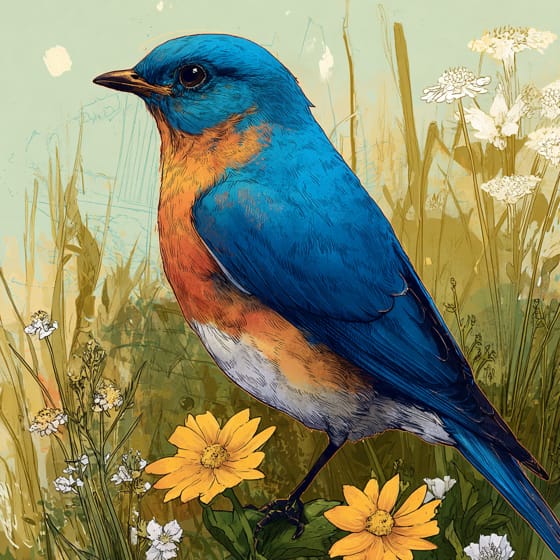
Sialia sialis
Birds eat the caterpillars and moths.
Apanteles anisotae
Lays eggs inside the caterpillar hosts.
Solitary animals live alone for most of their lives, only interacting with others for mating or parental care.
Colorful describes organisms or objects displaying a wide range of bright and distinct colors.
This trait characterizes organisms whose diet consists entirely or primarily of plant material.
Describes plants that are particularly attractive and beneficial to a wide range of pollinating organisms.

Forest habitats are terrestrial environments dominated by dense tree cover, supporting a high diversity of plant and animal life.

Nocturnal animals are primarily active during the nighttime hours, typically resting or sleeping during the day.

Describes organisms that transfer pollen, enabling the fertilization and reproduction of plants.
No aliases listed yet.
Danger
1/5 · Very low
Moths are generally safe, but it's best to watch them from a distance.
The easiest way to identify Orange-tipped Oakworm Moth is to use the Snappit nature identifier app.
40-70 mm
20-30 mm
7-14 days
Young caterpillars munch on oak leaves to grow; adult moths do not eat at all.
Forests
Foraging
6
Zoom in to split clusters and explore where this object has been snapped.
.jpg)
Virginia, US
You might spot Great Blue Heron and Canada Goose.
View guide →
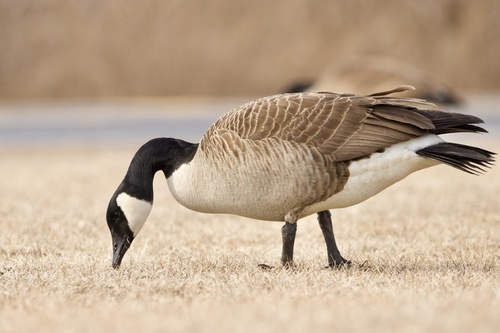
Virginia, US
You might spot Canada Goose, Eastern Gray Squirrel, and Great Blue Heron.
View guide →

Connecticut, US
You might spot Spongy Moth, Eastern Tent Caterpillar Moth, and Monarch.
View guide →

Connecticut, US
You might spot Spongy Moth and Eastern Tent Caterpillar Moth.
View guide →

Pennsylvania, US
You might spot American Bullfrog and Allegheny Monkeyflower.
View guide →
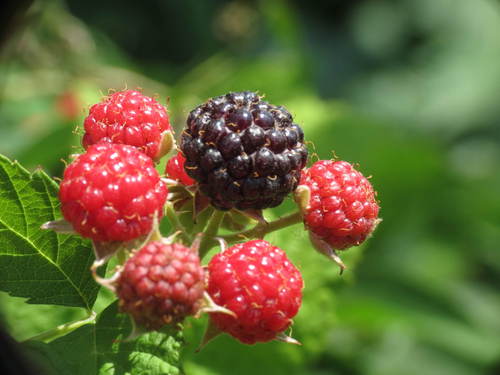
Virginia, US
You might spot Brambles, Redbud Tree, and American Pokeweed.
View guide →
Take the discovery with you
Snap it with Snappit to identify it, learn what makes it special, and add the discovery to your collection.








.jpg&width=800)


