





Orthoclads
Orthocladiinae
Orthoclads are tiny insects that live in water. They are often found in ponds and marshes, where they help keep the water clean by eating tiny bits of plants and other things.
Habitat: Wetlands
The Orthoclads larvae are small, worm-like insects, often reddish-brown, pale green, or whitish. They have a distinct segmented body, a small head capsule, and sometimes a pair of tiny prolegs at their rear end, making them look like miniature aquatic worms.
Category
InsectsRarity
Common
Danger
1/5 · Very low
Snaps
Be the first to snap!
Adult Orthoclads are non-biting midges, meaning they won't sting or bite you, unlike their mosquito cousins.
Many Orthoclad larvae are called 'bloodworms' because some are red from hemoglobin, just like our blood!
Some Orthoclads are used by scientists to tell how clean or dirty a river is, acting like tiny water detectives!
They are a super important snack for fish and other aquatic animals, basically tiny living protein bars!
Orthoclads can absorb oxygen directly through their skin and sometimes have hemoglobin, which helps them survive in murky, low-oxygen waters.
Orthoclads can construct silken tubes attached to surfaces using silk glands, which helps them stay safe from currents and predators.
Some Orthoclads can produce special anti-freeze compounds in their bodies, which helps them survive being frozen solid in ice.
Orthoclads can wiggle their bodies and use tiny prolegs to crawl along surfaces or through sediment, which helps them navigate efficiently.
Orthoclad larvae mostly munch on tiny bits of decaying plants and algae found in water.
Age differences: Adults typically do not feed or consume nectar for energy, differing significantly from the larval diet.
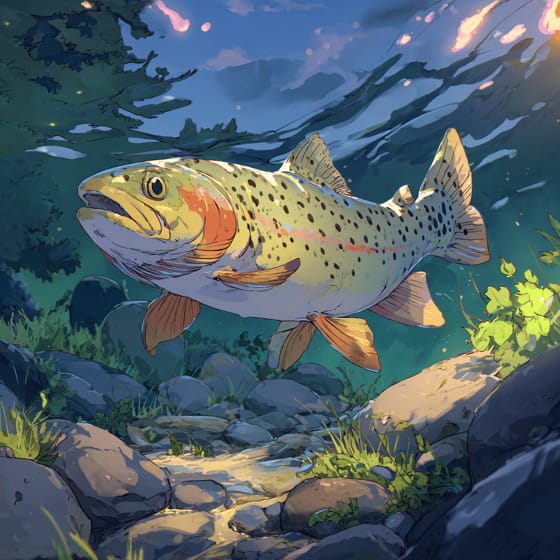
Oncorhynchus mykiss
Fish widely consume Orthoclad larvae as a food source.
Anax junius
Dragonfly nymphs actively hunt Orthoclad larvae in water.
.jpg&width=800)
Ardea cinerea
Wading birds forage for Orthoclads in shallow waters.
Solitary animals live alone for most of their lives, only interacting with others for mating or parental care.
Filter feeders obtain nutrients by straining suspended food particles and small organisms from water.
This trait characterizes organisms whose diet consists entirely or primarily of plant material.
Describes organisms that break down dead organic material, recycling nutrients back into the ecosystem.

This habitat trait identifies species found in wetlands, which are areas of land saturated with water, either permanently or seasonally, including marshes, swamps, and bogs.

Describes a species whose presence and role have a disproportionately large effect on its environment.

Pertaining to species that are significantly smaller than typical or average for their kind.

Aquatic habitats encompass environments where organisms live predominantly in water, including oceans, rivers, lakes, and wetlands.

Pertaining to organisms that emit light through bioluminescence or fluorescence.
No aliases listed yet.
Danger
1/5 · Very low
Always wash your hands after playing near water to keep them clean and safe.
The easiest way to identify Orthoclads is to use the Snappit nature identifier app.
2-10 mm
1-10 mm
30-90 days
Orthoclad larvae mostly munch on tiny bits of decaying plants and algae found in water.
Wetlands
Foraging
6
Zoom in to split clusters and explore where this object has been snapped.
Recent snaps will appear here as new observations are added.
Take the discovery with you
Snap it with Snappit to identify it, learn what makes it special, and add the discovery to your collection.








.jpg&width=800)



