.jpg&width=800)





Cypress Clubtail
Phanogomphus minutus
The Cypress Clubtail is a special dragonfly that loves to live near water. It has beautiful yellow and black stripes and can be seen flying around ponds and streams during warm days.
Habitat: Wetlands
The Cypress Clubtail is a small dragonfly with a dark body, primarily blackish-brown, marked with bright yellow stripes and spots. It has striking green eyes. Males possess a distinctive, flared, club-like abdomen tip, differentiating it from other clubtails.
Category
InsectsRarity
Common
Danger
1/5 · Very low
Snaps
Be the first to snap!
Adult male Clubtails perform aerial dances to impress females during mating rituals!
Cypress Clubtails are tiny environmental detectives, indicating healthy, clean water!
Larvae live underwater for years before transforming into an amazing adult!
Named for loving swampy cypress habitats, where they hunt and rest!
Cypress Clubtail can fly incredibly fast and change direction instantly, thanks to powerful wing muscles that help them hunt mid-air.
Cypress Clubtail larvae have a special 'hinged jaw' that shoots out to grab small prey because of its unique labium.
Cypress Clubtail larvae can perfectly blend into the riverbed or pond bottom because of their muted colors and flattened bodies, helping them hide from predators.
This dragonfly is an aerial hunter, preying on many small insects both in the air and underwater!
Age differences: Larvae hunt aquatic invertebrates underwater; adults hunt flying insects in the air.
Anopheles quadrimaculatus
Adults hunt these flying insects.
%2C_Vorderansich.jpg&width=800)
Lithobates sphenocephalus
Adults and larvae can be eaten by frogs.
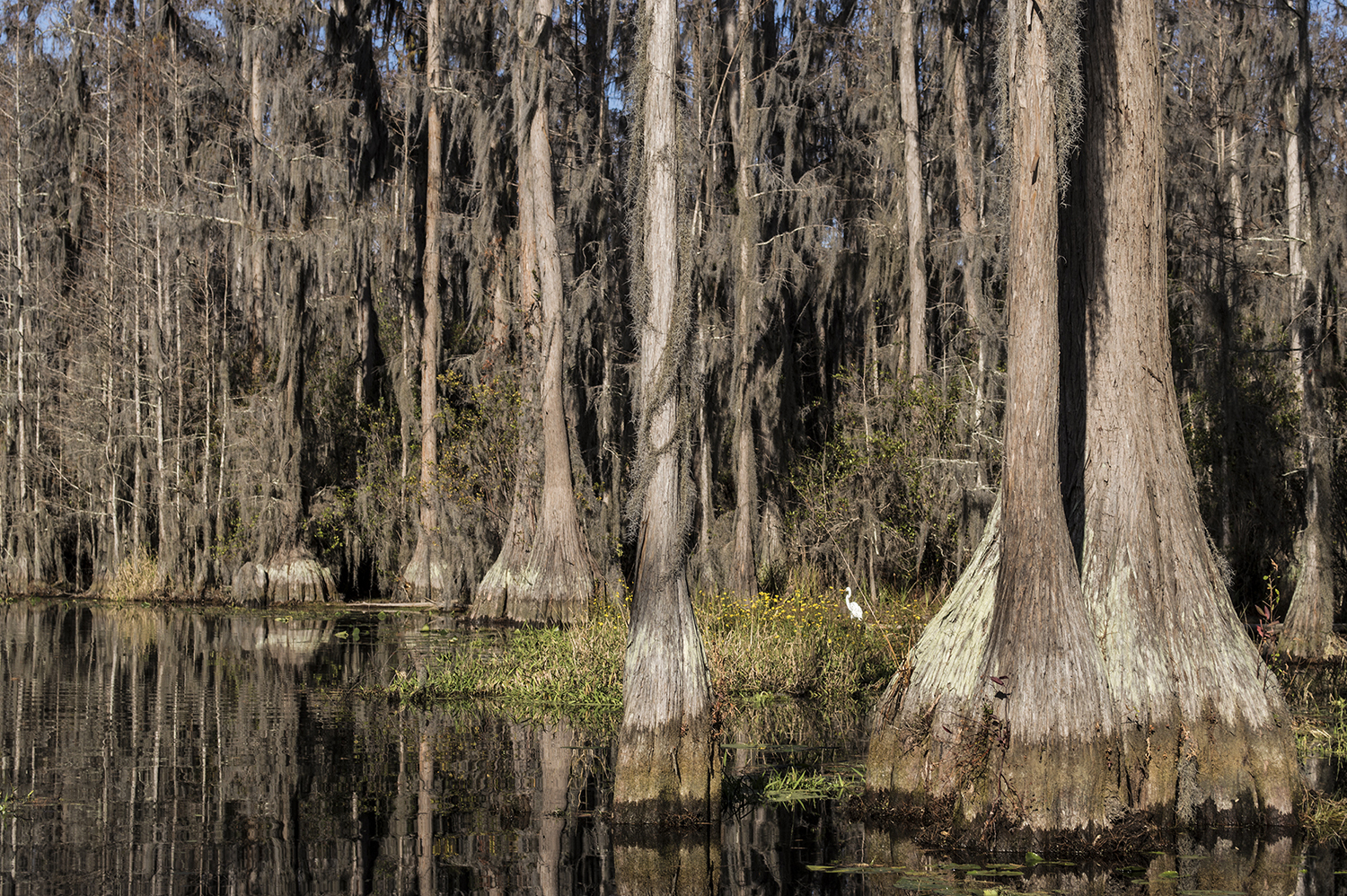
Taxodium distichum
Provides essential perching and habitat in swampy areas.
_Sabine_Woods_TX_2018-04-21_08-32-57_(28100602238).jpg&width=800)
Protonotaria citrea
Insectivorous birds prey on adult dragonflies.
Marked with parallel bands or lines of color.
Solitary animals live alone for most of their lives, only interacting with others for mating or parental care.
Aerial creatures spend a significant portion of their lives airborne, utilizing flight for various activities such as hunting, migration, or nesting.
Colorful describes organisms or objects displaying a wide range of bright and distinct colors.

This trait identifies organisms whose diet primarily consists of insects and other small invertebrates.

This habitat trait identifies species found in wetlands, which are areas of land saturated with water, either permanently or seasonally, including marshes, swamps, and bogs.

Diurnal animals are primarily active during daylight hours, typically resting or sleeping at night.

Freshwater habitats include non-saline aquatic environments such as rivers, lakes, ponds, and wetlands, vital for numerous species.

This trait identifies organisms that exhibit exceptional swiftness in movement for hunting, escape, or travel.

Describes organisms that transfer pollen, enabling the fertilization and reproduction of plants.
No aliases listed yet.
Danger
1/5 · Very low
Dragonflies are harmless, but it's best to watch them from a distance.
The easiest way to identify Cypress Clubtail is to use the Snappit nature identifier app.
50-70 mm
32-40 mm
30-90 days
30-40 km/h
This dragonfly is an aerial hunter, preying on many small insects both in the air and underwater!
Wetlands
Pursuit
Zoom in to split clusters and explore where this object has been snapped.
Recent snaps will appear here as new observations are added.
Take the discovery with you
Snap it with Snappit to identify it, learn what makes it special, and add the discovery to your collection.








.jpg&width=800)



