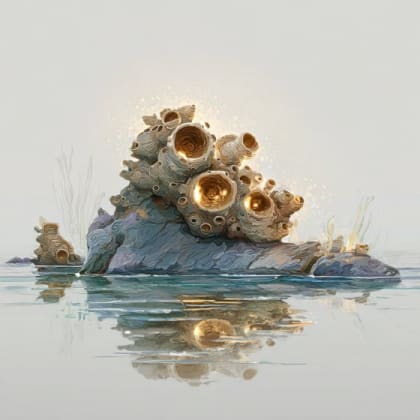
Ostracod
ostracod environmental sample
Ostracods are tiny creatures that live in water. They have hard shells like armor and come in many colors. Some ostracods even glow in the dark!
Habitat: Aquatic
The Ostracod is a tiny, often translucent or greenish-brown crustacean, encased within a two-part shell that resembles a miniature clam or seed. Its smooth or bristly carapace completely covers its body, making it look like a moving speck.
Category
InvertebrateRarity
Common
Danger
1/5 · Very low
Snaps
Be the first to snap!
Certain female ostracods can reproduce all by themselves, creating only female babies!
Even though tiny, they live in almost every water body, from oceans to puddles!
Fossil ostracods are older than dinosaurs, existing for over 500 million years!
Some ostracods can dry out for years, only to revive when water returns!
Ostracod can emit bright blue light from its body that helps them distract predators or attract mates.
Ostracod has a hard, clam-like shell that helps them protect their soft body from being eaten by larger animals.
Ostracod can produce eggs that remain dormant for years, helping them survive droughts and harsh environments.
Ostracods eat tiny plants, decaying bits, or even smaller animals, using their feathery legs.
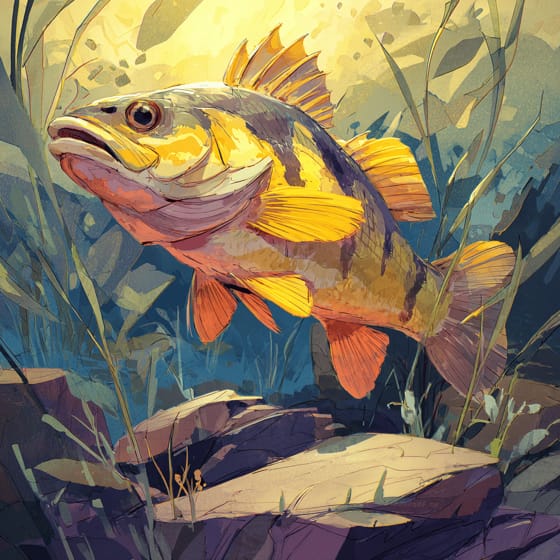
Perca flavescens
key food for juvenile perch.
Gambusia affinis
a common food for small fish.
Hydra vulgaris
tiny polyps ambush and consume them.
This trait identifies organisms whose diet includes both plant and animal matter.
Filter feeders obtain nutrients by straining suspended food particles and small organisms from water.
This trait signifies organisms belonging to a very old evolutionary group with ancestors dating back millions of years.
Describes a species whose presence and role have a disproportionately large effect on its environment.

Pertaining to species that are significantly smaller than typical or average for their kind.

Aquatic habitats encompass environments where organisms live predominantly in water, including oceans, rivers, lakes, and wetlands.
Pertaining to organisms that emit light through bioluminescence or fluorescence.

Nocturnal animals are primarily active during the nighttime hours, typically resting or sleeping during the day.
No aliases listed yet.
Danger
1/5 · Very low
If you see ostracods in the water, observe them from a safe distance and don't disturb their habitat.
The easiest way to identify Ostracod is to use the Snappit nature identifier app.
0.2-2 mm
20-120 days
Ostracods eat tiny plants, decaying bits, or even smaller animals, using their feathery legs.
Aquatic
Foraging
6
Zoom in to split clusters and explore where this object has been snapped.
Recent snaps will appear here as new observations are added.
Take the discovery with you
Snap it with Snappit to identify it, learn what makes it special, and add the discovery to your collection.