




overcup oak
Quercus lyrata
The overcup oak is a strong tree that loves to grow near water. Its acorns are a tasty treat for many animals, and its big leaves provide shade on hot days.
Habitat: Wetlands
The overcup oak has distinctive, deeply lobed leaves that are dark green above and silvery white underneath. Its gray-brown bark can be flaky, and its unique acorns are almost entirely covered by a warty, fringed cap, giving it its name.
Category
TreesRarity
Common
Danger
1/5 · Very low
Snaps
2
Early American settlers sometimes used its strong wood to build parts of ships!
Its acorns actually float, helping the tree send its seeds to new places during floods!
The unique 'overcup' name comes from its acorn looking like it's wearing a funny hat!
This mighty oak can grow in swamps where many other trees would simply drown!
The overcup oak can thrive in watery soil because its roots are specially adapted to handle floods and wet conditions.
Its acorn has a cap that nearly covers the whole nut, which might help protect it from some hungry animals.
Overcup oak has incredibly dense and strong wood, making the tree tough and long-lasting against storms.
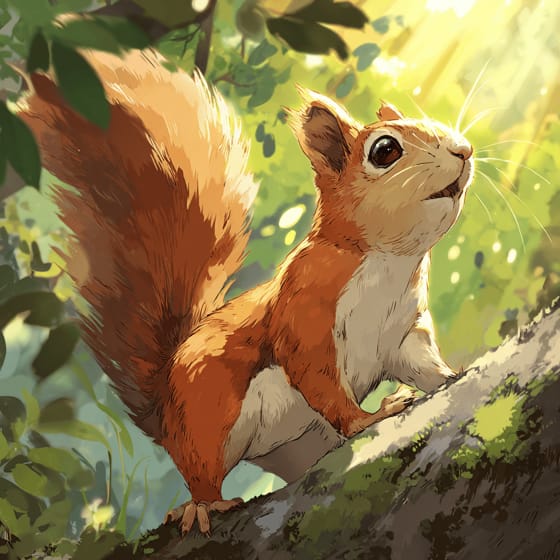
Sciurus carolinensis
Acorns are a favorite food for many forest animals.
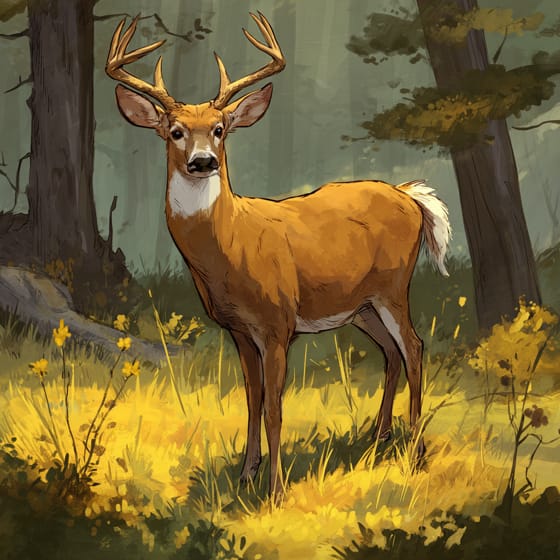
Odocoileus virginianus
Deer browse on its leaves and young twigs.
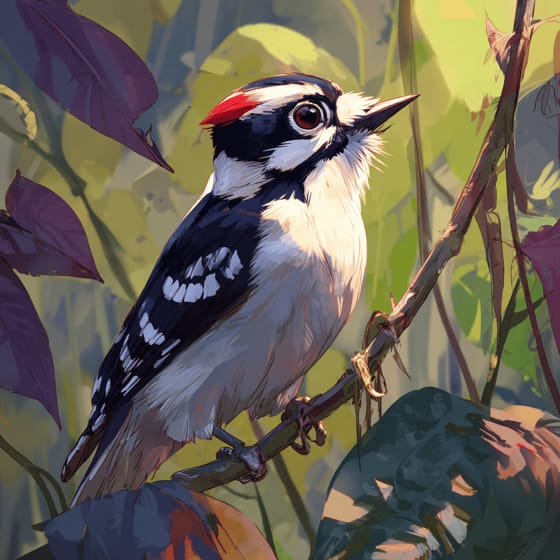
Dryobates pubescens
Nests and finds insects on its sturdy branches.
Meleagris gallopavo
Turkeys gobble up the acorns found on the ground.
Deciduous plants periodically shed all their leaves, typically during autumn or dry seasons.
Broadleaf trees are angiosperms characterized by flat, wide leaves that are typically shed annually in temperate climates.
Nut bearing plants produce hard-shelled fruits, commonly known as nuts, which contain a single seed and are a valuable food source.
Fall color refers to the seasonal change in foliage pigmentation, primarily in deciduous plants, displaying vibrant hues.
Timber refers to wood that has been prepared for use in building and carpentry.

Forest habitats are terrestrial environments dominated by dense tree cover, supporting a high diversity of plant and animal life.

This habitat trait identifies species found in wetlands, which are areas of land saturated with water, either permanently or seasonally, including marshes, swamps, and bogs.

Describes a species whose presence and role have a disproportionately large effect on its environment.
No aliases listed yet.
Danger
1/5 · Very low
Stay safe by not climbing too high in trees.
The easiest way to identify overcup oak is to use the Snappit nature identifier app.
18-30 m
12-18 m
Yes
60-90 cm
100-200 years
Wetlands
Acorn (Nut)
Zoom in to split clusters and explore where this object has been snapped.

Maryland, US
You might spot Duck, Red-Winged Blackbird, and American Bullfrog.
View guide →

Georgia, US
You might spot American Beautyberry, Muscadine, and Virginia Creeper.
View guide →

North Carolina, US
You might spot Pine, Sequoia, and Black Locust.
View guide →

Georgia, US
You might spot American Beautyberry, Muscadine, and Virginia Creeper.
View guide →
Take the discovery with you
Snap it with Snappit to identify it, learn what makes it special, and add the discovery to your collection.








