

Pacific Banana Slug
ariolimax columbianus
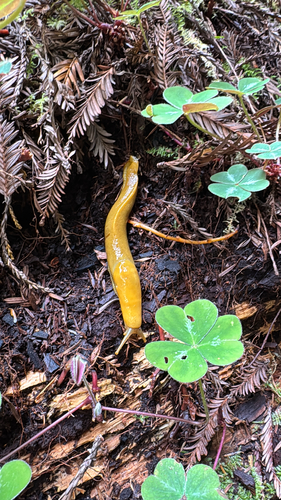
The Pacific Banana Slug (Ariolimax columbianus) is a captivating and iconic mollusk native to the Pacific Northwest of North America. Renowned for its often vibrant yellow coloration, resembling a ripe banana, this large terrestrial slug plays a crucial role as a decomposer in its forest ecosystem. It contributes significantly to nutrient cycling by breaking down decaying plant and animal matter, fungi, and detritus, making nutrients available for other organisms. Beyond its ecological importance, the banana slug exhibits several intriguing biological characteristics. It is a hermaphrodite, possessing both male and female reproductive organs, and navigates its environment using a muscular foot that produces a thick, lubricating, and protective slime. Its presence often indicates a healthy, moist forest floor, making it a beloved symbol of the region's lush biodiversity.
Habitat: Found in moist coastal coniferous forests, often on the damp forest floor among ferns and decaying logs.
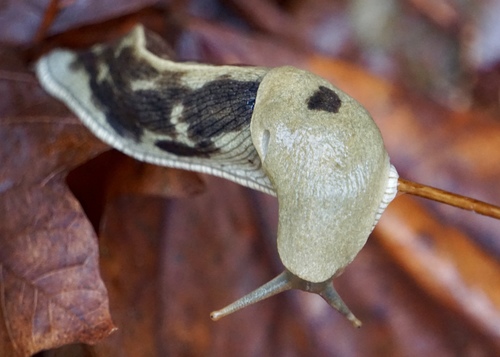
The Pacific Banana Slug is one of the largest terrestrial slugs in the world, typically ranging from 15 to 25 centimeters (6-10 inches) in length. Its body color can vary widely, from a distinctive bright yellow (hence the 'banana' moniker) to greenish-yellow, brown, or even white, often with brown or black spots that can make it appear mottled. It has a single, large muscular foot for locomotion, two pairs of retractable tentacles on its head: a longer upper pair with eyespots for light detection and a shorter lower pair for chemical sensing. A saddle-shaped mantle covers the front part of its back, housing its breathing pore (pneumostome) on the right side.
Category
InvertebrateRarity
Common
Danger
1/5 · Very low
Snaps
13
Banana slugs play a crucial role in seed dispersal in their forest habitats. They consume seeds, which pass through their digestive system unharmed, and are then deposited in their droppings, often far from the parent plant.
Its slime is not only a lubricant but also contains chemicals that act as a natural anesthetic, which can numb the tongue of a predator and allow the slug to escape.
The Pacific Banana Slug is the second-largest species of slug in the world, surpassed only by the Limax cinereoniger (Giant Ash-grey Slug) of Europe.
Banana slugs produce a thick, sticky mucus that serves multiple purposes: aiding locomotion, deterring predators, preventing dehydration, and even acting as an anesthetic for potential food items.
These slugs can change their body coloration to match their environment, allowing them to camouflage effectively against leaves, soil, or moss. This color change can also be influenced by diet, light exposure, and overall health.
As simultaneous hermaphrodites, Pacific Banana Slugs possess both male and female reproductive organs. While they typically mate with another slug, they are capable of self-fertilization if a partner cannot be found, ensuring reproductive success.
The Pacific Banana Slug is primarily a detritivore, consuming decaying organic matter. It plays a vital role in forest ecosystems by breaking down dead plant and animal material.
Thamnophis sirtalis
Banana slugs are a food source for various forest animals.
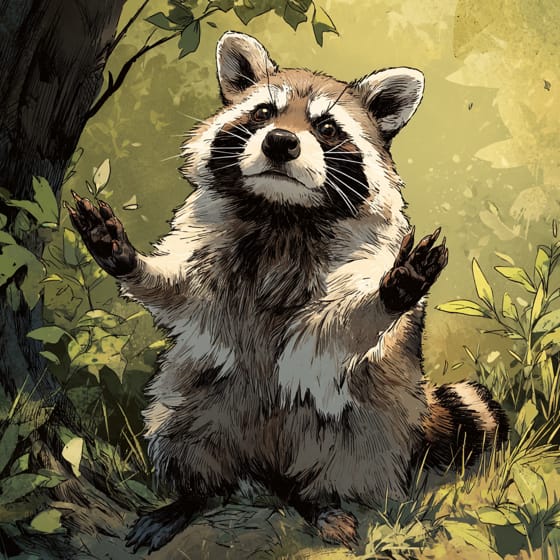
Procyon lotor
Banana slugs are a food source for various forest animals.
Various fungal species
Banana slugs consume and digest fallen organic matter, aiding in nutrient recycling.
Various plant species
Banana slugs can ingest seeds and deposit them elsewhere in their droppings, contributing to plant dispersal.
No trait badges are assigned for this object yet.
No aliases listed yet.
Collections for this object will appear here as more themes are added.
Danger
1/5 · Very low
No special safety notes yet.
The easiest way to identify Pacific Banana Slug is to use the Snappit nature identifier app.
15-25 cm
0.05-0.15 kg
up to 7 years
The Pacific Banana Slug is primarily a detritivore, consuming decaying organic matter. It plays a vital role in forest ecosystems by breaking down dead plant and animal material.
Found in moist coastal coniferous forests, often on the damp forest floor among ferns and decaying logs.
Foraging
10-75
Zoom in to split clusters and explore where this object has been snapped.
May 24, 2026
Redwood National and State ParksPhoto attribution
no rights reserved
License: CC0 1.0 ↗
Image may be shown cropped inside the card frame.

Washington, US
You might spot Pacific Banana Slug and Oregon Forestsnail.
View guide →

Alaska, US
You might spot Bald Eagle, Salmonberry, and Ochre Sea Star.
View guide →

US
You might spot Variable Carpet Moth, Bald Eagle, and Red Huckleberry.
View guide →
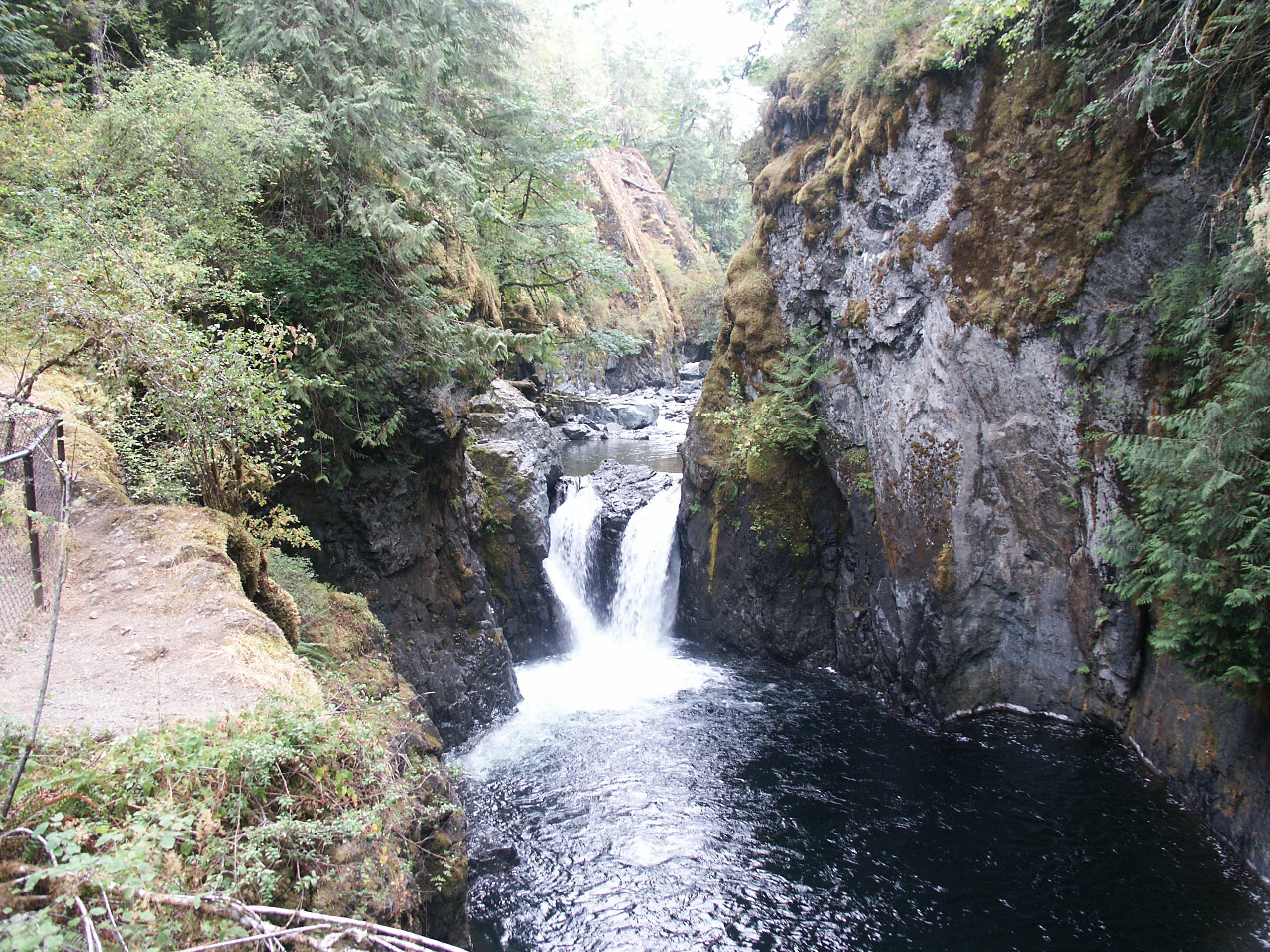
British Columbia, CA
You might spot Vanilla Leaf, Western Maidenhair Fern, and Salal.
View guide →

California, US
You might spot Pacific Banana Slug and Ensatina.
View guide →

Washington, US
You might spot Pacific Tree Frog, Pacific Banana Slug, and Salal.
View guide →
Take the discovery with you
Snap it with Snappit to identify it, learn what makes it special, and add the discovery to your collection.