





Pacific oak fern
Gymnocarpium disjunctum
The Pacific oak fern is a lovely green plant that grows in shady places. Its delicate leaves look like tiny fans and can be found in forests and along trails.
Habitat: Forests
The Pacific oak fern has delicate, bright green fronds that are distinctly triangular and deeply cut, resembling tiny oak leaves. Its fronds grow individually from a creeping stem, creating a lacy, almost floating appearance close to the forest floor.
Category
PlantsRarity
Common
Danger
1/5 · Very low
Snaps
1
Ferns are ancient plants, growing on Earth for millions of years before even dinosaurs appeared!
Ferns like this one don't have seeds; they reproduce with tiny, dust-like spores!
It's called 'oak fern' because its leaf shape reminds people of tiny oak tree leaves!
This fern unrolls its new leaves in spring from tight coils called 'fiddleheads.'
Pacific oak fern releases millions of microscopic spores from its fronds to spread and create new ferns without needing seeds.
This fern has a creeping underground stem (rhizome) that allows it to spread widely and colonize new damp soil.
Pacific oak fern thrives in dim light, using its specialized leaves to efficiently capture the weak sunlight under dense tree canopies.
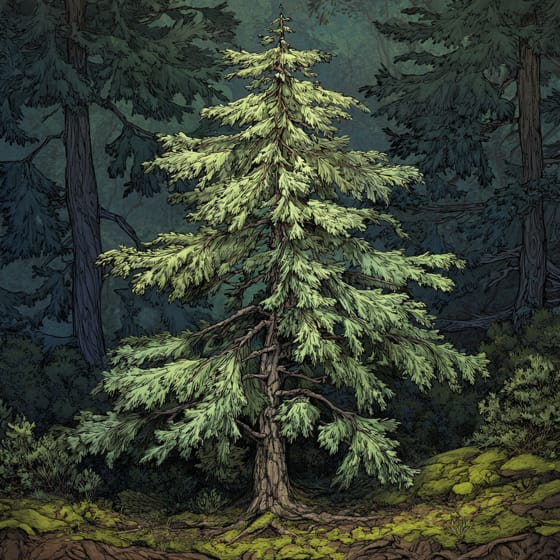
Tsuga heterophylla
Often grows beneath its dense canopy.
Pseudotsuga menziesii
Thrives in its protective shade.
Oxalis oregana
Frequently found growing alongside it on the forest floor.
Deciduous plants periodically shed all their leaves, typically during autumn or dry seasons.
Shade tolerant plants are adapted to grow and thrive in areas with low light levels, requiring less direct sunlight.
Cold hardy plants are able to withstand low temperatures and freezing conditions without significant damage.
Spore-producing organisms reproduce by releasing small, often single-celled, reproductive units called spores.

This trait signifies organisms belonging to a very old evolutionary group with ancestors dating back millions of years.

Forest habitats are terrestrial environments dominated by dense tree cover, supporting a high diversity of plant and animal life.

Endangered status indicates a species is at a very high risk of extinction in the wild in the near future.
No aliases listed yet.
Danger
1/5 · Very low
Always look but don't touch plants unless you know they are safe.
The easiest way to identify Pacific oak fern is to use the Snappit nature identifier app.
10-40 cm
15-30 cm
No
None
Perennial
Forests
Zoom in to split clusters and explore where this object has been snapped.

Washington, US
You might spot Devil's Club, Scouler's Corydalis, and Pacific Banana Slug.
View guide →

British Columbia, CA
You might spot Western Columbine and Mountain Lady's-Slipper.
View guide →
Take the discovery with you
Snap it with Snappit to identify it, learn what makes it special, and add the discovery to your collection.







.jpg&width=800)



_001.jpg&width=800)



