




Bread Wheat
Triticum aestivum
Bread wheat is a special plant that people grow to make bread. It has long green stems and golden grains that are harvested in the summer. Wheat is an important food for many people around the world!
Habitat: Grasslands
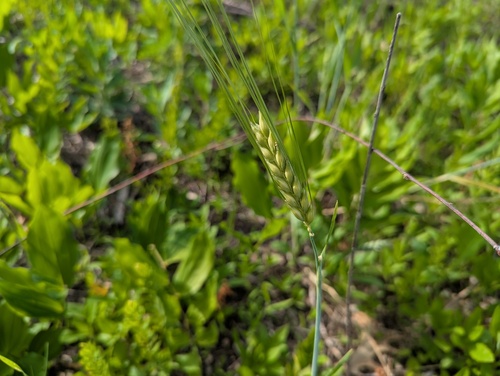
The Bread Wheat is a tall grass with slender, green leaves and golden-brown seed heads (spikes) when mature. Its distinctive compact, rectangular spikes are filled with plump grains, making it look different from many wild grasses.
Category
PlantsRarity
Common
Danger
1/5 · Very low
Snaps
1
One tiny wheat seed can grow into a plant that feeds many people!
Scientists made bread wheat extra strong by carefully mixing ancient wheats.
The straw leftover after harvest can be used to build houses!
Wheat crops help keep soil healthy by stopping it from blowing away.
Bread Wheat has feather-like stigmas and light pollen that help it catch wind for pollination.
Its compact seed head tightly protects many individual grains, keeping them safe until harvest.
Bread wheat has a dense root system that helps anchor it firmly and efficiently absorb water and nutrients.
Sitophilus granarius
Feeds on stored grains.
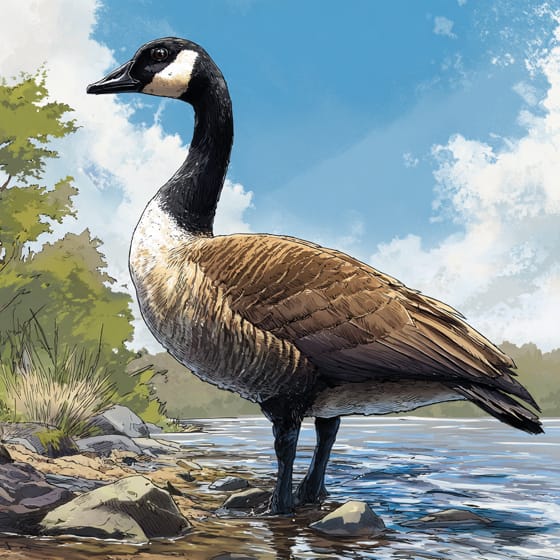
Branta canadensis
Grazes on young shoots.
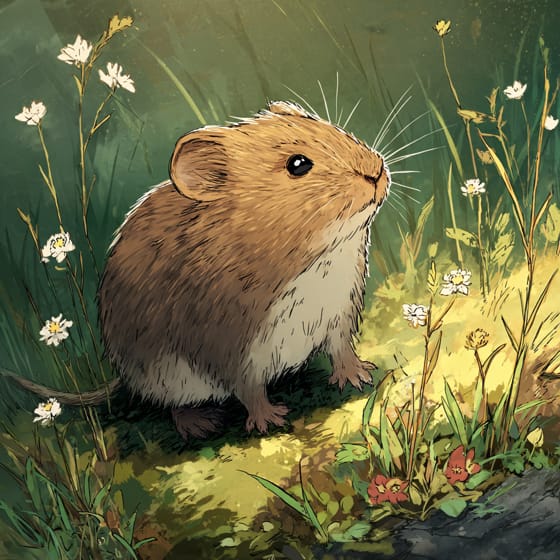
Microtus arvalis
Consumes stems and grains.
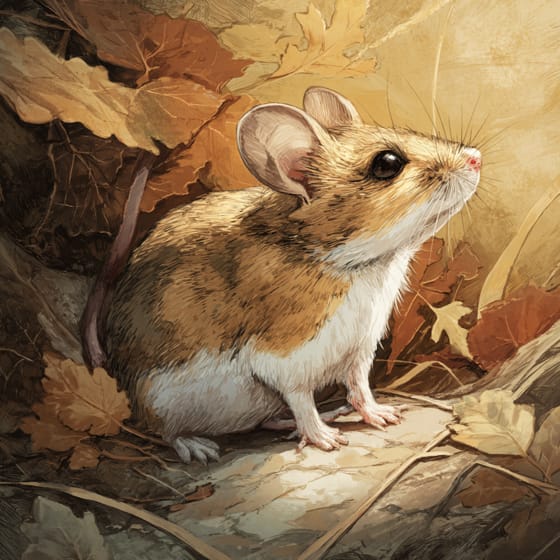
Peromyscus maniculatus
Hides and nests in fields.
Flowering plants are any plants that produce flowers as part of their reproductive cycle.
Grass-like plants are herbaceous plants that visually resemble true grasses, typically having long, narrow leaves.
This human use trait denotes species cultivated as grain crops, harvested for their edible dry seeds (grains), which are a staple food source.
This human use trait describes species cultivated or domesticated by humans for agricultural purposes, including crops and livestock.

Edible plants are those parts of a plant that are considered safe for human consumption.

Grassland habitats are terrestrial biomes dominated by grasses and herbaceous plants, supporting a variety of grazing animals.

Rapid growing plants exhibit accelerated growth rates, quickly increasing in size and biomass within a short period.

This trait signifies organisms belonging to a very old evolutionary group with ancestors dating back millions of years.

Domesticated refers to species that have been selectively bred and tamed by humans for specific purposes.
No aliases listed yet.
Danger
1/5 · Very low
Always wash your hands after touching plants, and don't eat anything you find outside without asking an adult.
The easiest way to identify Bread Wheat is to use the Snappit nature identifier app.
60-100 cm
10-20 cm
0.2-0.5 cm
Summer
Yes
None
Annual
Zoom in to split clusters and explore where this object has been snapped.
May 28, 2026
Dresden Island Lock and Dam Historic DistrictPhoto attribution
(c) Ryan Sorrells, some rights reserved (CC BY)
License: CC BY 4.0 ↗
Image may be shown cropped inside the card frame.
Take the discovery with you
Snap it with Snappit to identify it, learn what makes it special, and add the discovery to your collection.








.jpg&width=800)



_001.jpg&width=800)



