





bristle thistle
Cirsium horridulum
The bristle thistle is a spiky plant that grows tall and proud. Its bright purple flowers attract butterflies and bees, making it a favorite in gardens and fields.
Habitat: Grasslands
The bristle thistle is a robust plant with large, deeply lobed leaves covered in sharp spines, making it very distinctive. Its flowers are typically bright yellow or purplish, nestled within a crown of spiny bracts, standing out in sunny areas.
Category
PlantsRarity
Common
Danger
2/5 · Low
Snaps
22
Even though it's spiky, its roots and young stems can be cooked and eaten by people!
Many types of butterflies and bees love to sip nectar from its bright, colorful flowers.
The 'horridulum' in its scientific name actually means 'bristly' or 'prickly' in Latin!
This plant can act as a nurse plant, providing shelter for smaller seedlings underneath its spiny leaves.
Bristle thistle has sharp spines covering its leaves and stems that help it defend against hungry animals trying to eat it.
Bristle thistle can grow a long taproot deep into the soil to help it find water during dry spells and stay firmly anchored.
Bristle thistle produces fluffy seeds with parachute-like structures that help them catch the wind and spread far away.
Apis mellifera
collects nectar and pollen
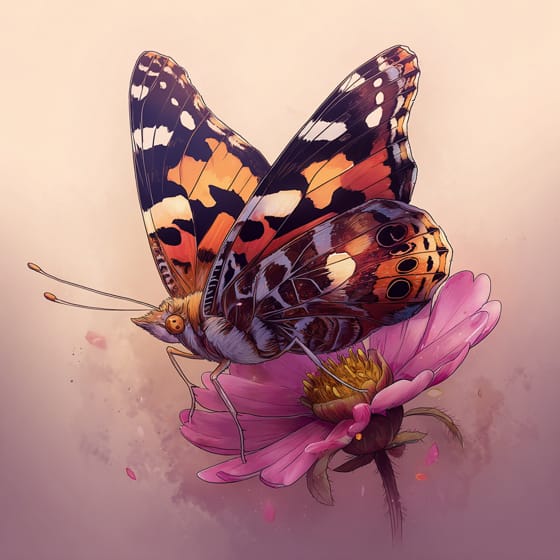
Vanessa cardui
caterpillars feed on leaves
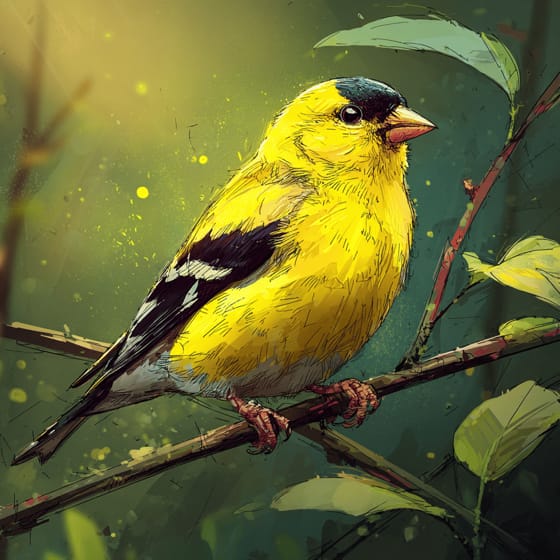
Carduelis tristis
feasts on mature seeds
Bombus impatiens
visits flowers for nectar
Flowering plants are any plants that produce flowers as part of their reproductive cycle.
Biennial plants complete their life cycle over two growing seasons, typically forming foliage in the first year and flowering/seeding in the second.
Summer blooming plants produce their flowers during the summer season, often providing vibrant color when many other plants have finished.
Colorful describes organisms or objects displaying a wide range of bright and distinct colors.

Grassland habitats are terrestrial biomes dominated by grasses and herbaceous plants, supporting a variety of grazing animals.

Describes plants that are particularly attractive and beneficial to a wide range of pollinating organisms.

Possessing sharp, pointed projections or spines on the body or surface.
No aliases listed yet.
Danger
2/5 · Low
Don't touch the sharp leaves without adult help!
The easiest way to identify bristle thistle is to use the Snappit nature identifier app.
30-150 cm
30-90 cm
2-5 cm
Spring to Summer
Yes
None
Biennial
Zoom in to split clusters and explore where this object has been snapped.

US
You might spot Firewheel, Domestic Horse, and Atlantic Horseshoe Crab.
View guide →

Alabama, US
You might spot Eastern Box Turtle, Carolina Wren, and Field Sparrow.
View guide →

Arkansas, US
You might spot Pear-Shaped Puffball and American Beautyberry.
View guide →

Louisiana, US
You might spot Rough Horsetail, Northern Mockingbird, and Anole.
View guide →

Georgia, US
You might spot American Beautyberry, Muscadine, and Virginia Creeper.
View guide →

Alabama, US
You might spot Green Treefrog, Anole, and Thin-Walled Maze Polypore.
View guide →
Take the discovery with you
Snap it with Snappit to identify it, learn what makes it special, and add the discovery to your collection.








.jpg&width=800)



_001.jpg&width=800)




