



Pacific Sideband
Monadenia fidelis
The Pacific Sideband is a colorful snail that lives in damp places. It has a beautiful shell with stripes and loves to munch on leaves and plants.
Habitat: Forests
The Pacific Sideband is a large, colorful land snail with a shell typically ranging from yellow to dark brown, often featuring a distinct reddish-brown band along its outer edge. Its soft body is usually dark grey to black, contrasting with the vibrant, often glossy shell. Unlike many common snails, its shell is particularly striking in its varied coloration.
Category
InvertebrateRarity
Common
Danger
1/5 · Very low
Snaps
20
It builds its shell from calcium it finds in the dirt and rocks!
Its incredible slime trail helps it stick to surfaces, even upside down!
The Pacific Sideband's shell color and band can change based on its diet!
This snail can live for several years, slowly exploring its forest home.
Pacific Sideband can glide across rough surfaces because it secretes a slimy mucus trail that helps it move and stay hydrated.
Pacific Sideband has a sturdy, spiral shell that helps it hide from predators and protect its soft body from damage.
Pacific Sideband can survive dry periods by retreating into its shell and sealing the opening, waiting for wetter conditions.
Pacific Sideband can build and repair its strong shell because it extracts calcium from the soil and its diet.
This snail enjoys munching on decaying plants and fungi, helping to recycle nutrients!
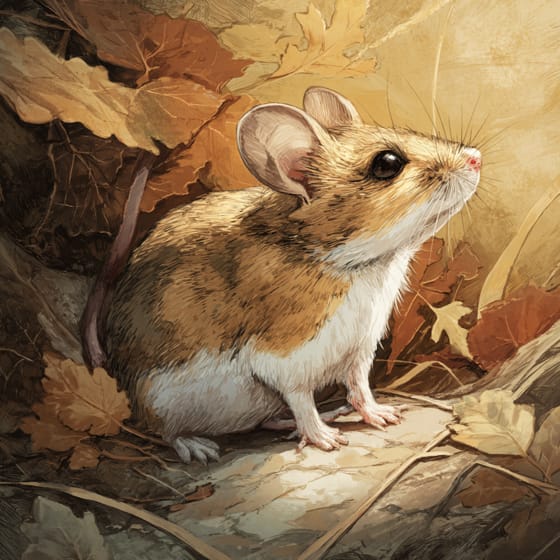
Peromyscus maniculatus
Rodents crack open snail shells for a meal.
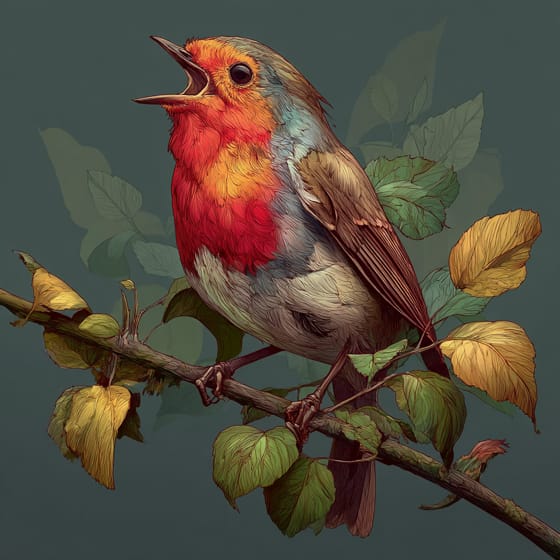
Turdus migratorius
Birds often smash snail shells on rocks to eat them.
Thamnophis sirtalis
Snakes are known to prey on slow-moving snails.
Marked with parallel bands or lines of color.
Solitary animals live alone for most of their lives, only interacting with others for mating or parental care.
Colorful describes organisms or objects displaying a wide range of bright and distinct colors.
This trait characterizes organisms whose diet consists entirely or primarily of plant material.

Describes organisms that break down dead organic material, recycling nutrients back into the ecosystem.

Forest habitats are terrestrial environments dominated by dense tree cover, supporting a high diversity of plant and animal life.

Nocturnal animals are primarily active during the nighttime hours, typically resting or sleeping during the day.
No aliases listed yet.
Danger
1/5 · Very low
Be gentle if you see a snail, and don't pick it up unless you have permission!
The easiest way to identify Pacific Sideband is to use the Snappit nature identifier app.
25-45 mm
1095-1825 days
This snail enjoys munching on decaying plants and fungi, helping to recycle nutrients!
Forests
Foraging
0
Zoom in to split clusters and explore where this object has been snapped.
British Columbia, CA
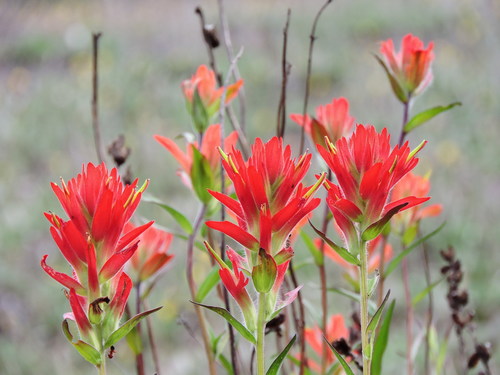
You might spot Giant Red Paintbrush, Lupines, and Broadleaf Arnica.
View guide →

Washington, US
You might spot Wood Duck, Rough-Skinned Newt, and Pacific Trillium.
View guide →

Oregon, US
You might spot Bald Eagle, Golden Eagle, and Snowy Owl.
View guide →

Oregon, US
You might spot Rough-Skinned Newt and Pacific Banana Slug.
View guide →

Washington, US
You might spot Broad-Leaved Stonecrop and Western Sword Fern.
View guide →

Oregon, US
You might spot Pacific Trillium, Pacific Banana Slug, and Dark-Eyed Junco.
View guide →
Take the discovery with you
Snap it with Snappit to identify it, learn what makes it special, and add the discovery to your collection.