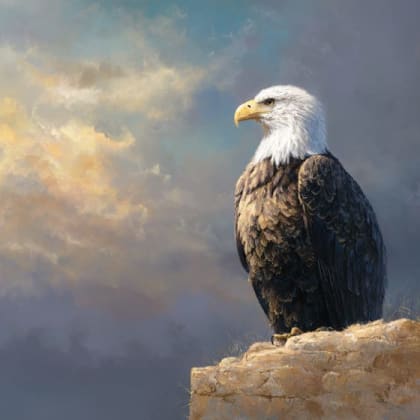





Bald Eagle

Cascades Raptor Center is a unique wildlife hospital and nature center dedicated to the majestic birds of prey.
Cascades Raptor Center is a unique wildlife hospital and nature center dedicated to the majestic birds of prey. This special place offers an intimate look at raptors, fostering a deep connection between people and these powerful avian predators through rehabilitation and public education. Nestled on a wooded hillside in Eugene, Oregon, the center provides a serene and natural environment that feels more like a nature walk than a typical attraction.
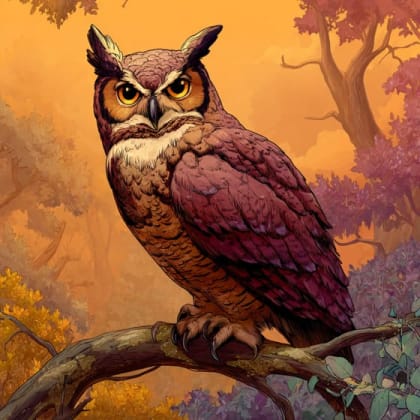
The center is home to over 30 permanent avian ambassadors, representing nearly every major branch of the raptor family tree native to the Pacific Northwest. Visitors can encounter magnificent Bald Eagles, the striking Snowy Owl named Echo, the imposing Eurasian Eagle-Owl known as Dmitri, and the intelligent Turkey Vulture, Lethe. Each bird has a unique story of rescue and rehabilitation, with informative placards detailing their journey and species, making every aviary a compelling learning experience.
A visit to Cascades Raptor Center is an engaging and educational journey for all ages, designed to instill a sense of responsibility for the environment and a commitment to wildlife conservation. The opportunity to observe these incredible birds up close, often far closer than in the wild, creates memorable encounters and a profound appreciation for their vital role in our ecosystem. It's a place where meaningful connection with nature takes flight. Don't forget to bring the Snappit nature identification app along to scan local species.
The Cascades Raptor Center was founded in 1987 by Louise Shimmel, beginning as a personal dream to create a specialized center for birds of prey. Initially, Shimmel operated the wildlife rehabilitation and education efforts from her home, often taking birds to schools and public events. The organization officially incorporated as a nonprofit in 1990. In early 1994, the center moved to its current location on Spencer's Butte in Eugene, which allowed it to open its doors to the public. Since then, the Cascades Raptor Center has focused on two primary missions: the rehabilitation of sick, injured, and orphaned raptors with the goal of returning them to the wild, and providing a long-term, caring home for those birds whose injuries prevent their release. These resident birds become invaluable educational ambassadors, helping to connect thousands of visitors each year with the world of raptors.
Stroll through the natural, wooded grounds to observe the birds in their spacious enclosures. Take time to read the stories of each raptor and understand their unique backgrounds. Visit the small gift shop and, if available, peer into the window of the wildlife hospital to glimpse the rehabilitation work in progress.
As the nature center is entirely outdoors, visitors should dress appropriately for the weather, considering that temperatures can be 3-5 degrees cooler than in downtown Eugene. Sturdy walking shoes are recommended for the gravel paths. The center may close temporarily during hazardous conditions like heavy ice, snow, or poor air quality, so it's advisable to check their website or social media for updates. Flight show seasons typically begin in the summer months.
Accessibility is limited due to the center's location on a steep, varied terrain with gravel paths, some reaching a 15-degree grade. Motorized wheelchairs may manage better than manual ones, but not all areas are fully accessible. There is one designated disabled parking space. For the safety and well-being of the resident birds, no pets or service animals are permitted on site, even in parked vehicles, as they can disturb the raptors.
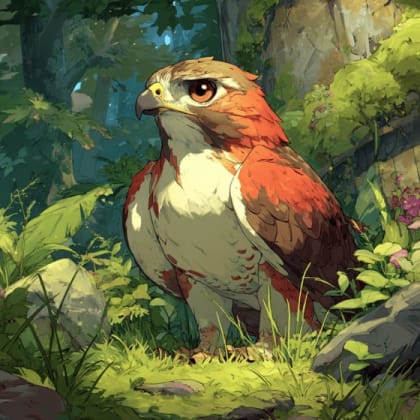
The primary attraction is the collection of resident raptors housed in outdoor aviaries. Each aviary features detailed signage explaining the individual bird's story and species information. Don't miss the chance to see iconic species like Bald Eagles, Snowy Owls, and various hawks and falcons. Informal "raptor encounters" provide opportunities for closer views and educational insights, so check the daily schedule upon arrival.
Each card links to a full Explore page with photos, traits, and fun facts.
Start with the big picture, then zoom in to explore individual wildlife observations around this place.
Dress for the outdoors
** The center is completely exposed to the elements, so wear layers and sturdy walking shoes, especially since temperatures can be cooler than in town and paths are gravel.
Bring a good camera
Photography is encouraged, but using a camera with manual focus can help achieve clearer shots through the aviary screens. Remember not to lean on the aviaries.
Check for daily programs
Upon arrival, inquire about the schedule for raptor encounters or handler talks, which offer closer interactions and educational opportunities.
Visit in the morning
If you're visiting outside of peak program season, mornings often provide the best chance to observe trainers working with the birds.
Plan for parking
The main parking lot is small and can fill quickly. Overflow parking is available across the street on the shoulder of Christensen Road.
Explore the area
Consider combining your visit with a hike on the nearby Ridgeline Trail system for a full day of nature exploration.
Jun 7, 2026
Jun 7, 2026
Jun 6, 2026
Jun 6, 2026
Jun 6, 2026

Michigan, US
You might spot African Lion, Komodo Dragon, and Brown Bear.
View guide →
.jpg)
Municipal District of Cobh, IE
You might spot Ring-Tailed Lemur, Giraffes, and Cheetahs.
View guide →

Nouvelle-Aquitaine, FR
You might spot Greater Flamingo, Giraffes, and Red Panda.
View guide →

Texas, US
You might spot Giraffes, African Lion, and Eastern Black Rhinoceros.
View guide →
Take the discovery with you
Identify the wildlife you spot, learn as you go, and keep a collection of the adventure.