.jpg&width=800)





Palmate Newt
Lissotriton helveticus
The Palmate Newt is a small, friendly creature that loves to swim and explore ponds. With its bright colors and wiggly tail, it's a fun animal to watch in the water!
Habitat: Wetlands
The Palmate Newt has a slender, brownish body with a yellowish to orange belly, often dotted with small dark spots. Breeding males develop distinct webbed hind feet and a thin filament extending from their tail, making them easily distinguishable from other newt species.
Category
AmphibiansRarity
Common
Danger
1/5 · Very low
Snaps
Be the first to snap!
Female newts are very careful, laying each tiny egg individually on a leaf.
Males grow special 'palms' on their feet only when they are looking for a mate!
Palmate Newts can live almost their entire life in or very close to water!
They spend cold winters hibernating in cozy log piles or hidden underground!
Palmate Newt can breathe underwater through its permeable skin, helping it absorb oxygen directly from the water.
Palmate Newt has the incredible ability to regrow lost limbs, tails, and even eye parts, helping it survive injuries.
Palmate Newt males grow webbed hind feet and a tail filament during breeding season that helps them swim and attract mates.
These newts feast on small insects, larvae, and tiny water creatures like aquatic worms.
Age differences: Larvae eat microscopic aquatic organisms; adults hunt larger invertebrates.
Culex pipiens
A primary food source for newt larvae and adults.
Daphnia magna
Tiny crustaceans, an important food for young newts.
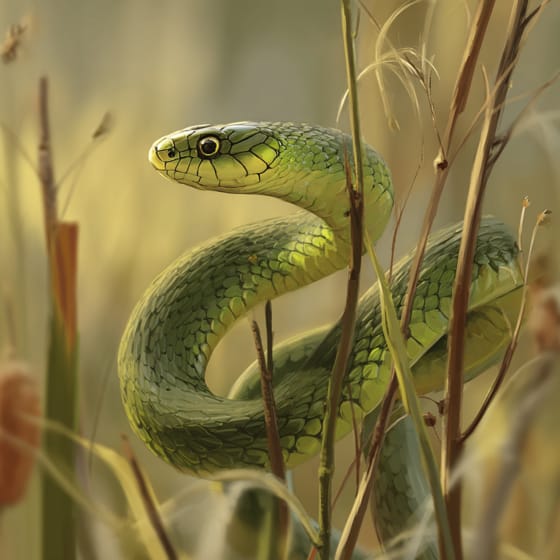
Natrix natrix
An opportunistic predator of adult newts and juveniles.
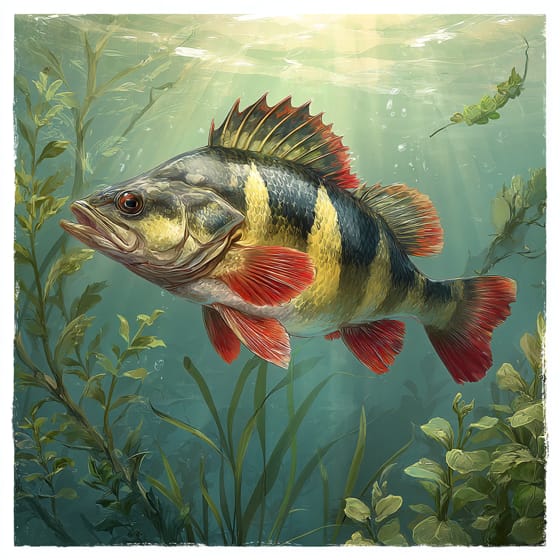
Perca fluviatilis
Fish preying on newt larvae and sometimes adults.
Characterized by having toes connected by a membrane, typically aiding in swimming.
Social animals live in organized groups, cooperating for survival benefits such as foraging, defense, and raising offspring.
Colorful describes organisms or objects displaying a wide range of bright and distinct colors.
This trait identifies organisms whose diet primarily consists of insects and other small invertebrates.

This habitat trait identifies species found in wetlands, which are areas of land saturated with water, either permanently or seasonally, including marshes, swamps, and bogs.

Diurnal animals are primarily active during daylight hours, typically resting or sleeping at night.

Regenerative organisms possess the ability to regrow lost or damaged body parts, tissues, or organs.

Aquatic habitats encompass environments where organisms live predominantly in water, including oceans, rivers, lakes, and wetlands.

Describes organisms that transfer pollen, enabling the fertilization and reproduction of plants.
No aliases listed yet.
Danger
1/5 · Very low
Always wash your hands after touching any animals, even newts!
The easiest way to identify Palmate Newt is to use the Snappit nature identifier app.
7-10 cm
0.002-0.005 kg
6-10 years
0.1 km/h
These newts feast on small insects, larvae, and tiny water creatures like aquatic worms.
Wetlands
Foraging
Zoom in to split clusters and explore where this object has been snapped.
Recent snaps will appear here as new observations are added.
Take the discovery with you
Snap it with Snappit to identify it, learn what makes it special, and add the discovery to your collection.








.JPG&width=800)



.jpg&width=800)

