





Shrill Carder-Bumble bee
Bombus sylvarum
The Shrill Carder-Bumble bee is a fuzzy little bee that loves to visit flowers. They are important helpers in nature because they pollinate plants, helping them grow and produce fruits.
Habitat: Grasslands
The Shrill Carder-Bumble bee has a pale greyish-yellow body with two narrow, faint black bands across its thorax. Its most striking feature is a bright, contrasting orange-red tail. This coloration helps it stand out from other bumblebee species.
Category
InsectsRarity
Common
Danger
2/5 · Low
Snaps
Be the first to snap!
Bumblebees carry pollen in 'pollen baskets' on their hind legs, like tiny grocery bags!
Queens can lay eggs for both male and female bees, controlling their colony's future.
Shrill Carder-Bumble bees prefer long, grassy meadows over bustling gardens.
They are called 'Carder' bees because they scrape together moss and grass to build their cozy nests!
Shrill Carder-Bumble bees can 'buzz pollinate' certain flowers because they vibrate their flight muscles to release pollen, aiding plant reproduction.
Shrill Carder-Bumble bees have a long tongue that helps them reach nectar deep inside tubular flowers, accessing food others cannot.
Shrill Carder-Bumble bees have wings that beat up to 200 times per second, allowing them to hover and quickly move between flowers.
They sip nectar for energy and gather pollen for protein from a variety of wildflowers.

Trifolium pratense
Gathers nectar and pollen from its flowers.
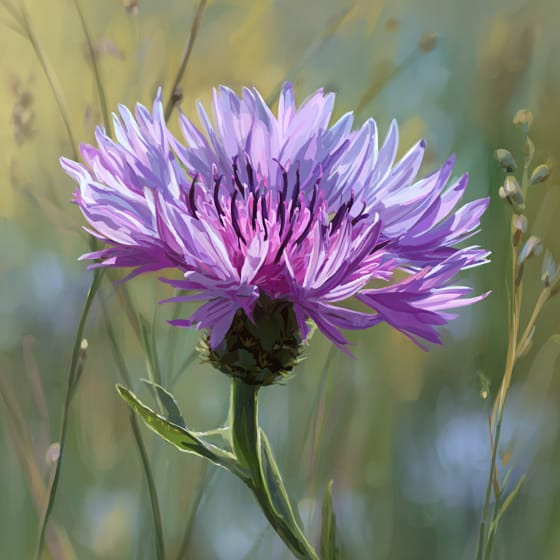
Centaurea nigra
Visits for essential nectar and pollen.
_Lotus_corniculatus_-_Plant_habit.jpg&width=800)
Lotus corniculatus
An important nectar source for this bee.

Merops apiaster
This bird preys on large flying insects like bees.
Furry describes animals possessing a dense covering of soft hair or fur.
Social animals live in organized groups, cooperating for survival benefits such as foraging, defense, and raising offspring.
Grassland habitats are terrestrial biomes dominated by grasses and herbaceous plants, supporting a variety of grazing animals.
This trait characterizes organisms whose diet consists entirely or primarily of plant material.

Describes plants that are particularly attractive and beneficial to a wide range of pollinating organisms.

Diurnal animals are primarily active during daylight hours, typically resting or sleeping at night.

Describes a species whose presence and role have a disproportionately large effect on its environment.

Describes organisms that transfer pollen, enabling the fertilization and reproduction of plants.

Endangered status indicates a species is at a very high risk of extinction in the wild in the near future.
No aliases listed yet.
Danger
2/5 · Low
Be gentle and calm around bees; they usually won't sting unless they feel scared.
The easiest way to identify Shrill Carder-Bumble bee is to use the Snappit nature identifier app.
20-36 mm
10-18 mm
28-42 days
20 km/h
They sip nectar for energy and gather pollen for protein from a variety of wildflowers.
Grasslands
Foraging
Zoom in to split clusters and explore where this object has been snapped.
Recent snaps will appear here as new observations are added.
Take the discovery with you
Snap it with Snappit to identify it, learn what makes it special, and add the discovery to your collection.





.jpg&width=800)



