





Pantherophis guttatus guttatus
Pantherophis guttatus guttatus
The Eastern Corn Snake is a friendly snake that loves to climb and explore! It has beautiful orange and black patterns that help it blend into its surroundings.
Habitat: Grasslands
The Pantherophis guttatus guttatus is a slender snake with a reddish-brown or orange body adorned with distinct darker red or brown blotches, often outlined in black. Its belly features a prominent black and white checkerboard pattern, which helps distinguish it visually from other similar snake species.
Category
ReptilesRarity
Common
Danger
1/5 · Very low
Snaps
Be the first to snap!
Baby corn snakes are born fully independent and can hunt for food right away!
Some corn snakes can subtly change their color to better blend into their surroundings!
They get their 'corn' name from patterns like kernels, or often found near corn storage!
They use their tongue to 'smell' their environment, tasting tiny air particles!
Pantherophis guttatus guttatus has powerful muscles to constrict prey, helping them overpower small mammals and birds.
Pantherophis guttatus guttatus has specialized belly scales that help them grip surfaces, allowing excellent climbing ability.
Pantherophis guttatus guttatus can vibrate its tail rapidly when threatened, mimicking a rattlesnake to deter predators.
These beneficial snakes primarily eat small rodents and birds, helping to control pest populations.
Age differences: Young snakes often eat lizards and frogs, transitioning to larger rodent and bird prey as adults.

Peromyscus leucopus
A primary food source for corn snakes in their habitat.

Rattus rattus
Corn snakes help control populations of these rodents on farms.
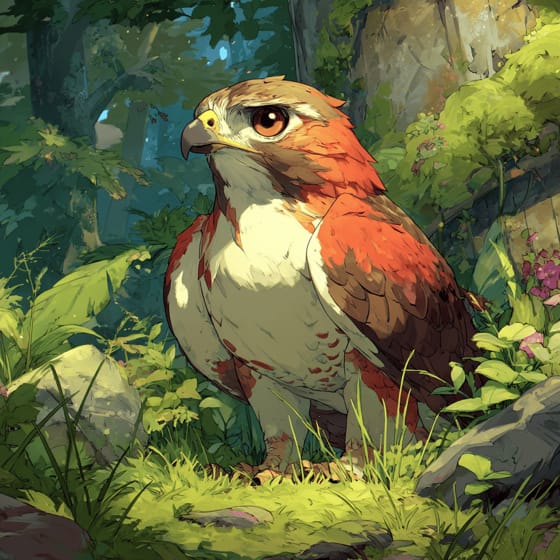
Buteo jamaicensis
Young corn snakes can be prey for large birds of prey.
Didelphis virginiana
Opossums may prey on corn snake eggs and hatchlings.
Marked with parallel bands or lines of color.
Solitary animals live alone for most of their lives, only interacting with others for mating or parental care.
Arboreal animals live primarily in trees, utilizing them for shelter, food, and protection from predators.
Camouflaged describes organisms that possess coloring or patterns that allow them to blend into their environment.

Colorful describes organisms or objects displaying a wide range of bright and distinct colors.

Grassland habitats are terrestrial biomes dominated by grasses and herbaceous plants, supporting a variety of grazing animals.

This trait identifies organisms whose diet consists entirely or primarily of animal tissue.

Diurnal animals are primarily active during daylight hours, typically resting or sleeping at night.

This trait identifies organisms that exhibit exceptional swiftness in movement for hunting, escape, or travel.
Danger
1/5 · Very low
Always watch from a distance and never try to touch a wild snake.
The easiest way to identify Pantherophis guttatus guttatus is to use the Snappit nature identifier app.
61-182 cm
0.4-0.9 kg
6-20 years
3.2 km/h
These beneficial snakes primarily eat small rodents and birds, helping to control pest populations.
Grasslands
Ambush
Zoom in to split clusters and explore where this object has been snapped.
Recent snaps will appear here as new observations are added.
Take the discovery with you
Snap it with Snappit to identify it, learn what makes it special, and add the discovery to your collection.











