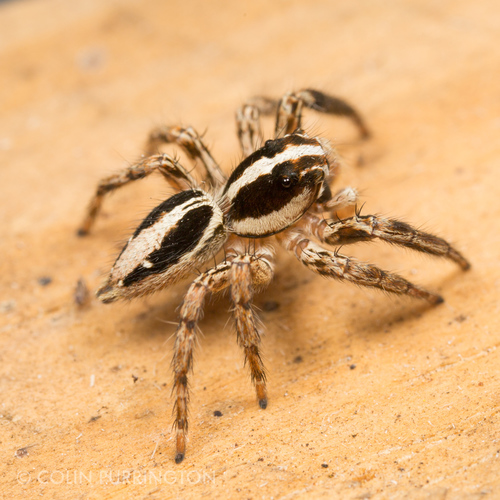


Pantropical Jumping Spider
plexippus paykulli
The Pantropical Jumping Spider, Plexippus paykulli, is a fascinating and highly agile arachnid renowned for its exceptional vision and acrobatic hunting style. As its name suggests, this species boasts an incredibly wide distribution across tropical and subtropical regions globally, often coexisting closely with humans in various urban and semi-urban environments. Unlike many spiders that rely on webs to capture prey, Plexippus paykulli is an active hunter, utilizing its keen eyesight and powerful legs to stalk, ambush, and pounce on unsuspecting insects. Its presence often goes unnoticed due to its small size and tendency to inhabit sunlit walls, fences, and foliage, but a closer look reveals a captivating predator with complex behaviors.
Habitat: The Pantropical Jumping Spider is typically found in warm, often sunny, outdoor and indoor habitats, including gardens, parks, walls of buildings, fences, and under eaves.
This small spider exhibits distinct sexual dimorphism. Females typically measure 8-12 mm in body length and have a robust, brownish-grey body, often with a broad, lighter stripe down the abdomen and sometimes reddish or orange markings. Males are slightly smaller, usually 7-10 mm, and appear darker, often blackish-brown, with prominent white or cream-colored bands on the cephalothorax and abdomen. Both sexes possess eight large, forward-facing eyes, giving them excellent binocular vision, and short, strong legs adapted for jumping.
Category
InvertebrateRarity
Common
Danger
1/5 · Very low
Snaps
2
Male Pantropical Jumping Spiders perform elaborate courtship dances, waving their pedipalps and front legs to attract females.
Their vision is among the best in the invertebrate world, allowing them to perceive color and form in a manner comparable to some vertebrates.
These spiders are known to tolerate human presence and are often found inside homes, where they act as natural pest controllers.
Unlike many spiders, Plexippus paykulli does not build webs for hunting but constructs small, silken retreats for resting, molting, and laying eggs.
Capable of leaping many times its own body length with pinpoint accuracy to catch prey or escape danger, using hydraulic pressure in its legs.
Possesses eight eyes, with the primary pair providing high-resolution, wide-angle, and color vision, allowing precise distance judgment for hunting.
Before every jump, this spider attaches a silk dragline to its perch, which acts as a safety rope to prevent falls and allows for a quick return if a jump is missed.
The Pantropical Jumping Spider is a highly active predator, primarily feeding on a variety of small insects and other arthropods that it hunts using its exceptional vision and jumping ability.
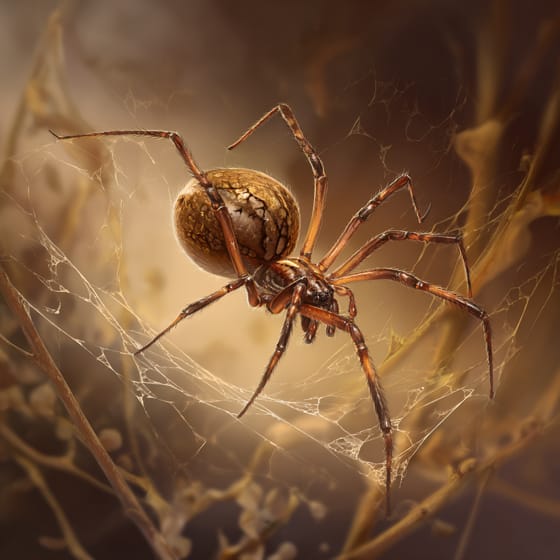
Tegenaria domestica
Common prey for larger arachnids.
Musca domestica
A primary food source for the jumping spider.
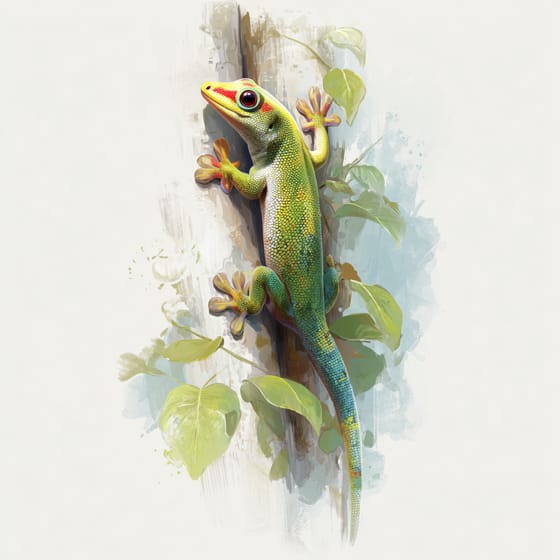
Gekko gecko
A potential predator, especially for smaller spiders.
Culicidae
Another common food source.
No trait badges are assigned for this object yet.
No aliases listed yet.
Collections for this object will appear here as more themes are added.
Danger
1/5 · Very low
No special safety notes yet.
The easiest way to identify Pantropical Jumping Spider is to use the Snappit nature identifier app.
7-12 cm
0.0001-0.0005 kg
0-1 years
The Pantropical Jumping Spider is a highly active predator, primarily feeding on a variety of small insects and other arthropods that it hunts using its exceptional vision and jumping ability.
The Pantropical Jumping Spider is typically found in warm, often sunny, outdoor and indoor habitats, including gardens, parks, walls of buildings, fences, and under eaves.
Pursuit
25-150
Zoom in to split clusters and explore where this object has been snapped.
Take the discovery with you
Snap it with Snappit to identify it, learn what makes it special, and add the discovery to your collection.