





Paracardiophorus
Paracardiophorus
Paracardiophorus is a unique insect that loves to hide among leaves. It has a special shape that helps it blend in with its surroundings, making it a master of disguise in nature!
Habitat: Forests
The Paracardiophorus is a small, elongated beetle, typically dark brown to black with distinctive reddish-orange markings on its wing cases. Its body is somewhat flattened and possesses short, sturdy antennae, making it appear robust compared to other small beetles.
Category
InsectsRarity
Common
Danger
1/5 · Very low
Snaps
Be the first to snap!
Baby Paracardiophorus are called "wireworms" for their tough, slender bodies.
Some click beetles can jump over 20 times their own body height!
The "click" isn't just a sound; it's a powerful jump to escape!
They use a special "thoracic spine" to click, like a tiny spring release!
Paracardiophorus can dramatically flip into the air with a clicking sound, helping it escape predators or right itself when overturned.
Paracardiophorus has a tough, hard exoskeleton that provides excellent protection against physical damage and some predators.
Paracardiophorus can navigate and fly effectively in low light, allowing it to find mates and food sources.
Adult Paracardiophorus mostly sip nectar and pollen from flowers, but don't eat much.
Age differences: Larvae (wireworms) primarily eat plant roots or other soil invertebrates, while adults consume nectar and pollen.
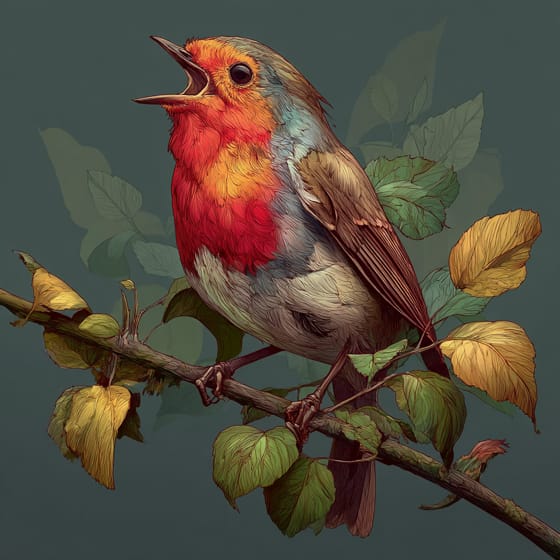
Turdus migratorius
Birds like robins hunt adult click beetles.
Araneus diadematus
Spiders capture click beetles in their webs.
Zea mays
Its larvae (wireworms) can feed on corn roots.
Solitary animals live alone for most of their lives, only interacting with others for mating or parental care.
Camouflaged describes organisms that possess coloring or patterns that allow them to blend into their environment.
This trait characterizes organisms whose diet consists entirely or primarily of plant material.
Describes plants that are particularly attractive and beneficial to a wide range of pollinating organisms.

Forest habitats are terrestrial environments dominated by dense tree cover, supporting a high diversity of plant and animal life.

Diurnal animals are primarily active during daylight hours, typically resting or sleeping at night.

Pertaining to species that are significantly smaller than typical or average for their kind.

Describes organisms that transfer pollen, enabling the fertilization and reproduction of plants.
No aliases listed yet.
Danger
1/5 · Very low
Always look but don't touch insects unless you know they are safe.
The easiest way to identify Paracardiophorus is to use the Snappit nature identifier app.
10-20 mm
5-10 mm
30-90 days
8 km/h
Adult Paracardiophorus mostly sip nectar and pollen from flowers, but don't eat much.
Forests
Foraging
Zoom in to split clusters and explore where this object has been snapped.
Recent snaps will appear here as new observations are added.
Take the discovery with you
Snap it with Snappit to identify it, learn what makes it special, and add the discovery to your collection.







.jpg&width=800)



