





Valgus hemipterus
Valgus hemipterus
The Valgus hemipterus is a unique insect known for its bright colors and interesting shape. It loves to hide under leaves and is often found in gardens and forests.
Habitat: Forests
The Valgus hemipterus is a small, hairy beetle, typically dark brown to black, often with scattered pale scales. It has a compact, somewhat flattened body shape and noticeably broad, flattened hind legs, giving it a unique appearance.
Category
InsectsRarity
Common
Danger
1/5 · Very low
Snaps
1
Its larvae spend years munching on dead wood, hidden away from the world!
The Valgus hemipterus scientific name actually means 'bow-legged' due to its unique legs!
They are important clean-up crew members, helping forests stay healthy by recycling nutrients!
This tiny beetle is sometimes found living peacefully right next to ant colonies!
Valgus hemipterus can expertly break down decaying wood because of its strong mandibles, helping recycle forest nutrients.
Valgus hemipterus has a special relationship with ants, often found harmlessly near their nests, which may offer protection.
Valgus hemipterus can blend seamlessly with leaf litter and bark because of its drab, textured body, making it hard to spot.
This tiny beetle helps clean up forests by munching on dead wood and fungi.
Age differences: Larvae feed exclusively on decaying wood.
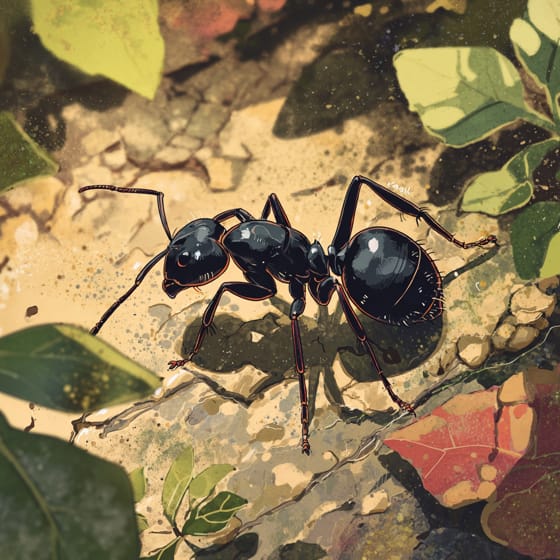
Lasius niger
Often found near their nests, exact interaction is complex.
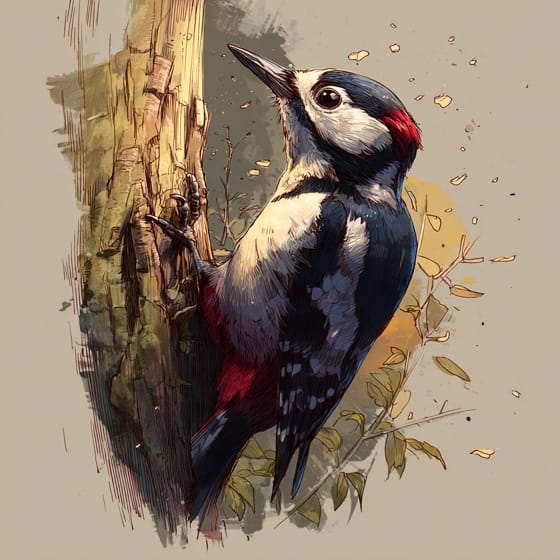
Dendrocopos major
Woodpeckers may extract larvae from decaying timber.
Quercus robur
Larvae develop within the decaying wood of oak trees.
Solitary animals live alone for most of their lives, only interacting with others for mating or parental care.
Camouflaged describes organisms that possess coloring or patterns that allow them to blend into their environment.
Colorful describes organisms or objects displaying a wide range of bright and distinct colors.
This trait characterizes organisms whose diet consists entirely or primarily of plant material.

Describes plants that are particularly attractive and beneficial to a wide range of pollinating organisms.

Forest habitats are terrestrial environments dominated by dense tree cover, supporting a high diversity of plant and animal life.

Diurnal animals are primarily active during daylight hours, typically resting or sleeping at night.

Describes organisms that transfer pollen, enabling the fertilization and reproduction of plants.
No aliases listed yet.
Danger
1/5 · Very low
It's best to observe insects from a distance and not touch them.
The easiest way to identify Valgus hemipterus is to use the Snappit nature identifier app.
6-16 mm
4-8 mm
30-90 days
2-5 km/h
This tiny beetle helps clean up forests by munching on dead wood and fungi.
Forests
Foraging
Zoom in to split clusters and explore where this object has been snapped.
Take the discovery with you
Snap it with Snappit to identify it, learn what makes it special, and add the discovery to your collection.








.jpg&width=800)


