





Summer Azure
Celastrina neglecta
The Summer Azure is a small, beautiful butterfly with lovely blue wings. It flutters around gardens and meadows, bringing joy to everyone who sees it!
Habitat: Gardens
The Summer Azure is a small, delicate butterfly primarily bright sky-blue on its upper wings, often appearing iridescent, especially in males. Its undersides are pale grayish-white and usually unmarked, which helps distinguish it from similar azure species. Females may have a dusting of dusky gray on their wing margins.
Category
InsectsRarity
Common
Danger
1/5 · Very low
Snaps
17
Adult Summer Azures get energy from drinking tree sap and mineral-rich puddles too, not only flowers!
Baby Summer Azures (caterpillars) sometimes get protection from ants in exchange for a sweet treat!
Its scientific name, 'neglecta', means 'neglected' because it was once mistaken for another butterfly!
Unlike many caterpillars, these munch on flower buds and young fruits, not just leaves!
Summer Azure caterpillars can change colors to perfectly match the flower buds they eat, helping them hide from hungry birds.
Summer Azures have a long, straw-like proboscis that helps them reach sweet nectar deep inside many different flowers.
The Summer Azure can dart and weave erratically in flight, which makes it very difficult for predators to catch.
Adults sip flower nectar; caterpillars munch on tender flower buds and young fruits.
Age differences: Yes, adults drink nectar from flowers, while caterpillars feed on the flower buds and young fruits of various plants.
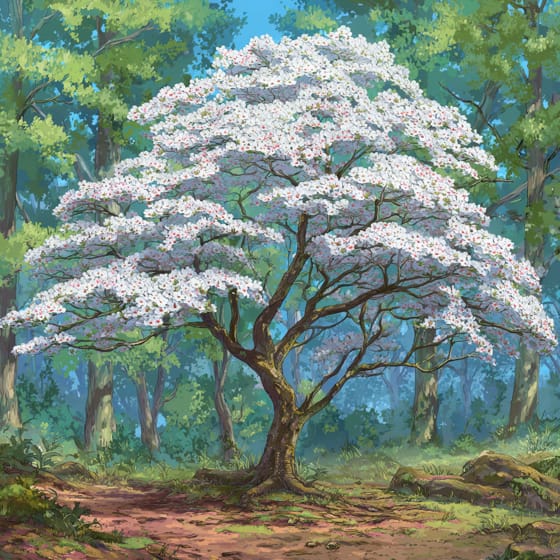
Cornus florida
Larvae consume its flower buds and young fruits.

Rhus typhina
Caterpillars feed on its developing flower clusters.
Apis mellifera
Both visit flowering plants to gather nectar.
Formica subsericea
Guards larvae from predators for their sugary fluid.
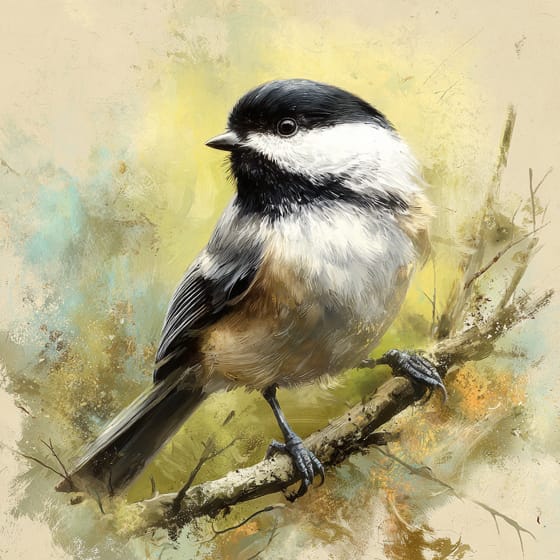
Poecile atricapillus
Small insectivorous birds prey on adult butterflies.
Colorful describes organisms or objects displaying a wide range of bright and distinct colors.
This trait characterizes organisms whose diet consists entirely or primarily of plant material.
Describes plants that are particularly attractive and beneficial to a wide range of pollinating organisms.
Diurnal animals are primarily active during daylight hours, typically resting or sleeping at night.

This trait identifies organisms that exhibit exceptional swiftness in movement for hunting, escape, or travel.

This habitat trait indicates species that can coexist with humans in urban and suburban environments, utilizing man-made structures and green spaces.

Describes organisms that transfer pollen, enabling the fertilization and reproduction of plants.
No aliases listed yet.
Danger
1/5 · Very low
Be gentle and quiet around butterflies so they don’t get scared.
The easiest way to identify Summer Azure is to use the Snappit nature identifier app.
22-32 mm
10-15 mm
7-14 days
8-15 km/h
Adults sip flower nectar; caterpillars munch on tender flower buds and young fruits.
Gardens
6
Zoom in to split clusters and explore where this object has been snapped.

New York, US
You might spot Sundial Lupine, Spotted Horsemint, and New Jersey Tea.
View guide →

Connecticut, US
You might spot Osprey, Diamondback Terrapin, and Monarch.
View guide →

Pennsylvania, US
You might spot Harlequin Bug, White-Tailed Deer, and Bee.
View guide →

Delaware, US
You might spot American Toad, Eastern Tiger Swallowtail, and Red Fox.
View guide →

Maryland, US
You might spot Duck, Red-Winged Blackbird, and American Bullfrog.
View guide →
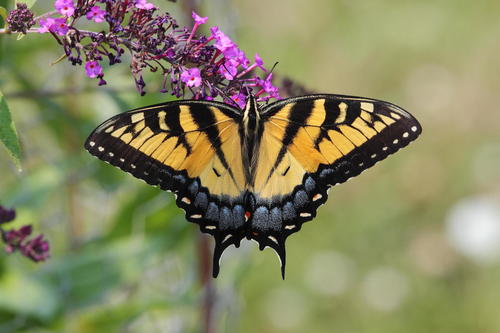
Pennsylvania, US
You might spot Eastern Tiger Swallowtail, Eastern Bluebird, and Monarch.
View guide →
Take the discovery with you
Snap it with Snappit to identify it, learn what makes it special, and add the discovery to your collection.







.jpg&width=800)



