





parsnipflower buckwheat
Eriogonum heracleoides
Parsnipflower buckwheat is a lovely flower that grows in the wild. It has small, white flowers that look like tiny stars and can be found in sunny places.
Habitat: Grasslands
The parsnipflower buckwheat is a low-growing plant with woolly, grey-green leaves often clustered at the base. Its creamy to yellow flowers grow in dense, umbrella-shaped clusters atop upright stems, making it quite distinctive in dry, open habitats.
Category
PlantsRarity
Common
Danger
1/5 · Very low
Snaps
2
Indigenous peoples sometimes used parts of related buckwheat plants for traditional medicines.
It's a favorite snack for deer, who munch on its leaves and stems in the wild!
Its scientific name, *Eriogonum*, means 'woolly knee,' referring to the fuzzy joints on some species.
Many tiny flowers gather together to form one big, showy bloom, attracting lots of bees!
Parsnipflower buckwheat has fuzzy leaves and a deep taproot that help it store water and survive in very dry, rocky places.
This plant can grow directly in bright sunlight, even reflecting some rays with its light-colored, woolly leaves to stay cool.
Apis mellifera
Gathers nectar and pollen from its tiny flowers.
Bombus bifarius
An important native pollinator in its range.
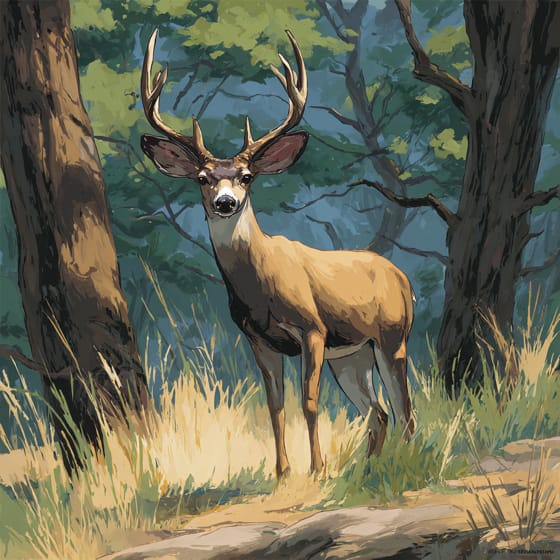
Odocoileus hemionus
Grazes on its leaves, especially when other food is scarce.
Flowering plants are any plants that produce flowers as part of their reproductive cycle.
Cluster flowers are inflorescences where individual flowers are arranged closely together on a common stem.
Summer blooming plants produce their flowers during the summer season, often providing vibrant color when many other plants have finished.
Drought-tolerant plants can survive and flourish in conditions with limited water availability.

Edible plants are those parts of a plant that are considered safe for human consumption.

Grassland habitats are terrestrial biomes dominated by grasses and herbaceous plants, supporting a variety of grazing animals.

Describes plants that are particularly attractive and beneficial to a wide range of pollinating organisms.
No aliases listed yet.
Danger
1/5 · Very low
Always look but don't touch wild flowers, as some can be harmful.
The easiest way to identify parsnipflower buckwheat is to use the Snappit nature identifier app.
15-60 cm
30-90 cm
0.2-0.5 cm
Late spring to late summer
No
None
Perennial
Zoom in to split clusters and explore where this object has been snapped.
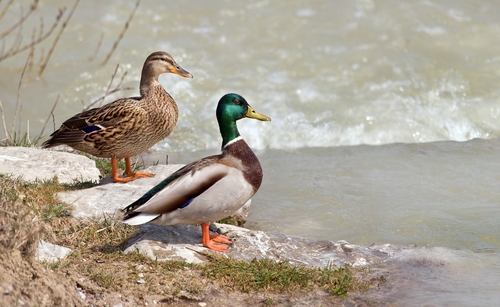
Washington, US
You might spot Duck, Yellow-Bellied Marmot, and Canada Goose.
View guide →

British Columbia, CA
You might spot Yellow-Bellied Marmot and Rubber Rabbitbrush.
View guide →
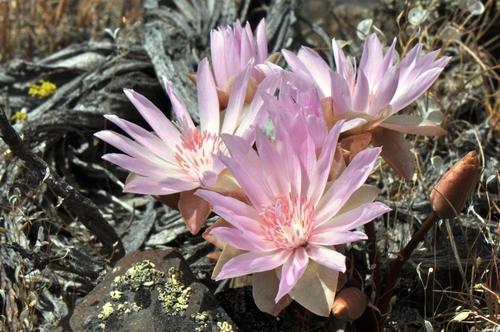
British Columbia, CA
You might spot Bitterroot, Arrowleaf Balsamroot, and Western Stoneseed.
View guide →
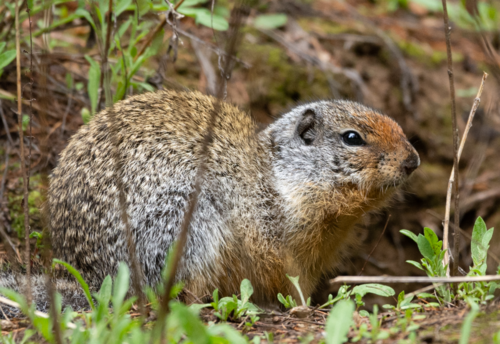
British Columbia, CA
You might spot Columbian Ground Squirrel and Spotted Knapweed.
View guide →
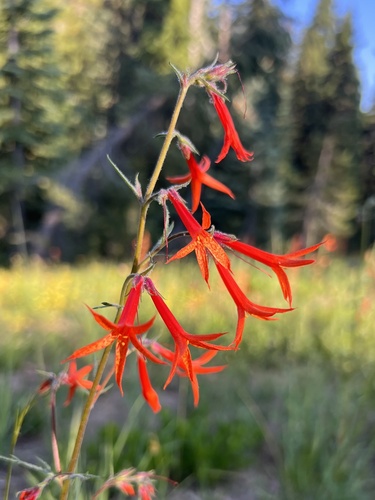
British Columbia, CA
You might spot Scarlet Gilia, Great Blanketflower, and Solomon's Plume.
View guide →
Take the discovery with you
Snap it with Snappit to identify it, learn what makes it special, and add the discovery to your collection.







.jpg&width=800)



_001.jpg&width=800)



