





Laxmann's Milkvetch
Astragalus laxmannii
Laxmann's Milkvetch is a special plant with lovely flowers that can be pink or purple. It grows in the wild and is known for being tough and able to survive in different places.
Habitat: Grasslands
The Laxmann's Milkvetch has densely clustered, pea-like flowers, typically bright violet to purple, rising above silvery-green, hairy leaves. Its compact, cushion-like form makes it stand out in rocky terrain.
Category
PlantsRarity
Common
Danger
1/5 · Very low
Snaps
Be the first to snap!
Its scientific name honours a Finnish explorer and scientist, Erik Laxmann!
Milkvetch species are found on every continent except Antarctica!
Some types of milkvetch plants are called "locoweeds" for making animals dizzy!
This plant creates seeds inside pods, just like peas in a shell!
This plant has furry leaves that trap moisture, helping it survive in dry, harsh environments.
Laxmann's Milkvetch possesses deep roots, allowing it to find water and nutrients even in rocky ground.
Bombus terrestris
Its flowers provide nectar and pollen.
Rhizobium leguminosarum
Fixes nitrogen in roots for plant growth.
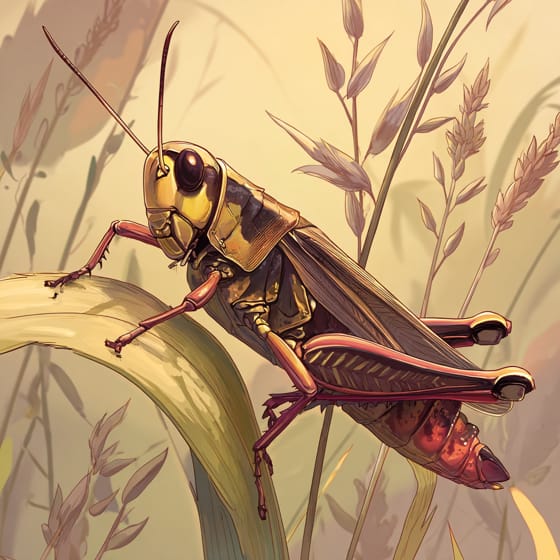
Chorthippus parallelus
Herbivores may graze on its leaves and stems.
Flowering plants are any plants that produce flowers as part of their reproductive cycle.
Describes organisms capable of converting atmospheric nitrogen into compounds usable by plants.
Drought-tolerant plants can survive and flourish in conditions with limited water availability.
Edible plants are those parts of a plant that are considered safe for human consumption.

Grassland habitats are terrestrial biomes dominated by grasses and herbaceous plants, supporting a variety of grazing animals.

Describes plants that are particularly attractive and beneficial to a wide range of pollinating organisms.

Describes a relationship between two different species where they live in close association, often benefiting one or both.
No aliases listed yet.
Danger
1/5 · Very low
Always look but don't touch wild plants unless a grown-up says it's okay.
The easiest way to identify Laxmann's Milkvetch is to use the Snappit nature identifier app.
10-30 cm
15-40 cm
1-2 cm
Late spring to summer
No
None
Perennial
Zoom in to split clusters and explore where this object has been snapped.
Recent snaps will appear here as new observations are added.
Take the discovery with you
Snap it with Snappit to identify it, learn what makes it special, and add the discovery to your collection.









.jpg&width=800)



_001.jpg&width=800)



