





Particoloured Bat
Vespertilio murinus
The Particoloured Bat is a small, furry creature that loves to fly around at night. With its colorful fur, it can be hard to spot, but it helps keep the insect population down by eating bugs!
Habitat: Forests
The Particoloured Bat has striking dark brown to black fur on its back, sharply contrasting with its greyish-white belly. Its dark ears, muzzle, and wings further highlight its two-toned body, making it uniquely 'particoloured'.
Category
MammalsRarity
Common
Danger
1/5 · Very low
Snaps
Be the first to snap!
Mother bats carry their tiny babies everywhere for the first few weeks!
Particoloured Bats can survive freezing winters by hibernating in deep, sheltered cracks!
These speedy bats often fly at high altitudes, catching moths high in the sky!
They use their amazing memory to find the same roosting spots year after year!
Particoloured Bat can fly hundreds of kilometers because of its efficient flight that helps them migrate between summer and winter homes.
Particoloured Bat can roost in human buildings because of its adaptability that helps them find shelter in towns and cities.
These bats are insect-eating experts, catching moths and beetles right out of the air!
Autographa gamma
major food source in open habitats.

Geotrupes stercorosus
forages for these slow-flying beetles.
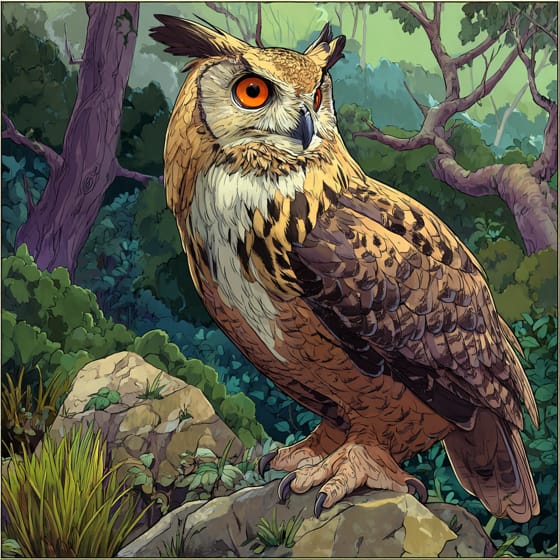
Bubo bubo
a nocturnal predator of bats.
Falco tinnunculus
may snatch bats during migration.
Furry describes animals possessing a dense covering of soft hair or fur.
Solitary animals live alone for most of their lives, only interacting with others for mating or parental care.
Colorful describes organisms or objects displaying a wide range of bright and distinct colors.
This trait identifies organisms whose diet primarily consists of insects and other small invertebrates.

Echolocation is a biological sonar used by animals to navigate, hunt, and communicate by emitting sound waves and interpreting the echoes.

Forest habitats are terrestrial environments dominated by dense tree cover, supporting a high diversity of plant and animal life.

This trait characterizes organisms with an exceptionally long lifespan compared to others of their kind.

This trait identifies organisms whose diet consists entirely or primarily of animal tissue.

Nocturnal animals are primarily active during the nighttime hours, typically resting or sleeping during the day.
No aliases listed yet.
Danger
1/5 · Very low
Bats are usually shy and won't bother you. Just watch them from a distance!
The easiest way to identify Particoloured Bat is to use the Snappit nature identifier app.
4.8-6.4 cm
27-33 cm
0.008-0.024 kg
4-12 years
40 km/h
These bats are insect-eating experts, catching moths and beetles right out of the air!
Forests
Zoom in to split clusters and explore where this object has been snapped.
Recent snaps will appear here as new observations are added.
Take the discovery with you
Snap it with Snappit to identify it, learn what makes it special, and add the discovery to your collection.




.jpg&width=800)


.JPG&width=800)



.jpg&width=800)
