_(14562557107).jpg&width=800)





Passenger Pigeon
ectopistes migratorius
The Passenger Pigeon was once one of the most abundant birds in North America! It had beautiful, colorful feathers and loved to fly in huge flocks.
Habitat: Forests and fields across North America.
The Passenger Pigeon has a sleek body with a slate blue-gray head, back, and wings. Its breast is a distinctive reddish-pink, with iridescent patches on its neck. Females were duller, often brownish, lacking the male's vibrant colors.
Category
BirdsRarity
Epic
Danger
0/5 · No known danger
Snaps
Be the first to snap!
Nesting colonies spread over hundreds of square miles of forest!
Their flocks were so immense they could darken the sky for days!
They once made up a quarter of all wild North American birds!
This amazing bird went extinct just over 100 years ago in 1914.
Passenger Pigeons could travel vast distances in huge flocks, helping them find new food sources across wide areas.
Passenger Pigeons could fly incredibly fast and maneuver quickly through dense forests due to their powerful wings.
Passenger Pigeons built nests closely together in vast colonies, which helped protect their young from predators.
Passenger Pigeons were forest foragers, eating seeds, nuts, acorns, and berries found on trees.
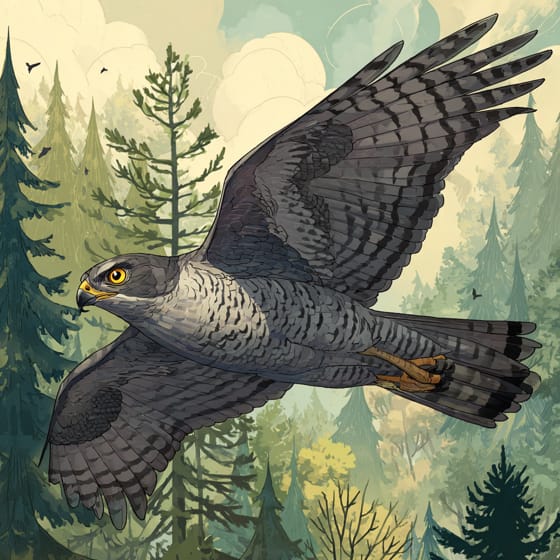
Accipiter gentilis
hunted pigeons during their massive migrations.
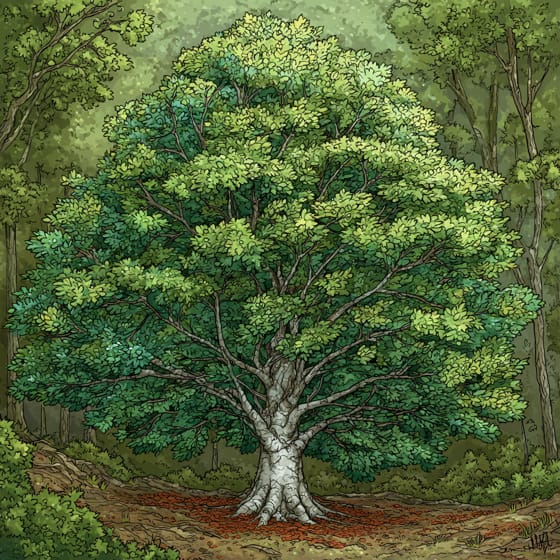
Fagus grandifolia
relied heavily on its abundant beechnuts for food.
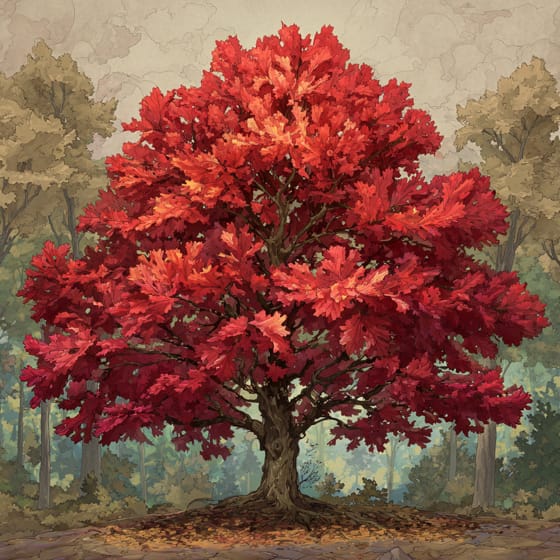
Quercus rubra
consumed vast quantities of its acorns, especially in autumn.
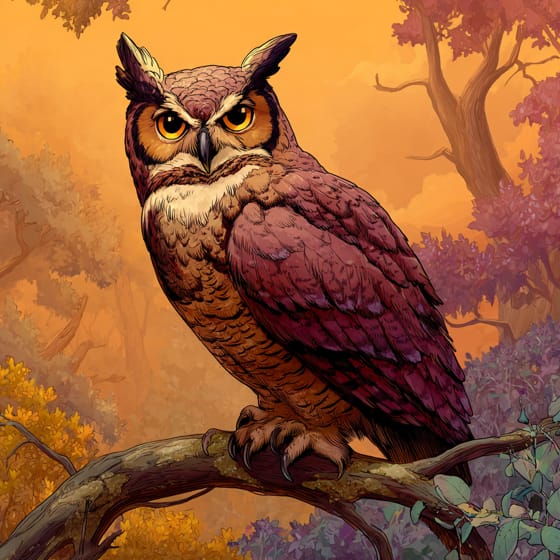
Bubo virginianus
preyed on nesting pigeons, particularly their young.
Social animals live in organized groups, cooperating for survival benefits such as foraging, defense, and raising offspring.
Colorful describes organisms or objects displaying a wide range of bright and distinct colors.
This trait characterizes organisms whose diet consists entirely or primarily of plant material.
Forest habitats are terrestrial environments dominated by dense tree cover, supporting a high diversity of plant and animal life.

Migratory animals undertake seasonal movements from one region to another, typically in response to changes in climate or food availability.
Danger
0/5 · No known danger
No special safety notes yet.
The easiest way to identify Passenger Pigeon is to use the Snappit nature identifier app.
38-41 cm
60-66 cm
0.25-0.34 kg
5-15 years
100 km/h
Passenger Pigeons were forest foragers, eating seeds, nuts, acorns, and berries found on trees.
Forests and fields across North America.
Zoom in to split clusters and explore where this object has been snapped.
Recent snaps will appear here as new observations are added.
Take the discovery with you
Snap it with Snappit to identify it, learn what makes it special, and add the discovery to your collection.




.jpg&width=800)








