





Pesquet's parrot
Psittrichas fulgidus
Pesquet's parrot, also known as the Dracula parrot, has a unique look with bright red and black feathers. These friendly birds love to eat fruits and are found in the lush forests of New Guinea.
Habitat: Forests
The Pesquet's parrot is a large, striking bird with sooty black plumage and a bright red belly and underwing. Its unique featherless black head resembles a vulture, and males also have a distinctive red patch behind each eye.
Category
BirdsRarity
Rare
Danger
1/5 · Very low
Snaps
Be the first to snap!
It's the only species in its genus, making this parrot truly one-of-a-kind!
Its calls are deep, growling screeches, very different from typical parrot chirps!
These parrots are found exclusively in the remote lowland rainforests of New Guinea.
Unlike many parrots, they mainly eat soft fruits, especially various types of figs.
Pesquet's parrot has a bald, vulturine head which helps them stay clean while feasting on sticky rainforest fruits.
Pesquet's parrot can digest a diet almost solely of figs, allowing them to thrive where other parrots might struggle.
Pesquet's parrot has a strong, hooked beak that helps them tear into tough fruit husks to get at the soft pulp.
This parrot almost exclusively eats figs and other soft fruits, a true fruit specialist!
Ficus variegata
Relies heavily on its soft, ripe fruits for nourishment.
Ficus septica
Consumes the pulp and seeds of this widespread fig species.
Accipiter meyerianus
Can be prey for this powerful forest raptor.
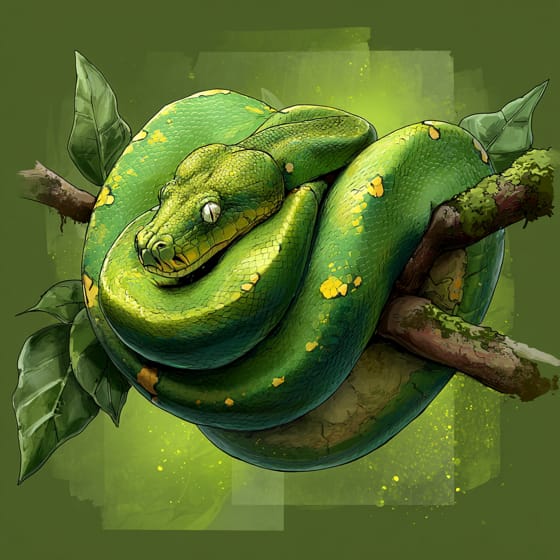
Morelia viridis
Nests and young parrots may be targeted by arboreal snakes.
Feathered describes animals, primarily birds, possessing a covering of feathers.
Social animals live in organized groups, cooperating for survival benefits such as foraging, defense, and raising offspring.
Colorful describes organisms or objects displaying a wide range of bright and distinct colors.
This trait characterizes organisms whose diet consists entirely or primarily of plant material.

Forest habitats are terrestrial environments dominated by dense tree cover, supporting a high diversity of plant and animal life.

Diurnal animals are primarily active during daylight hours, typically resting or sleeping at night.

Endangered status indicates a species is at a very high risk of extinction in the wild in the near future.
Danger
1/5 · Very low
Always watch birds from a distance and don't try to touch them.
The easiest way to identify Pesquet's parrot is to use the Snappit nature identifier app.
46-50 cm
65-75 cm
0.68-0.8 kg
20-40 years
60 km/h
This parrot almost exclusively eats figs and other soft fruits, a true fruit specialist!
Forests
Zoom in to split clusters and explore where this object has been snapped.
Recent snaps will appear here as new observations are added.
Take the discovery with you
Snap it with Snappit to identify it, learn what makes it special, and add the discovery to your collection.




.jpg&width=800)







