Phrurotimpus
phrurotimpus
The Phrurotimpus is a small spider known for its unique and colorful patterns. It loves to spin intricate webs that can catch tiny insects for food!
Habitat: Gardens, forests, and grasslands
The Phrurotimpus is a small, swift spider with a slender, often yellowish-brown body and relatively long, delicate legs. Some species visually mimic ants, making them look unlike typical web-building spiders.
Category
InvertebrateRarity
Common
Danger
0/5 · No known danger
Snaps
Be the first to snap!
Instead of sticky webs, they hunt by chasing down their insect meals, showing off their speed.
Many Phrurotimpus spiders pretend to be ants, walking on just six legs to look like one!
Their eyes are usually arranged in two rows, helping them spot even the smallest moving prey.
These tiny hunters often make a cozy silk sleeping bag hidden under leaves or bark.
Phrurotimpus can sprint with surprising quickness, letting them actively chase and capture small insects on the ground.
Phrurotimpus creates small, silken sacs in hidden spots that help them safely rest, molt, or guard their eggs.
These tiny predators feast on small insects and other arthropods, keeping populations balanced.
Aphis gossypii
Feeds on this common crop pest.
Formica fusca
Preys on smaller ants in its habitat.
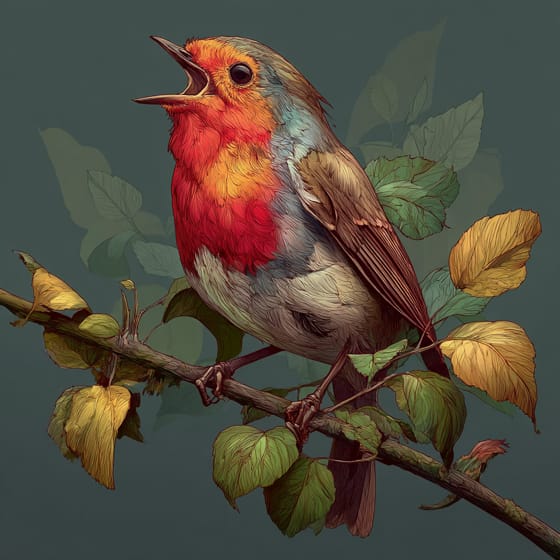
Turdus migratorius
A common bird predator of spiders.
Anoplius americanus
Specifically targets spiders to paralyze and lay eggs on.
Solitary animals live alone for most of their lives, only interacting with others for mating or parental care.
Arboreal animals live primarily in trees, utilizing them for shelter, food, and protection from predators.
Colorful describes organisms or objects displaying a wide range of bright and distinct colors.
This trait identifies organisms whose diet consists entirely or primarily of animal tissue.

Nocturnal animals are primarily active during the nighttime hours, typically resting or sleeping during the day.
Danger
0/5 · No known danger
Always observe spiders from a distance and never touch them.
The easiest way to identify Phrurotimpus is to use the Snappit nature identifier app.
2-5
5-10
These tiny predators feast on small insects and other arthropods, keeping populations balanced.
Gardens, forests, and grasslands
Pursuit
8
Zoom in to split clusters and explore where this object has been snapped.
Recent snaps will appear here as new observations are added.
Take the discovery with you
Snap it with Snappit to identify it, learn what makes it special, and add the discovery to your collection.