

Phyllis Nobla
phyllis nobla
Phyllis Nobla, commonly known as the Canary Island phyllis, is a charming evergreen shrub native to the humid laurel forests and steep rocky slopes of Madeira and the Canary Islands. Belonging to the coffee family (Rubiaceae), this resilient plant is highly adapted to the unique damp microclimates of the Macaronesian region. It forms dense, bushy mounds with lush green foliage that remains vibrant throughout the year. Often found clinging to cliffs or nestled in shaded forest understories, Phyllis Nobla plays a vital role in stabilizing soil and supporting local biodiversity. Its understated beauty and remarkable adaptation to moisture-laden winds make it a fascinating subject for botanists and hikers exploring the unique Macaronesian flora.
Habitat: Found in humid laurel forests (laurisilva), rocky crevices, and shaded ravines of the Canary Islands and Madeira.
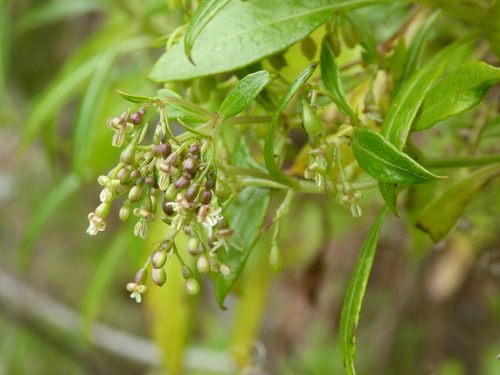
Phyllis Nobla is a small to medium-sized woody shrub, typically growing between 50 and 150 centimeters in height. It features lance-shaped, bright green leaves that are arranged oppositely or in whorls along its reddish-brown, semi-woody stems. The leaf margins are entire, smooth, and slightly wavy. During its blooming period, it produces dense, branched terminal clusters of tiny, inconspicuous flowers that are greenish-white or pale yellow in color. These tiny flowers eventually give way to small, dry, two-lobed fruits adapted for wind dispersal.
Category
PlantsRarity
Common
Danger
1/5 · Very low
Snaps
Be the first to snap!
Its wind-pollinated flowers lack the colorful petals and sweet nectar found in most of its close relative species, as it does not need to attract insect pollinators.
Phyllis Nobla belongs to the Rubiaceae family, making it a very distant relative of the commercial coffee plant.
The genus name 'Phyllis' is derived directly from the Greek word for leaf, a nod to its lush and attractive evergreen foliage.
Unlike most members of the Rubiaceae family which rely on insect pollinators, Phyllis Nobla has adapted to use wind pollination to reproduce efficiently in breezy island habitats.
Its pointed, lanceolate leaves are shaped to channel excess moisture and condensation from the island clouds directly down to its root zone.
Developed a robust, woody root system that allows it to anchor firmly into sheer vertical rock faces and steep volcanic cliffs.
As a photosynthetic plant, Phyllis Nobla produces its own nutrients using sunlight, water, carbon dioxide, and essential soil minerals.
Laurus novocanariensis
Grows under the canopy of the Canary Laurel, sharing the humid forest floor and benefiting from its microclimate.
Gallotia galloti
The endemic Tenerife Lizard feeds on the fallen seeds and small fruits of the shrub, assisting in seed dispersal.
No trait badges are assigned for this object yet.
No aliases listed yet.
Collections for this object will appear here as more themes are added.
Danger
1/5 · Very low
No special safety notes yet.
Start with the whole plant, then compare leaf arrangement, leaf edges, stems and any flowers or fruit. Opposite leaves grow in pairs; alternate leaves come one at a time along the stem. These details tell you far more together than a single green leaf does. Plant Identifier: upload a photo and compare the visible details.
50-150 cm
1-4 kg
5-15 years
As a photosynthetic plant, Phyllis Nobla produces its own nutrients using sunlight, water, carbon dioxide, and essential soil minerals.
Found in humid laurel forests (laurisilva), rocky crevices, and shaded ravines of the Canary Islands and Madeira.
Zoom in to split clusters and explore where this object has been snapped.
Recent snaps will appear here as new observations are added.
Take the discovery with you
Snap it with Snappit to identify it, learn what makes it special, and add the discovery to your collection.