





Physignathus lesueurii
Physignathus lesueurii
The Water Dragon is a fun and colorful lizard that loves to swim! They can often be seen basking on rocks or branches near water. They have long tails and can change color to blend in with their surroundings.
Habitat: Wetlands
The Physignathus lesueurii is a large, sturdy lizard typically mottled grey-brown to dark brown, with a prominent spiky crest running down its back and neck. Its long, muscular tail often has dark bands, helping it stand out from most skinks or smaller lizards.
Category
ReptilesRarity
Common
Danger
1/5 · Very low
Snaps
Be the first to snap!
Baby water dragons are often born during the summer storm season!
Males often do 'push-ups' to show off and impress females!
Sometimes, these amazing lizards share basking spots with freshwater turtles!
They can change their skin colour slightly to warm up or cool down!
Physignathus lesueurii can stay submerged for up to an hour, using its powerful tail for propulsion to evade predators.
Physignathus lesueurii can run on its hind legs to escape danger because its strong hind limbs propel it swiftly.
Physignathus lesueurii has a long, strong tail that it can whip to deter predators when threatened.
These omnivores enjoy a varied menu of insects, small animals, fruits, and even flowers.
Varanus varius
Large monitors prey on young water dragons.
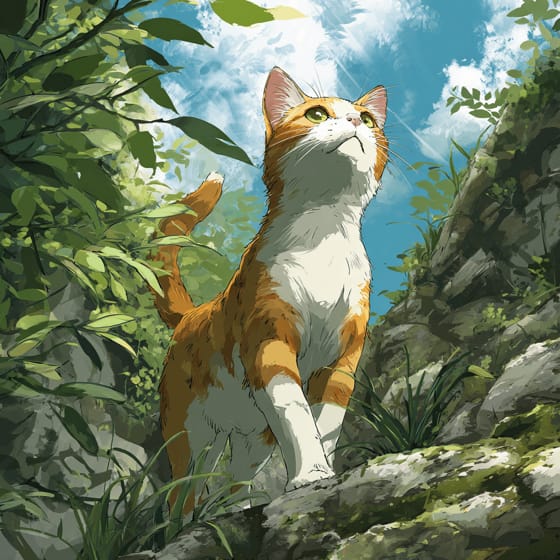
Felis catus
Feral and pet cats are predators of these lizards.
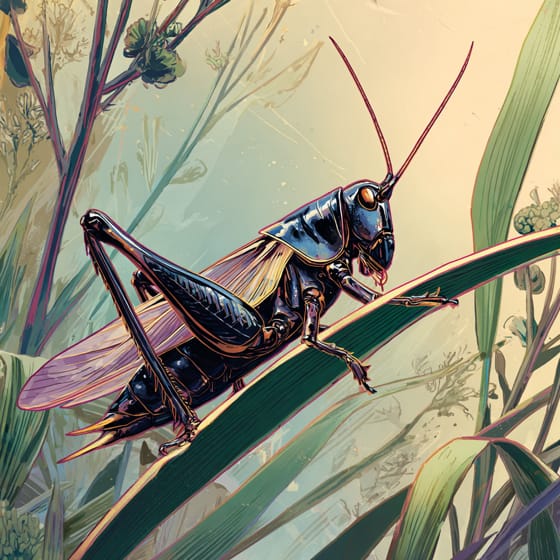
Orthoptera gryllus
They actively hunt and consume various insects.
Acacia longifolia
Feeds on the flowers and fruits of native plants.
Solitary animals live alone for most of their lives, only interacting with others for mating or parental care.
Arboreal animals live primarily in trees, utilizing them for shelter, food, and protection from predators.
Camouflaged describes organisms that possess coloring or patterns that allow them to blend into their environment.
Colorful describes organisms or objects displaying a wide range of bright and distinct colors.

This trait identifies organisms whose diet primarily consists of insects and other small invertebrates.

This habitat trait identifies species found in wetlands, which are areas of land saturated with water, either permanently or seasonally, including marshes, swamps, and bogs.

Diurnal animals are primarily active during daylight hours, typically resting or sleeping at night.

This trait identifies organisms that exhibit exceptional swiftness in movement for hunting, escape, or travel.
Danger
1/5 · Very low
Always watch from a distance and don't try to touch wild lizards.
The easiest way to identify Physignathus lesueurii is to use the Snappit nature identifier app.
60-100 cm
0.3-1 kg
8-15 years
20 km/h
These omnivores enjoy a varied menu of insects, small animals, fruits, and even flowers.
8 km/h
Wetlands
Zoom in to split clusters and explore where this object has been snapped.
Recent snaps will appear here as new observations are added.
Take the discovery with you
Snap it with Snappit to identify it, learn what makes it special, and add the discovery to your collection.












