





pickerelweed
Pontederia cordata
Pickerelweed is a lovely plant that grows in wet areas like ponds and marshes. It has big green leaves and pretty purple flowers that bloom in the summer, making it a favorite for butterflies and bees.
Habitat: Wetlands
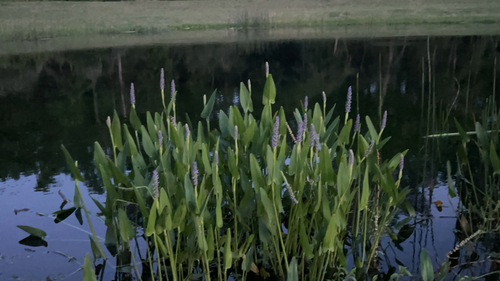
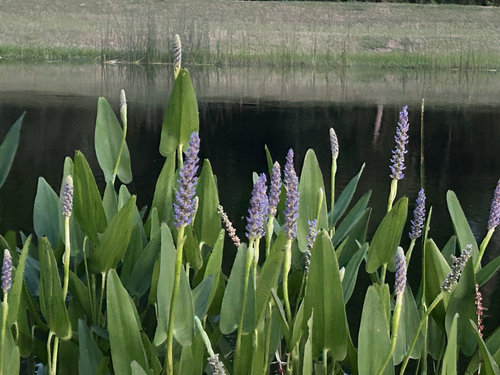
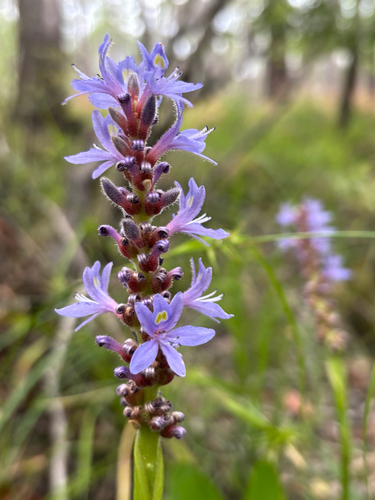
The pickerelweed has glossy, heart-shaped green leaves that stand tall above the water. Its most striking feature is a dense, upright spike of vibrant blue-purple flowers, each with a small, bright yellow spot, creating a showy display in wetlands.
Category
PlantsRarity
Common
Danger
1/5 · Very low
Snaps
45
Its heart-shaped leaves can be 25 cm long, making them easy to spot in water!
Pickerelweed can grow rooted in mud even when water is over 1 meter deep!
Pickerelweed seeds are often eaten by ducks and other wetland birds as a snack!
The bright yellow spot on each tiny flower helps guide bees straight to nectar!
Pickerelweed can absorb excess nutrients from water, helping to keep its aquatic home clean and healthy.
This plant has strong roots that anchor it firmly in muddy lake or pond bottoms, even in moving water.
Its dense stands provide excellent shelter and hiding spots for small fish, frogs, and other aquatic creatures.
Apis mellifera
attracted to its vibrant blue flowers

Ondatra zibethicus
rootstocks and foliage are a food source
Anas platyrhynchos
seeds provide food for waterfowl
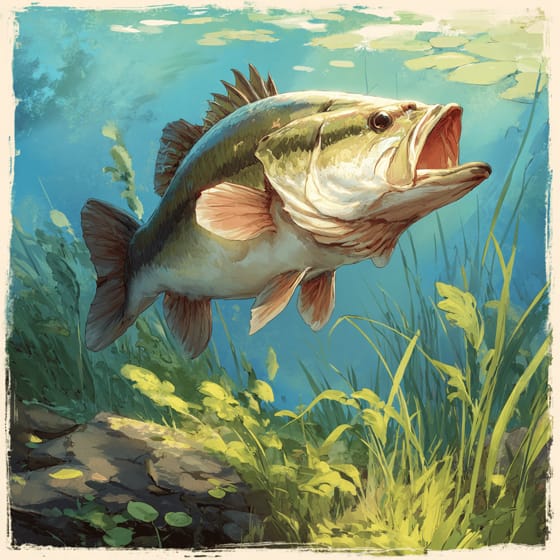
Micropterus salmoides
young fish hide among its stems
Flowering plants are any plants that produce flowers as part of their reproductive cycle.
Summer blooming plants produce their flowers during the summer season, often providing vibrant color when many other plants have finished.
Broadleaf trees are angiosperms characterized by flat, wide leaves that are typically shed annually in temperate climates.
Fragrant flowers emit a pleasant aroma, often to attract pollinators or for defense.

Colorful describes organisms or objects displaying a wide range of bright and distinct colors.

Describes plants that are particularly attractive and beneficial to a wide range of pollinating organisms.

This habitat trait identifies species found in wetlands, which are areas of land saturated with water, either permanently or seasonally, including marshes, swamps, and bogs.

Freshwater habitats include non-saline aquatic environments such as rivers, lakes, ponds, and wetlands, vital for numerous species.

Describes a species whose presence and role have a disproportionately large effect on its environment.

Aquatic habitats encompass environments where organisms live predominantly in water, including oceans, rivers, lakes, and wetlands.
No aliases listed yet.
Danger
1/5 · Very low
Always stay close to an adult when exploring wet areas, as they can be slippery.
The easiest way to identify pickerelweed is to use the Snappit nature identifier app.
30-120 cm
30-60 cm
1-2 cm
Summer, Fall
Yes
None
Perennial
Zoom in to split clusters and explore where this object has been snapped.
May 23, 2026
Mercer Arboretum and Botanic GardensPhoto attribution
no rights reserved
License: CC0 1.0 ↗
Image may be shown cropped inside the card frame.
May 23, 2026
Mercer Arboretum and Botanic GardensPhoto attribution
no rights reserved
License: CC0 1.0 ↗
Image may be shown cropped inside the card frame.
Apr 19, 2026
Dead Lakes ParkPhoto attribution
no rights reserved
License: CC0 1.0 ↗
Image may be shown cropped inside the card frame.

New Jersey, US
You might spot Garlic Mustard, Sensitive Fern, and Common Mugwort.
View guide →

Alabama, US
You might spot Elf Orpine, Canada Goose, and Leatherleaf Mahonia.
View guide →

Virginia, US
You might spot Cope's Gray Tree Frog and Basilica Orbweaver.
View guide →
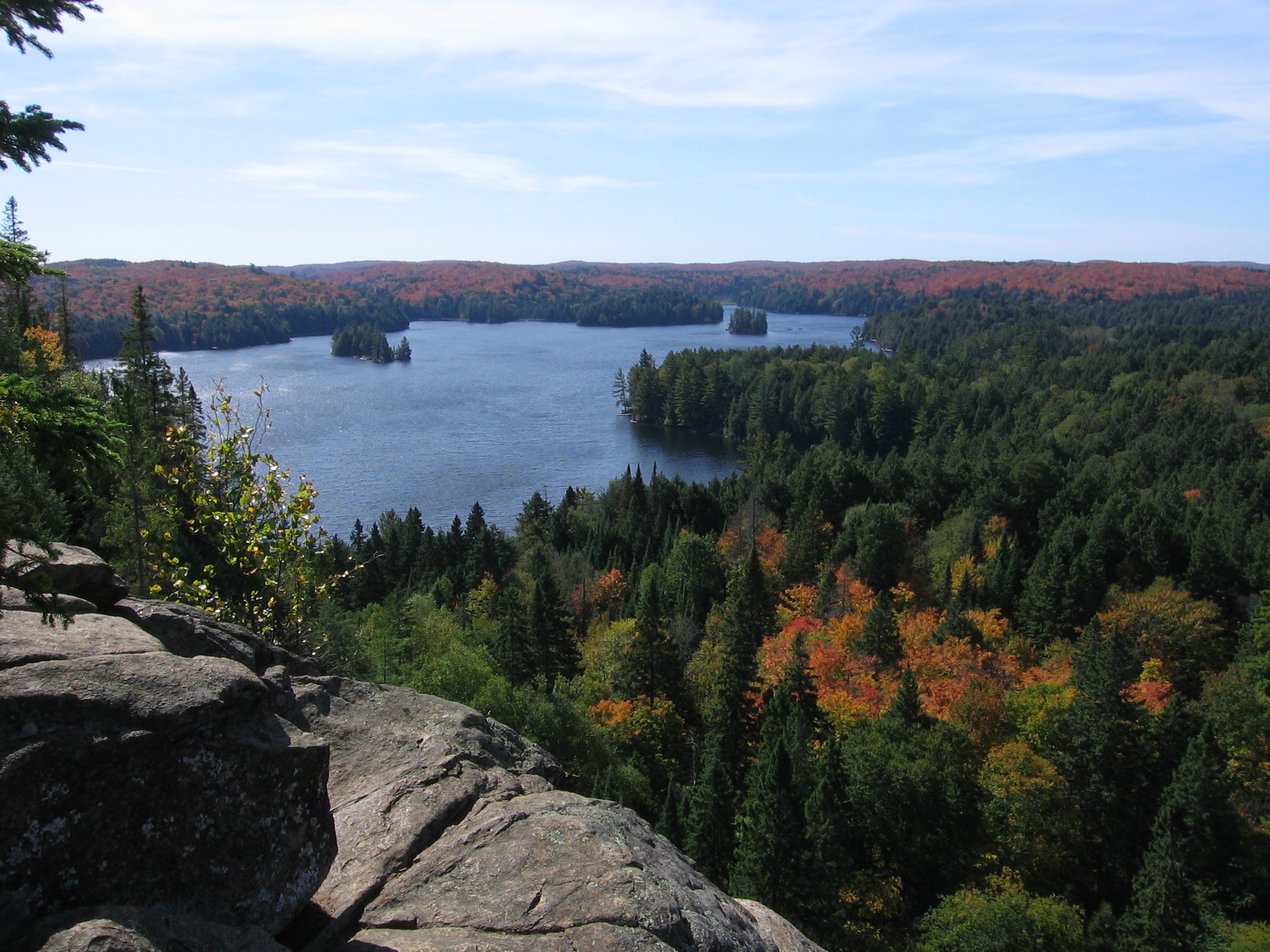
Ontario, CA
You might spot Canada Jay, American Beaver, and Black-Capped Chickadee.
View guide →

Alabama, US
You might spot Anole, Eastern Gray Squirrel, and Asian Lady Beetle.
View guide →
.jpg)
Virginia, US
You might spot Great Blue Heron and Canada Goose.
View guide →
Take the discovery with you
Snap it with Snappit to identify it, learn what makes it special, and add the discovery to your collection.








.jpg&width=800)

_001.jpg&width=800)




