





Pine White
Neophasia menapia
The Pine White is a beautiful butterfly with white wings and black spots. It loves to flutter around pine trees and is often seen in sunny places during the summer.
Habitat: Forests
The Pine White is a medium-sized butterfly, primarily white with distinctive black veins on its forewings, especially near the tips. Its hindwings are also white, sometimes with faint dark markings, and the body is slender and dark. This striking black-and-white pattern easily distinguishes it from other similar white butterflies.
Category
InsectsRarity
Common
Danger
1/5 · Very low
Snaps
Be the first to snap!
A Pine White caterpillar can eat its own weight in pine needles every day!
Pine White wings flutter in a unique, rapid way that's easy to spot!
Their eggs are often laid in neat rows, like tiny pearls on a string!
These butterflies love to drink nectar from wildflowers in sunny clearings!
Pine White can precisely locate pine trees for egg-laying because of specialized chemical sensors that help them identify the right host plant.
Pine White caterpillars have a mottled green-brown pattern and blend into pine needles, helping them hide from hungry birds.
Pine White eggs have a strong adhesive coating that helps them stick firmly to pine needles, preventing them from being dislodged by wind or rain.
As caterpillars, they munch on pine needles; as adults, they sip sweet flower nectar.
Age differences: Larvae (caterpillars) feed exclusively on pine needles, while adult butterflies feed on flower nectar.
Pinus ponderosa
Main host plant for larvae to feed on.
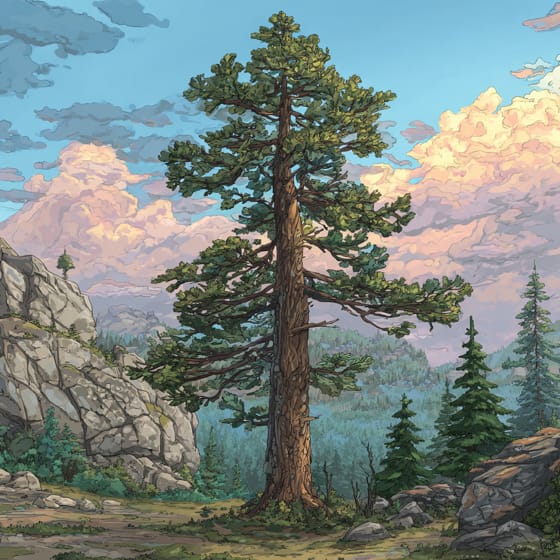
Pinus contorta
Important host plant for caterpillars in many areas.
Aves spp.
Various bird species prey on caterpillars and adults.
Bombus spp.
Adults visit wildflowers, assisting in pollination.
Marked with spots or patches of a different color.
Camouflaged describes organisms that possess coloring or patterns that allow them to blend into their environment.
Colorful describes organisms or objects displaying a wide range of bright and distinct colors.
This trait characterizes organisms whose diet consists entirely or primarily of plant material.

Describes plants that are particularly attractive and beneficial to a wide range of pollinating organisms.

Forest habitats are terrestrial environments dominated by dense tree cover, supporting a high diversity of plant and animal life.

Diurnal animals are primarily active during daylight hours, typically resting or sleeping at night.

Describes organisms that transfer pollen, enabling the fertilization and reproduction of plants.
No aliases listed yet.
Danger
1/5 · Very low
Always watch butterflies from a distance and don't try to catch them.
The easiest way to identify Pine White is to use the Snappit nature identifier app.
40-58 mm
18-25 mm
10-20 days
As caterpillars, they munch on pine needles; as adults, they sip sweet flower nectar.
Forests
Foraging
6
Zoom in to split clusters and explore where this object has been snapped.
Recent snaps will appear here as new observations are added.
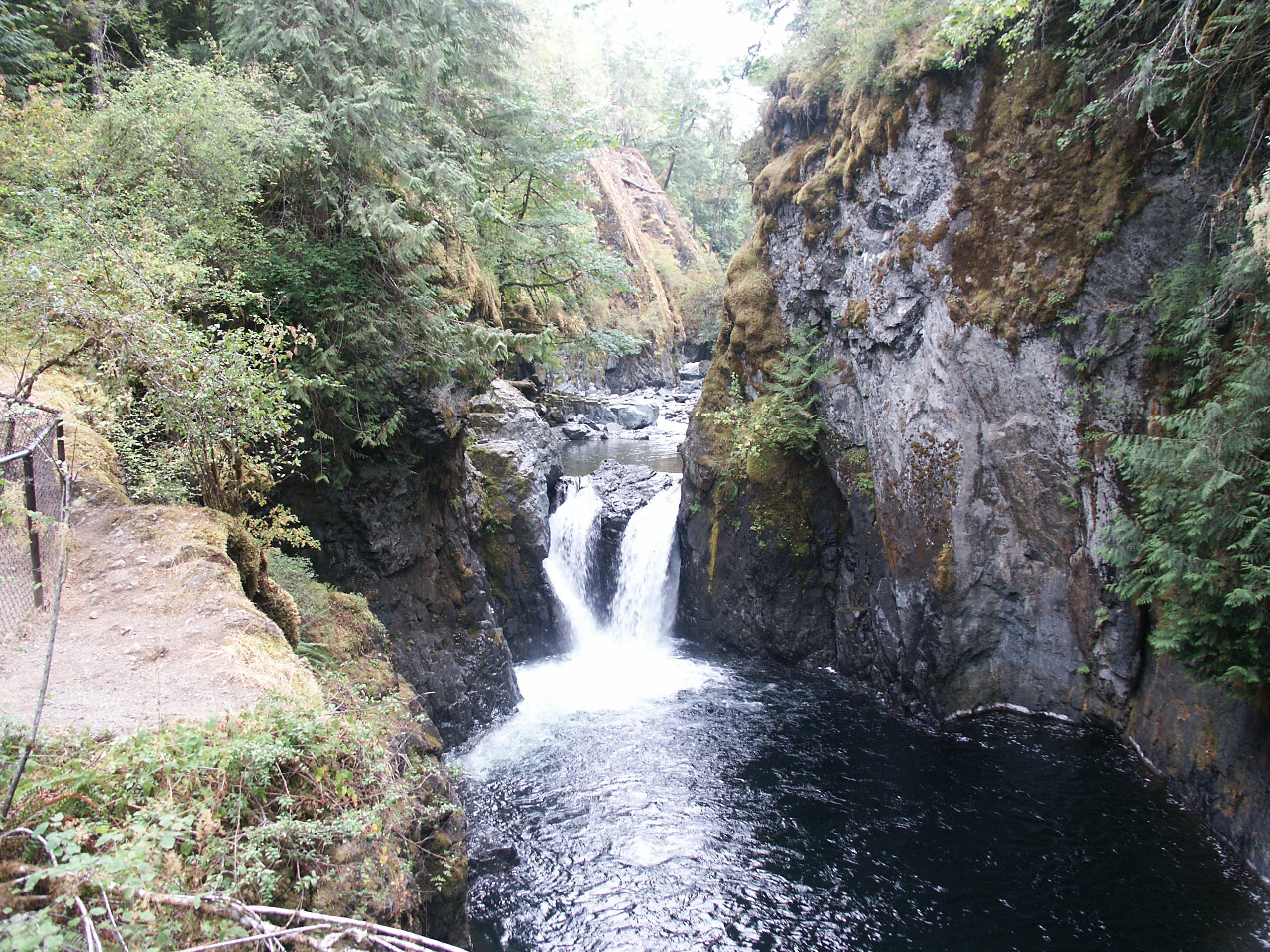
British Columbia, CA
You might spot Vanilla Leaf, Western Maidenhair Fern, and Salal.
View guide →
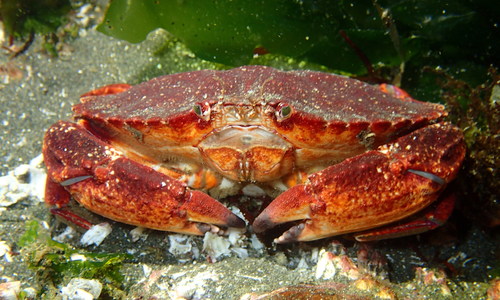
British Columbia, CA
You might spot Red Rock Crab, Dungeness Crab, and Salal.
View guide →

British Columbia, CA
You might spot Salal, Northern Red Belt, and Western Sword Fern.
View guide →
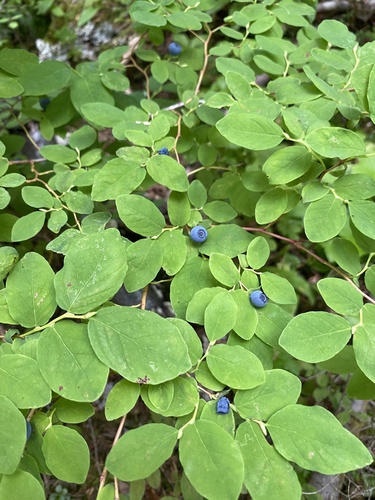
British Columbia, CA
You might spot Oval-Leaf Blueberry and Columbia Lily.
View guide →
California, US
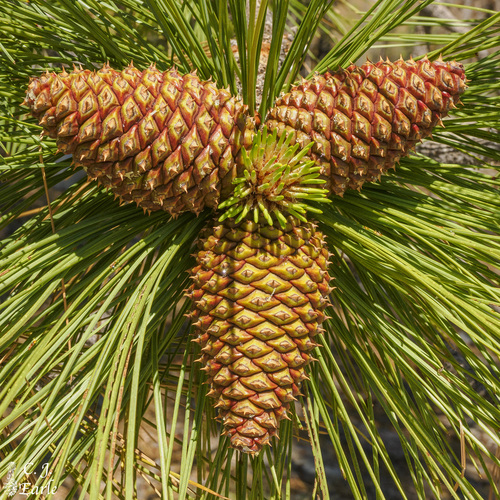
You might spot Jeffrey Pine and Pandora Pinemoth.
View guide →
Take the discovery with you
Snap it with Snappit to identify it, learn what makes it special, and add the discovery to your collection.







.jpg&width=800)


