





pineapple-weed
Matricaria discoidea
Pineapple-weed is a special plant that smells like pineapple when you crush its leaves! It has small, yellow flowers and grows close to the ground. It's often found in sunny places and is fun to spot on nature walks.
Habitat: Urban areas
The pineapple-weed is a low-growing plant with finely divided, feathery green leaves. It has distinctive dome-shaped, yellowish-green flower heads that lack the white ray petals found on many daisy-like flowers, making it look like tiny green buttons.
Category
PlantsRarity
Common
Danger
1/5 · Very low
Snaps
21
Its unique flowers are entirely green-yellow and surprisingly lack any white petals!
This tough plant often pops up in sidewalk cracks or playgrounds where other plants struggle!
When you crush its leaves, it releases a surprisingly sweet, fruity aroma!
You can steep its fresh or dried flowers to make a mild, apple-scented tea.
Pineapple-weed releases a strong, sweet, pineapple-like scent when crushed, which might deter some grazing animals.
Its cone-shaped, petalless flowers are very sturdy and can withstand being stepped on, helping it survive in busy, disturbed areas.
Pineapple-weed can quickly grow in compacted, disturbed soils, helping it colonize new ground where other plants struggle.
Apis mellifera
collects nectar and pollen from its flowers.
Bombus impatiens
visits flowers for nectar and pollen.
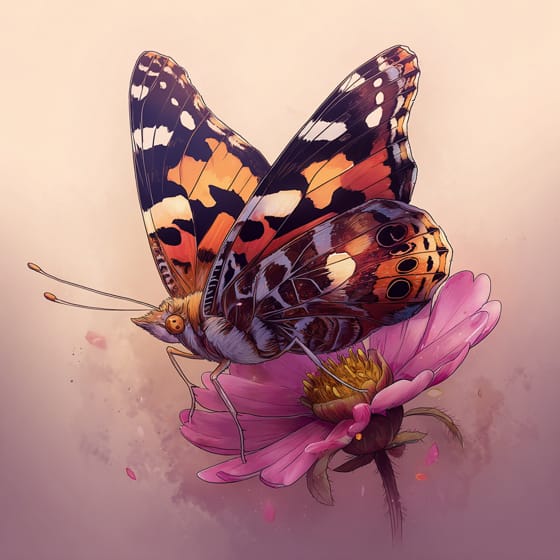
Vanessa cardui
sips nectar from its small blooms.
Aromatic plants produce and emit fragrant volatile organic compounds, often for defense or to attract pollinators.
Flowering plants are any plants that produce flowers as part of their reproductive cycle.
Fragrant flowers emit a pleasant aroma, often to attract pollinators or for defense.
Medicinal plants possess chemical compounds that can be used for therapeutic purposes to treat illnesses or maintain health.

Edible plants are those parts of a plant that are considered safe for human consumption.

Describes plants that are particularly attractive and beneficial to a wide range of pollinating organisms.

This habitat trait indicates species that can coexist with humans in urban and suburban environments, utilizing man-made structures and green spaces.
No aliases listed yet.
Danger
1/5 · Very low
Always check with an adult before touching or picking plants.
The easiest way to identify pineapple-weed is to use the Snappit nature identifier app.
5-30 cm
10-30 cm
0.5-1.5 cm
Late spring to fall
Yes
None
Annual
Zoom in to split clusters and explore where this object has been snapped.

California, US
You might spot Sequoia, California Newt, and Pacific Dogwood.
View guide →

Rhode Island, US
You might spot Common Mugwort, Duck, and Azure Bluet.
View guide →

Rhode Island, US
You might spot Rugosa Rose and American Herring Gull.
View guide →

Illinois, US
You might spot Carolina Mantis and Goldenrod Soldier Beetle.
View guide →

Massachusetts, US
You might spot Common Eastern Bumble Bee and Asian Lady Beetle.
View guide →

California, US
You might spot Great Blue Heron, Western Gull, and Coyote.
View guide →
Take the discovery with you
Snap it with Snappit to identify it, learn what makes it special, and add the discovery to your collection.








.jpg&width=800)


_001.jpg&width=800)



