





Pipestem Clematis
Clematis lasiantha
Pipestem Clematis is a beautiful flower that climbs up trees and fences. It has lovely white blooms that can make gardens look magical during springtime.
Habitat: Forests
The Pipestem Clematis is a climbing woody vine with attractive creamy white to pale yellow flowers. These blossoms stand out with their many prominent, feathery stamens, giving them a unique fluffy appearance against green, compound leaves. It looks like a wild, tangled beauty.
Category
PlantsRarity
Common
Danger
1/5 · Very low
Snaps
Be the first to snap!
Early settlers used its tough stems as rope for pipes, hence "Pipestem"!
Its fluffy white seed heads look like tiny exploding fireworks!
This plant can grow taller than a giraffe's neck if it finds a good spot!
You might spot its fuzzy flowers blooming even in winter's chill!
Pipestem Clematis uses its twisting stems and petioles to latch onto other plants or structures, helping it climb high for sunlight.
Pipestem Clematis produces seeds with long, feathery plumes that catch the wind, helping them travel far to new growing spots.
Pipestem Clematis develops woody stems that become strong and durable, helping it support its growth and resist damage over many years.
Bombus vosnesenskii
Collects nectar and pollen, aiding reproduction.
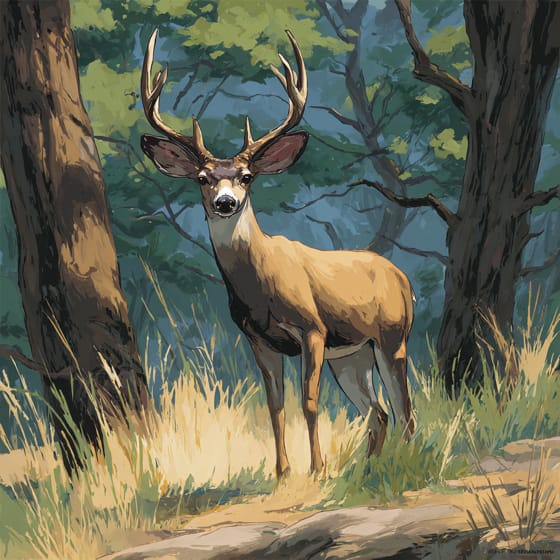
Odocoileus hemionus
Deer browse on its leaves and young shoots.

Quercus agrifolia
Uses oak branches for support, climbing towards sunlight.
Climbing or vine plants are characterized by a growth habit that allows them to ascend upwards by twining, tendrils, or adhesive roots.
Deciduous plants periodically shed all their leaves, typically during autumn or dry seasons.
Flowering plants are any plants that produce flowers as part of their reproductive cycle.
Spring blooming plants produce their flowers during the spring season, often signifying the end of winter and the start of new growth.

Fragrant flowers emit a pleasant aroma, often to attract pollinators or for defense.

Describes plants that are particularly attractive and beneficial to a wide range of pollinating organisms.

Forest habitats are terrestrial environments dominated by dense tree cover, supporting a high diversity of plant and animal life.
No aliases listed yet.
Danger
1/5 · Very low
Always look but don't touch flowers without asking an adult.
The easiest way to identify Pipestem Clematis is to use the Snappit nature identifier app.
300-900 cm
100-300 cm
2.5-5 cm
Late winter to late spring
No
Mild
Perennial
Zoom in to split clusters and explore where this object has been snapped.
Recent snaps will appear here as new observations are added.
Take the discovery with you
Snap it with Snappit to identify it, learn what makes it special, and add the discovery to your collection.






.jpg&width=800)


_001.jpg&width=800)




