.jpg&width=800)





common chickweed
Stellaria media
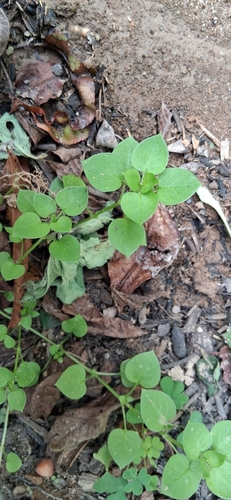
Common chickweed is a small, green plant with tiny white flowers. It grows close to the ground and is often found in gardens and fields, making it a friendly plant to spot while exploring nature.
Habitat: Urban areas
The common chickweed has small, oval, bright green leaves that grow in a sprawling mat. Its tiny white flowers appear to have ten petals, but each of its five true petals is deeply split, creating a star-like shape. It often forms a dense ground cover.
Category
PlantsRarity
Common
Danger
1/5 · Very low
Snaps
6
Chickweed seeds can stay alive in the soil for over 50 years, waiting for the perfect time to sprout!
If you pull up a chickweed plant, it can sometimes re-root and keep growing if even a small piece is left!
Its scientific name, Stellaria, means 'little star,' because its tiny white flowers look like twinkling stars!
People have used chickweed leaves to soothe itchy skin for hundreds of years, like a natural bandage!
Common chickweed can grow incredibly fast and spread quickly to cover ground, helping it find sunlight and space.
Common chickweed has a special ability to grow and even flower in cool weather, sometimes even under snow!
Common chickweed can pollinate itself, ensuring it makes seeds even when no insects are around to help.
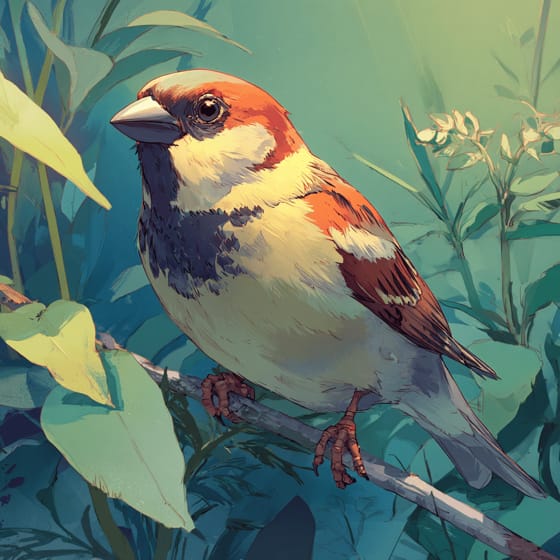
Passer domesticus
birds love its seeds and tender leaves
Apis mellifera
bees visit its tiny flowers for nectar
Arion lusitanicus
slugs munch on its tender leaves
Flowering plants are any plants that produce flowers as part of their reproductive cycle.
Spring blooming plants produce their flowers during the spring season, often signifying the end of winter and the start of new growth.
Medicinal plants possess chemical compounds that can be used for therapeutic purposes to treat illnesses or maintain health.
Edible plants are those parts of a plant that are considered safe for human consumption.

Describes plants that are particularly attractive and beneficial to a wide range of pollinating organisms.

Rapid growing plants exhibit accelerated growth rates, quickly increasing in size and biomass within a short period.

This habitat trait indicates species that can coexist with humans in urban and suburban environments, utilizing man-made structures and green spaces.
No aliases listed yet.
Danger
1/5 · Very low
Always check with an adult before touching or eating any plants.
The easiest way to identify common chickweed is to use the Snappit nature identifier app.
5-50 cm
10-60 cm
0.5-1 cm
Year-round in mild climates, spring-fall elsewhere
Yes
None
Annual
Zoom in to split clusters and explore where this object has been snapped.
Oct 7, 2025
Newbern Historic DistrictPhoto attribution
no rights reserved
License: CC0 1.0 ↗
Image may be shown cropped inside the card frame.

Missouri, US
You might spot Common Eastern Bumble Bee and Brown-Belted Bumble Bee.
View guide →

New York, US
You might spot Dame's Rocket, American Pokeweed, and American Toad.
View guide →

Alabama, US
You might spot Anole, Bee, and Bristle Thistle.
View guide →

Alabama, US
You might spot Anole, Bee, and Bristle Thistle.
View guide →

British Columbia, CA
You might spot Harbor Seal, Evergreen Huckleberry, and Alumroots.
View guide →

Maine, US
You might spot Jack Pine, Lingonberry, and Sheep Laurel.
View guide →
Take the discovery with you
Snap it with Snappit to identify it, learn what makes it special, and add the discovery to your collection.








.jpg&width=800)



_001.jpg&width=800)



