





Grasses
poaceae
Grasses are tall green plants that grow in fields and parks. They provide homes for many tiny creatures and are fun to run and play on!
Habitat: Grasses can be found in fields, meadows, and near roadsides.
The Grasses have slender, jointed stems called culms, typically topped with a feathery or spiky inflorescence. Their long, narrow leaves often grow in sheaths around the stem. They mostly appear in shades of green, forming dense carpets or isolated clumps.
Category
PlantsRarity
Common
Danger
0/5 · No known danger
Snaps
Be the first to snap!
Bamboo is a giant grass, and it's one of the fastest-growing plants in the world!
Grasslands cover about one-quarter of Earth's land, making them huge habitats!
Many of our favorite foods, like wheat, rice, and corn, are actually grass seeds!
The tiny flowers of grass don't need bright colors because wind does their pollinating!
Grasses can spread widely using underground rhizomes or above-ground stolons, helping them colonize large areas and stabilize soil.
Grasses have silica crystals in their leaves, making them tough to chew and helping to deter many hungry herbivores.
Grasses can regrow quickly from their base after being cut or grazed, allowing them to survive constant munching.

Bos taurus
Graze on large quantities for energy.
Microtus pennsylvanicus
Builds tunnels and nests within dense growth.
Puccinia graminis
Causes disease, weakening grass plants.
Social animals live in organized groups, cooperating for survival benefits such as foraging, defense, and raising offspring.
Colorful describes organisms or objects displaying a wide range of bright and distinct colors.
Grassland habitats are terrestrial biomes dominated by grasses and herbaceous plants, supporting a variety of grazing animals.
This trait characterizes organisms whose diet consists entirely or primarily of plant material.

Diurnal animals are primarily active during daylight hours, typically resting or sleeping at night.
Danger
0/5 · No known danger
No special safety notes yet.
The easiest way to identify Grasses is to use the Snappit nature identifier app.
5-4000 cm
5-100 cm
0.1-1 cm
Spring-summer
Yes
None
Perennial
Zoom in to split clusters and explore where this object has been snapped.
Recent snaps will appear here as new observations are added.

Washington, US
You might spot Surf Scoter, Horned Grebe, and Salmonberry.
View guide →
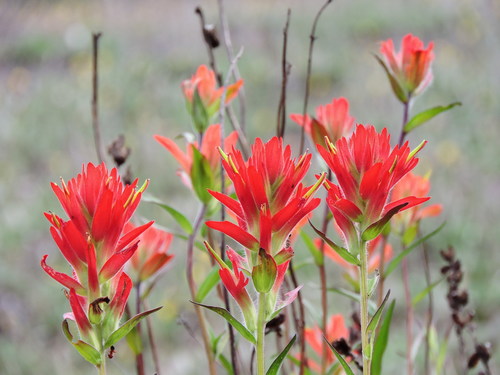
British Columbia, CA
You might spot Giant Red Paintbrush, Lupines, and Broadleaf Arnica.
View guide →
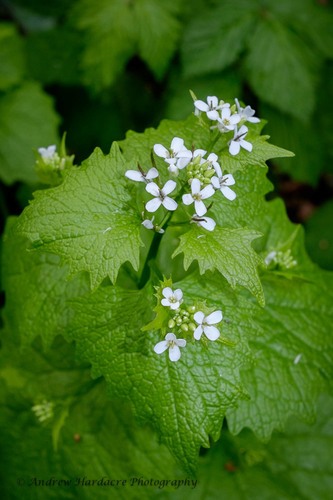
Virginia, US
You might spot Garlic Mustard, Violets, and Wineberry.
View guide →
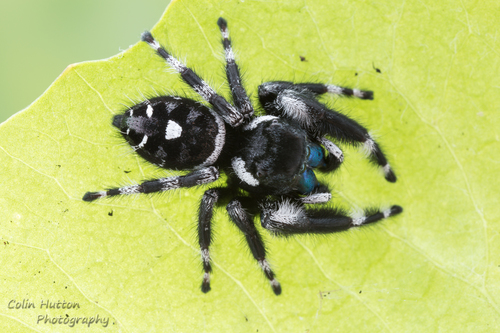
California, US
You might spot Bold Jumping Spider and Marbled Cellar Spider.
View guide →
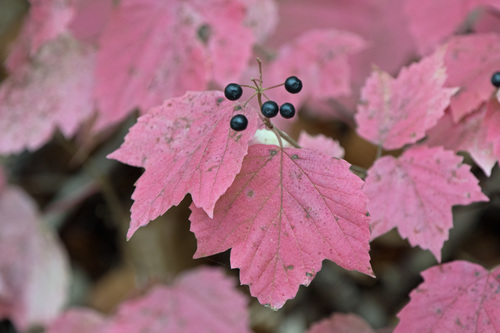
Virginia, US
You might spot Mapleleaf Viburnum, Japanese Holly, and Common Bonnet.
View guide →
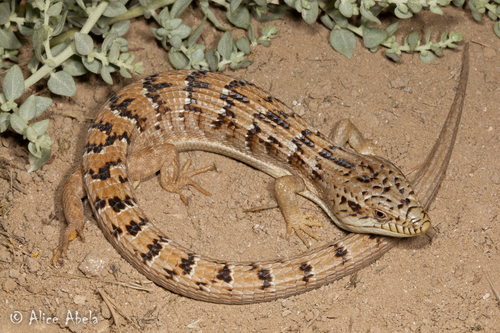
California, US
You might spot Southern Alligator Lizard, Grasses, and Catchweed Bedstraw.
View guide →
Take the discovery with you
Snap it with Snappit to identify it, learn what makes it special, and add the discovery to your collection.









.jpg&width=800)



_001.jpg&width=800)




