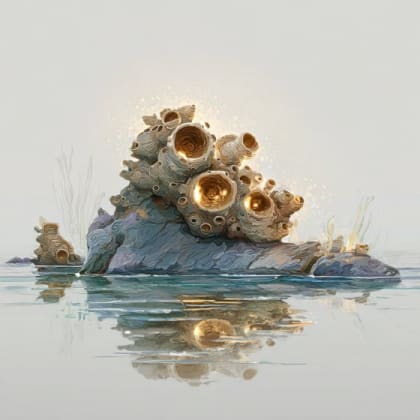
Pismo Clam
tivela stultorum
Pismo clams are fun little creatures that live in the sand at the beach! They can dig deep into the sand and are often found in groups.
Habitat: Pismo clams live in sandy beaches along the Pacific coast.
The Pismo Clam has a thick, smooth, triangular shell, typically creamy white to light brown. Its surface often shows faint radiating dark lines, distinguishing it from thinner, rounder clams.
Category
InvertebrateRarity
Common
Danger
1/5 · Very low
Snaps
1
Each ring on a Pismo clam's shell shows its age, just like tree rings do!
Indigenous peoples once collected Pismo clams by the thousands for food.
Laws were made in the 1900s to protect Pismo clams from over-collection.
They are named after Pismo Beach, California, where they were once extremely abundant!
Pismo Clam can rapidly burrow into wet sand using its strong muscular foot, which helps them hide from predators and rough waves.
Pismo Clam has two siphons that filter tiny food particles from the water, helping them eat and keep the ocean clear.
Pismo Clam has an incredibly thick, hard shell that provides excellent protection from crushing predators and strong currents.
Pismo Clams are ocean vacuum cleaners, sucking in water to filter out tiny bits of food!

Enhydra lutris
Crack open their shells for a tasty meal.
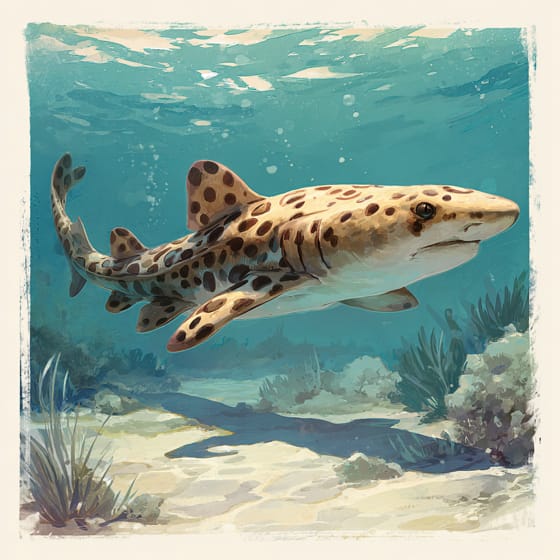
Triakis semifasciata
Crushes clam shells with its blunt teeth.
Pisaster ochraceus
Pulls open shells with its powerful arms.
Burrowing animals dig tunnels and chambers in the ground, using these subterranean structures for shelter, hunting, or breeding.
Filter feeders obtain nutrients by straining suspended food particles and small organisms from water.
Marine habitats encompass all saltwater environments of the Earth's oceans, supporting an immense diversity of aquatic life.
Danger
1/5 · Very low
Be careful when digging in the sand to avoid harming the clams!
The easiest way to identify Pismo Clam is to use the Snappit nature identifier app.
12 cm
250 g
35 years
Pismo Clams are ocean vacuum cleaners, sucking in water to filter out tiny bits of food!
Pismo clams live in sandy beaches along the Pacific coast.
Filter Feeding
Zoom in to split clusters and explore where this object has been snapped.
Take the discovery with you
Snap it with Snappit to identify it, learn what makes it special, and add the discovery to your collection.






.jpg)