Pink Papershell
Potamilus ohiensis
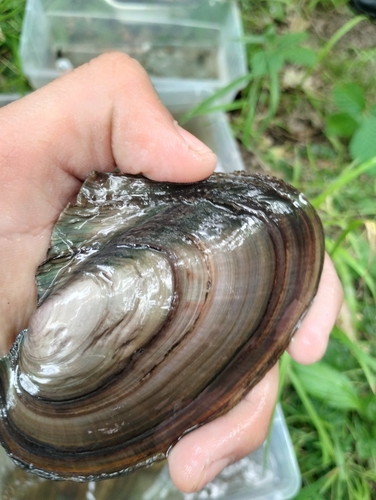
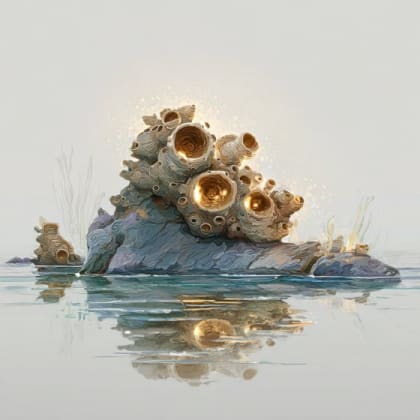
The Pink Papershell is a special freshwater mussel with a beautiful pink shell. These little creatures help keep rivers clean by filtering water and are important for their homes in rivers and lakes.
Habitat: Freshwater rivers and lakes
The Pink Papershell has a delicate, oval shell that is smooth and thin, often appearing pale pink or yellowish. Its fragile nature and subtle color distinguish it from many other freshwater mussels.
Category
InvertebrateRarity
Common
Danger
1/5 · Very low
Snaps
2
Its larvae are so tiny, they're like invisible hitchhikers on fish!
Some shells have beautiful iridescent mother-of-pearl on the inside.
They help create tiny habitats for bugs living on the river bottom.
This mussel is a 'living filter,' helping keep rivers healthy for other animals!
Pink Papershell can filter water through its siphons, removing tiny particles and cleaning its environment.
Pink Papershell's larvae (glochidia) attach to fish gills, allowing them to travel far upstream or downstream.
Pink Papershell has a strong muscular foot that helps it slowly burrow into the soft riverbed for safety.
Eats tiny bits of food filtered from the water.

Procyon lotor
They dig mussels from shallow water at night.
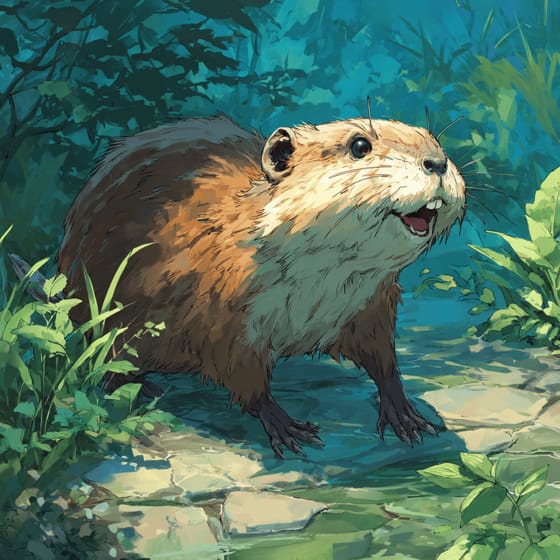
Ondatra zibethicus
Muskrats are skilled at opening mussel shells.
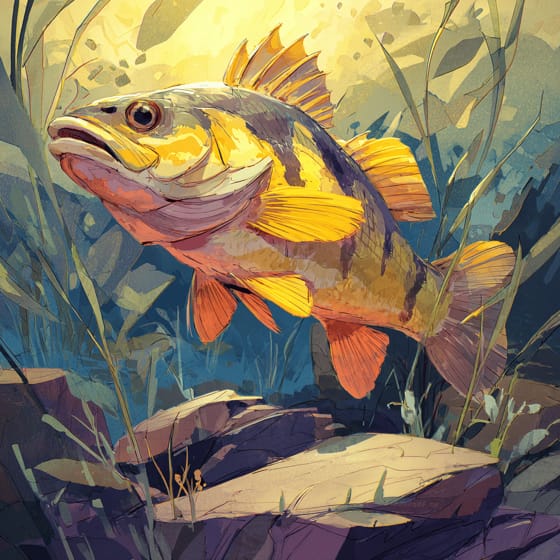
Perca flavescens
Its young (glochidia) temporarily attach to the gills of this fish.
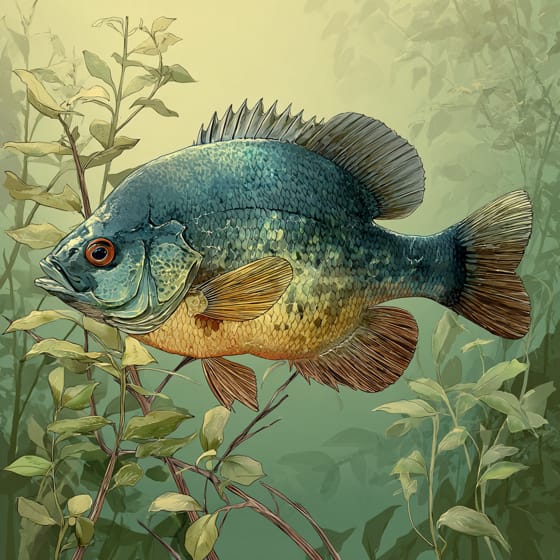
Lepomis macrochirus
The mussel's larvae use Bluegill as a temporary host to develop.
Solitary animals live alone for most of their lives, only interacting with others for mating or parental care.
Colorful describes organisms or objects displaying a wide range of bright and distinct colors.
Filter feeders obtain nutrients by straining suspended food particles and small organisms from water.
This trait characterizes organisms whose diet consists entirely or primarily of plant material.

This trait characterizes organisms with an exceptionally long lifespan compared to others of their kind.

Freshwater habitats include non-saline aquatic environments such as rivers, lakes, ponds, and wetlands, vital for numerous species.

Describes a species whose presence and role have a disproportionately large effect on its environment.

Endangered status indicates a species is at a very high risk of extinction in the wild in the near future.
No aliases listed yet.
Danger
1/5 · Very low
Be careful near water and always ask an adult before touching anything in the river.
The easiest way to identify Pink Papershell is to use the Snappit nature identifier app.
8 cm
75 g
15 years
Eats tiny bits of food filtered from the water.
Freshwater rivers and lakes
Filter Feeding
Zoom in to split clusters and explore where this object has been snapped.
Jun 3, 2026
Robert Allerton ParkPhoto attribution
no rights reserved
License: CC0 1.0 ↗
Image may be shown cropped inside the card frame.
Take the discovery with you
Snap it with Snappit to identify it, learn what makes it special, and add the discovery to your collection.